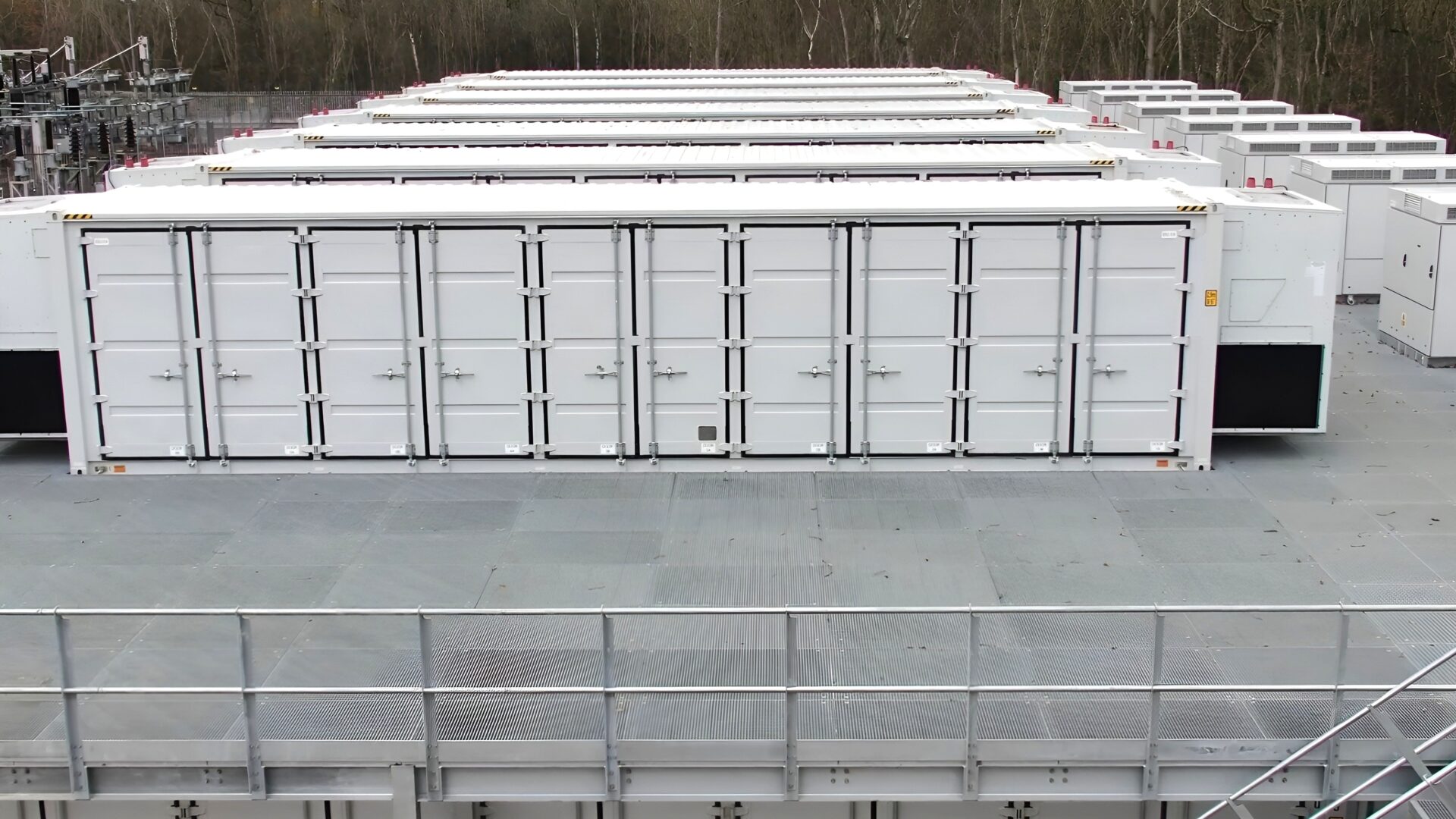






Drax has signed an agreement with Apatura Limited (“Apatura”) to acquire three battery energy storage system (“BESS”) projects, which when fully commissioned will provide capacity totalling 260MW.
Alongside our high-quality hydro, OCGT and biomass assets, they will help us keep the lights on for millions of households throughout the country, no matter the weather
Combined, the sites can store and provide 260MW of secure power for up to two continuous hours. These batteries are charged during periods of low electricity demand, or when intermittent renewable power is cheap. The energy they store can then be dispersed within a second when demand is high supporting UK energy security.
Construction on all three sites is expected to commence in 2026 with the first site operational in 2027. Two assets are in Scotland, East Kilbride and Neilston, and one is in England at Marfleet.
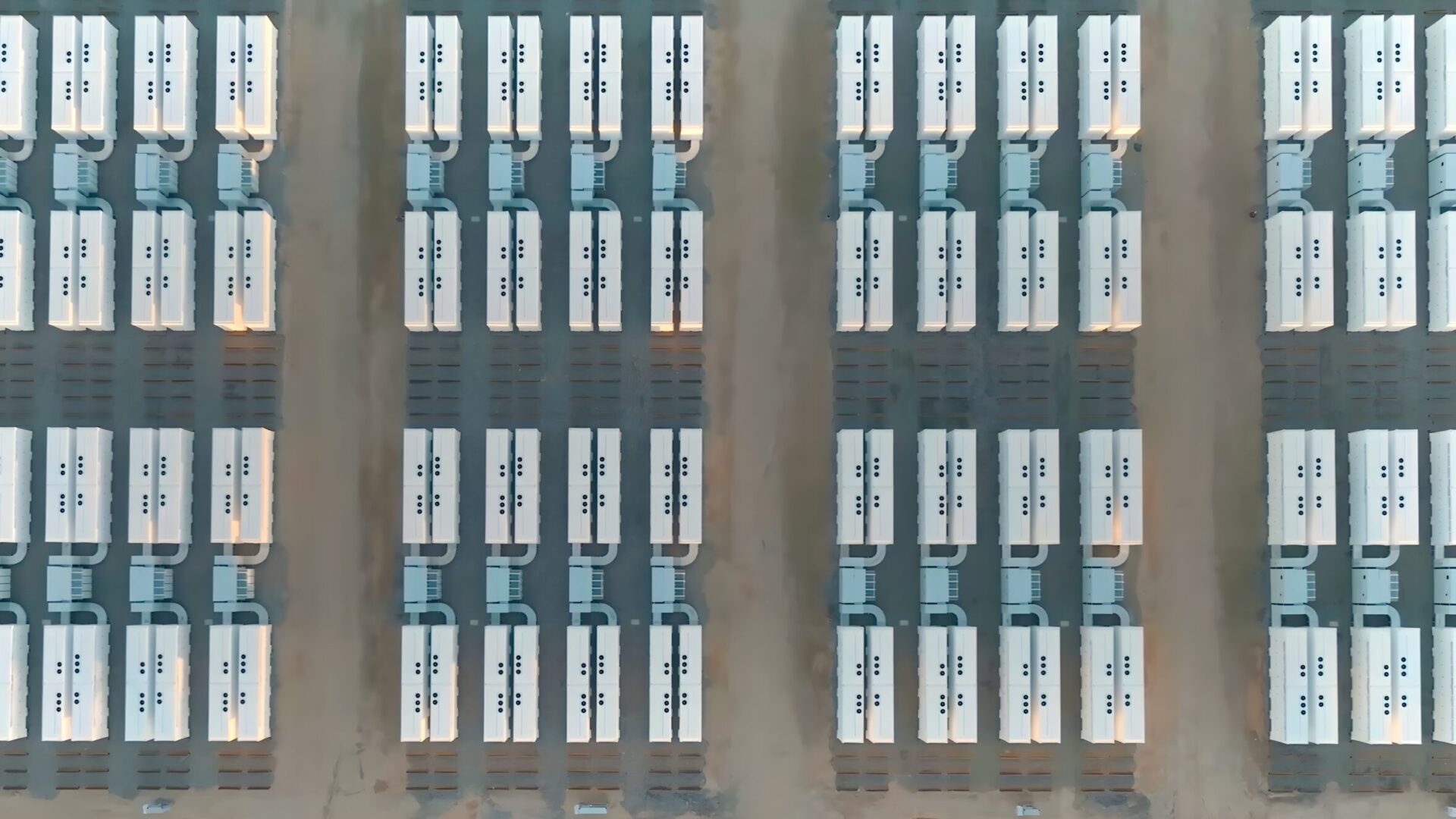
How does BESS work?
- When there is excess power from intermittent renewables, like solar and wind, or low demand BESS sites enable that energy to be stored and then released when it is needed most.
- Each of the plants that Drax has acquired have sufficient storage capacity to provide their nameplate level of MWs for up to two hours.
Why does the UK’s grid need BESS?
- Intermittent generation is forecast to significantly increase to meet the Government’s Clear Power 2030 target.
- The percentage of non-dispatchable energy on the system could rise from under 50% today to above 80% in 2030.
- This means the demand for flexible energy storage assets like BESS and PSH will likely become more acute, as they can store and supply power when there is low wind and solar generation or high electricity demand.
- To help manage this the Government is targeting 23-27GW of battery storage capacity by 2030, up from 4.5GW today.
Where do these sites get their power from?
- The sites take power from the grid when there is an excess of it or it is cheap.
- Excess power generation is driven primarily by intermittent renewables, such as wind or solar.
- Without sufficient BESS or other renewable storage facilities this power would be wasted or intermittent renewable producers can be paid by the system operator to shut down their wind farms.
Where are these sites located?
- These three sites are located in:
| East Kilbride |
| Marfleet |
| Neilston |
How much power do they each store and disperse?
- The total capacity of these sites is 260MW. But the amount of electricity each site can store and deploy varies.
- Nameplate capacity:
| East Kilbride | 50MW |
| Marfleet | 60MW |
| Neilston | 150MW |
What duration do they last for?
- Each site’s batteries can provide continuous power for two hours.