
Tag: forestry and forest management and arboriculture

Building fire resilience with forest management in British Columbia

Key takeaways:

  • Across the globe, wildfires are increasing in size and frequency, driven by the effects of climate change.
  • In places like British Columbia, surging wildfires have meant that in recent years, some forests have been emitting more carbon than they have been able to absorb.
  • British Columbia can serve as an example for where wildfire mitigation occurs, to reduce the risk of threats to communities and forest ecosystems.
  • An essential step is reducing potential fuel for fires by removing flammable material on the forest floor and dead standing trees. The market for biomass encourages the removal of excess fibre which could become fuel for dangerous wildfires.
  • Collaboration between government, industry and First Nations in British Columbia ensures that forests are managed and protected to remain useful resources for all.

Forest fires are nothing new. Temperate forests throughout the world have evolved with fire over millions of years, and a certain amount of fire is inevitable and necessary to maintain the overall health of many types of forests.

But as global temperatures have increased in recent decades, so have the size and recurrence of wildfires. After Australia saw record heat in the summer of 2020, a series of fires across the continent burned an unprecedented 58,000 square kilometres (km2), an area larger than Costa Rica. While in 2022, Europe saw 7,850 km2 of forest destroyed in a single scorching summer, more than double the amount burned in an average fire season.

In addition to the effects of climate change, catastrophic wildfires have also prevailed in response to widespread fire suppression, when methods were sought to increase the resiliency of landscapes to fire and change forest stand characteristics. This has in turn led to thicker and denser forests, and increased fuel loading.

Prior to fire suppression, wildfires would have burned vast areas. In some cases, lower-intensity, stand-maintaining wildfires would naturally keep the forest understory clear of fuel loads. Fire suppression has instead led to increasing density in the forest understory, and when fire inevitably returns to those forest stands it creates conditions for high-intensity, stand-replacing fire events.
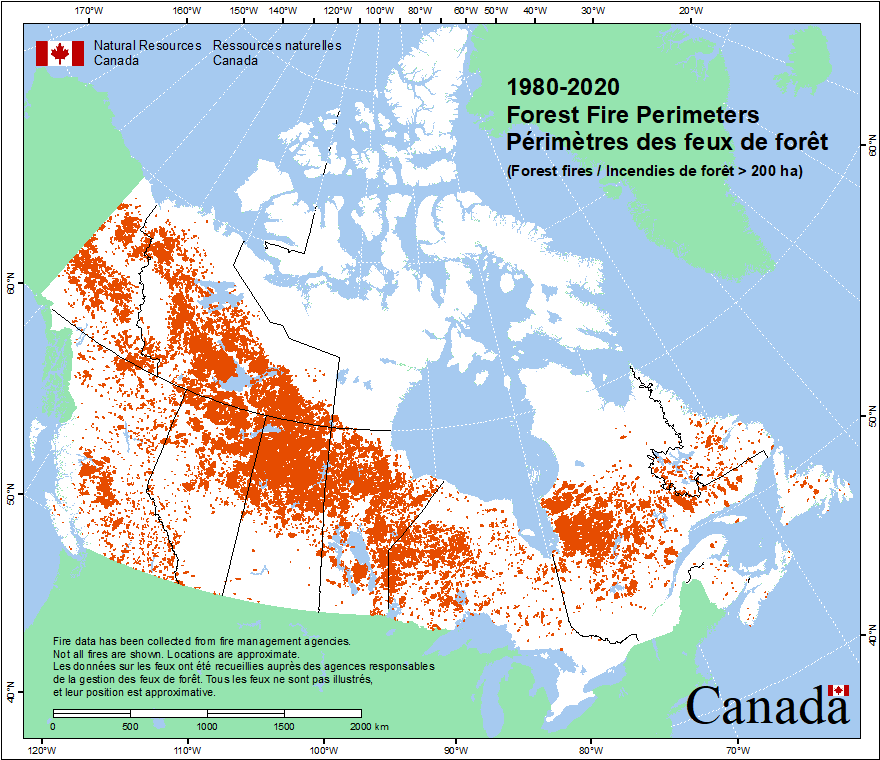
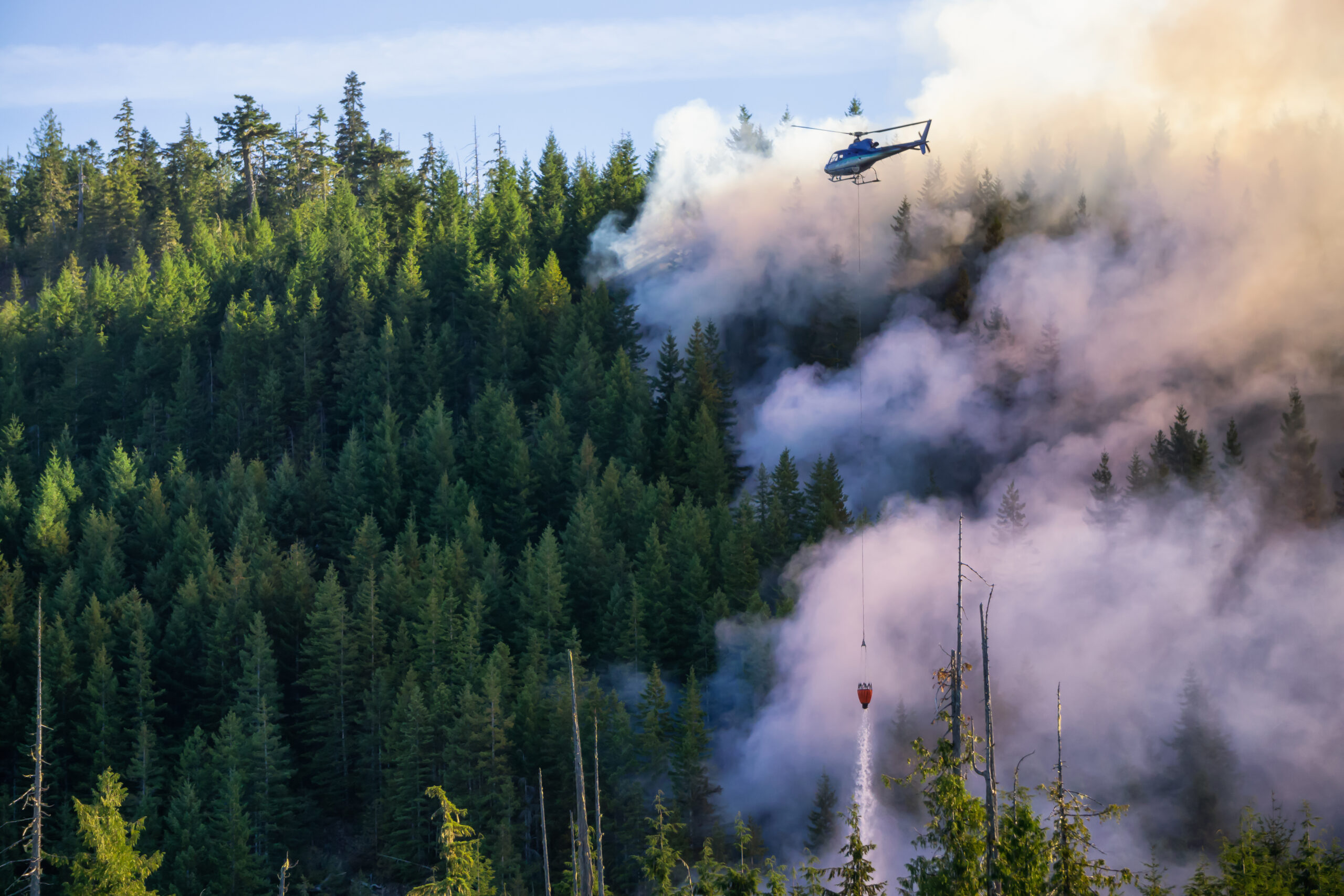
In Canada, British Columbia has not escaped these trends of larger fires.
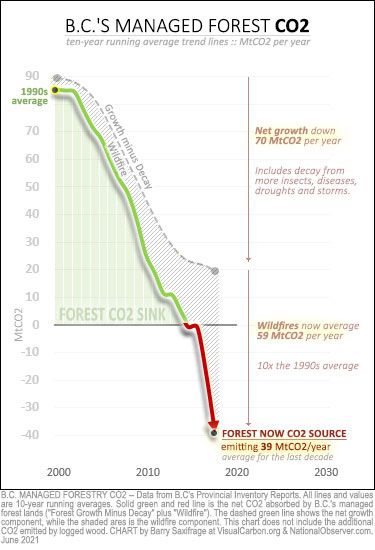
About 64% of the province, more than 60,000 km2, is forested. This makes it particularly vulnerable to wildfire. In 2021 more than 1,600 separate fires burned nearly 8,700 km2 of land in the province, displacing thousands of people from their homes and wildlife from their habitats. Wildfires in the region also now average around 59 MtCO2 of emissions per year, 10x times the 1990s average, meaning that in recent years, British Columbia’s forests have been emitting more carbon than they have been able to absorb, becoming a source of CO2 rather than a sink.

In a region where forests are an important part of life, as well as an essential economic resource for rural communities, protecting forests from intense wildfires, and mitigating the effects, is crucial.

Delivering proactive management against wildfire

Managing forests to make them more resilient to wildfires requires careful management and collaboration between government, industry, communities, and First Nations.

The British Columbian government’s 2022 budget included CA$359 million in new funding to protect British Columbia from wildfires, including CA$145 million over three years to help move the BC Wildfire Service from a reactive to a proactive model. This means year-round work on four pillars of emergency management: prevention and mitigation, preparedness, response, and recovery.

The biomass industry has an important role to play in this work, incentivising fire mitigation and forest management which help protect forests for local communities to use and enjoy, as well as harvesting and regenerating fire-damaged land.

How forest management can protect forests against wildfires

For thousands of years, First Nations used small fires to clear forests, improving habitat for hunting and reducing the chance of large, uncontrollable fires.

While fire may be a natural part of the province’s landscape, active human management can help reduce the damage fires cause One key step is to remove the fuels that cause fires to burn and spread.

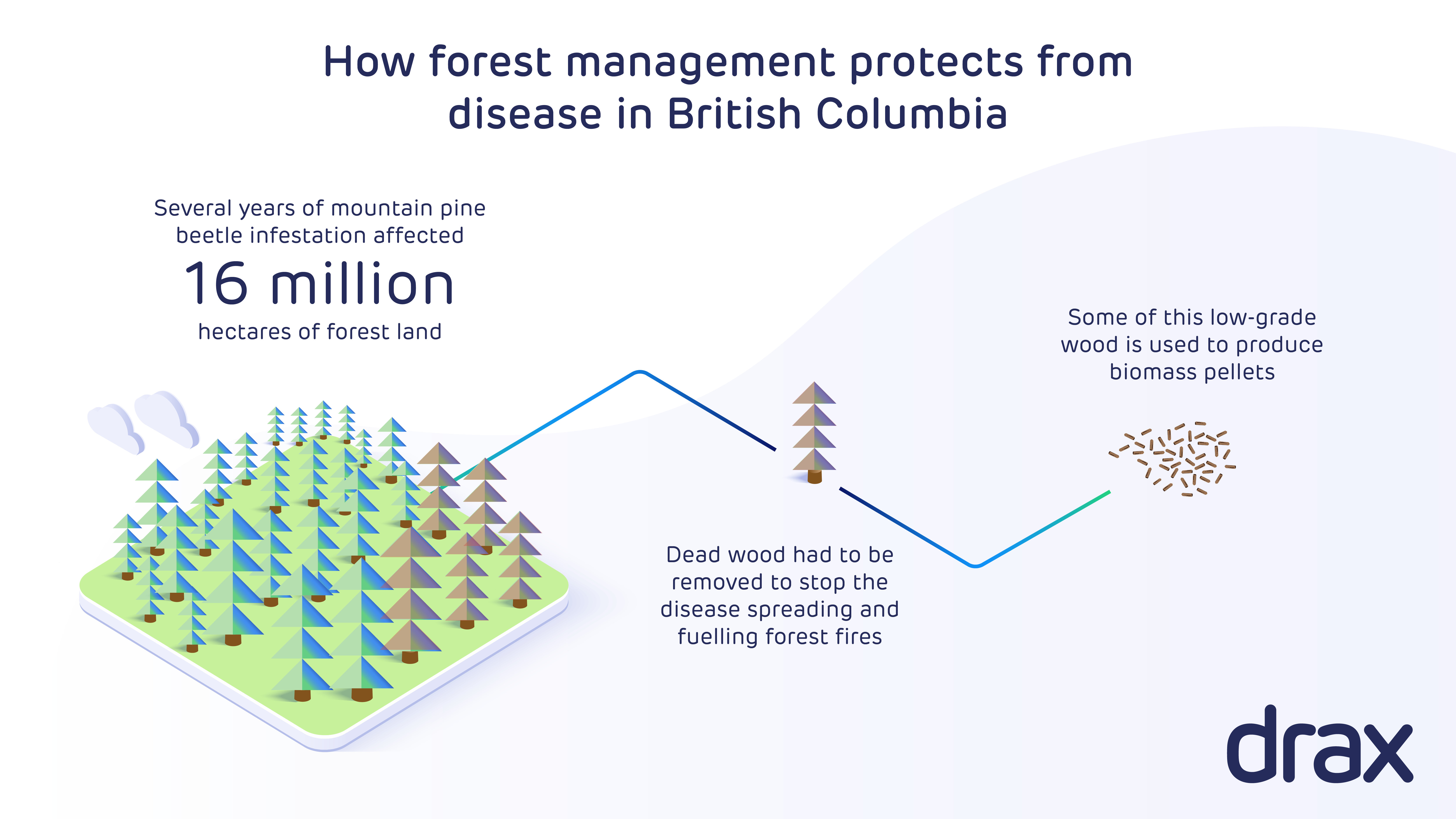
Fuels that feed wildfires consist of any burnable materials found on forest floors, ranging from grasses, dead leaves, and small trees to logs, stumps, and branches. Another fuel source are juvenile seedlings, sometimes called “ladder fuels” which move the forest fire from the ground into the forest canopy which often leads to fires that are much more severe and harder to suppress. Outbreaks of pests, like mountain pine beetle, also contribute to fuel loads, leaving large areas of dead wood.

Material accumulated on the forest floor over time can eventually become a source of what’s called ladder fuel that enables a relatively small fire to reach the forest canopy, burning higher, faster, and farther. These fuel loads, coupled with hotter temperatures and more frequent drought, make today’s fires more likely to burn larger and more intensely than their historic counterparts.
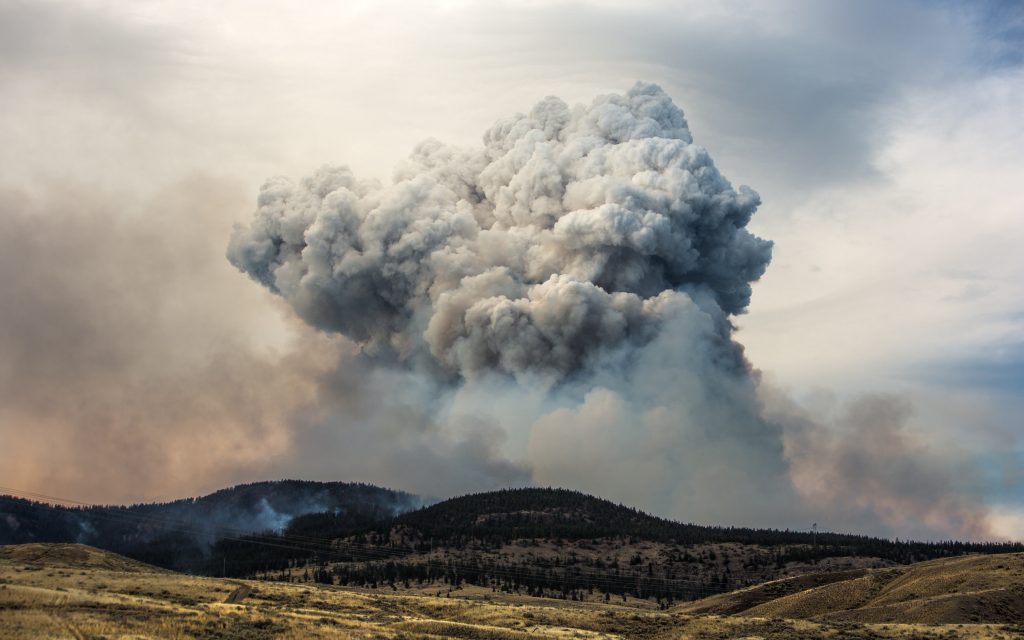
Removing sources of fuel and thinning the density of forest stands are sustainable management practices that can help mitigate the risk of the most damaging types of fires.

“When there’s less fuel to consume, future fire events will be lower in intensity,” says Mike Thomas, Regional Biomass Purchaser for Drax Canada. “And because they’re at low levels of intensity, the existing trees will live through the fire.”

However, removing fuel sources from forests can be expensive and historically has not been a priority for forestry operations focused on producing lumber and solid wood products. This makes biomass an important market, serving as a fibre purchaser for the low-grade wood removed in fire mitigation operations.

“Forest mitigation projects are very labour intensive and can be very expensive,” says Thomas. “The smaller material that we purchase from operators for pellet plants also helps to complete the projects. Without the biomass market, there would be less incentive to carry out these fire mitigation operations.”

Collaboration is key to lowering the amount of fuel in a forest

The type of sustainable forest management practices that reduce fuel loads require effort, know-how, and even the right market conditions. The key to implementing these practices is collaboration, between industry, government, and First Nations.

One example is the joint venture between the Tŝideldel First Nation (TFN) and the Tl’etinqox First Nation. The resulting company, called Central Chilcotin Rehabilitation (CCR), is involved in forestry projects, including fire rehabilitation, in the two groups’ traditional territories.
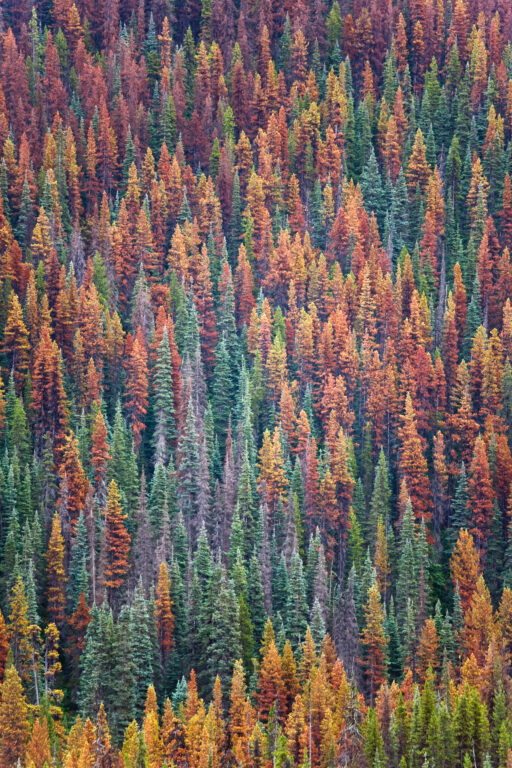
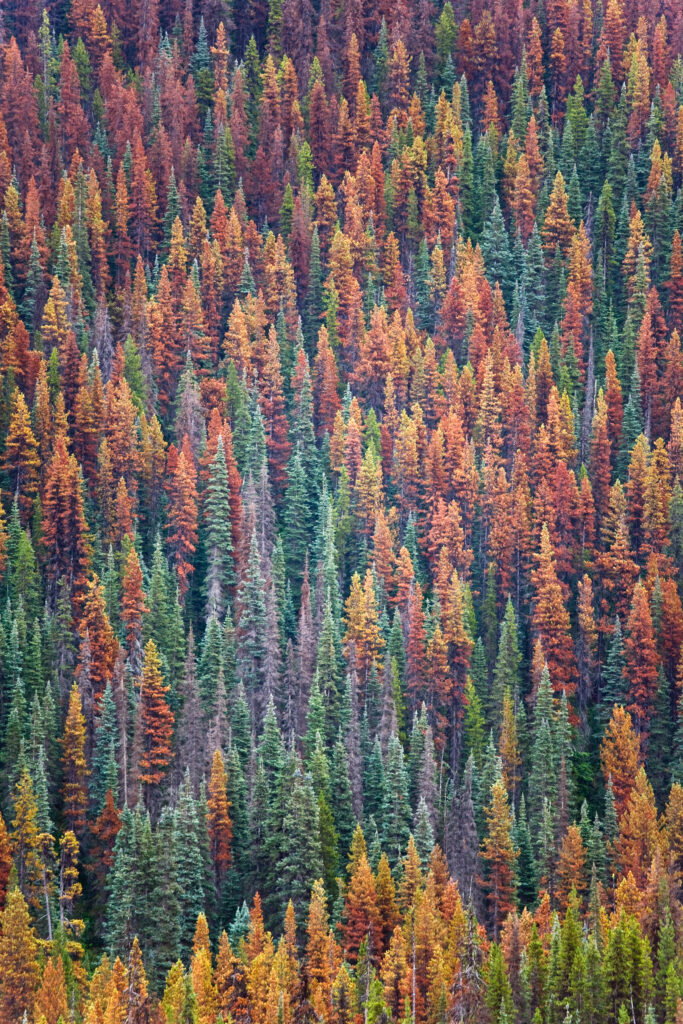
Forest area infected with the mountain pine beetle in British Columbia, Canada

The traditional land of Tŝideldel First Nation is largely lodgepole pine forest, which has been hard hit by mountain pine beetles and subject to frequent burning. In response, the Tŝdeldel have spearheaded several projects to remove dead standing trees and low-grade wood to reduce overall fuel load. Such projects aim to make the damaged landscapes productive, valuable resources once again.

Drax’s partnership with the Tŝideldel provides a crucial market for dead and low-grade wood removed from damaged forests, making it possible to finance forest management operations and reduce the chances of devastating wildfires.

A proactive example for the future

British Columbia offers an example of how smart, proactive forest management can play an important role in reducing the risk of catastrophic fires and making them more resilient to the effects of climate change.

Therefore, by working with the wider forestry sector, the biomass industry can help to facilitate important wildfire mitigation projects, ensuring forests and communities are protected, and all those who use them can continue to depend on them as a vital resource.
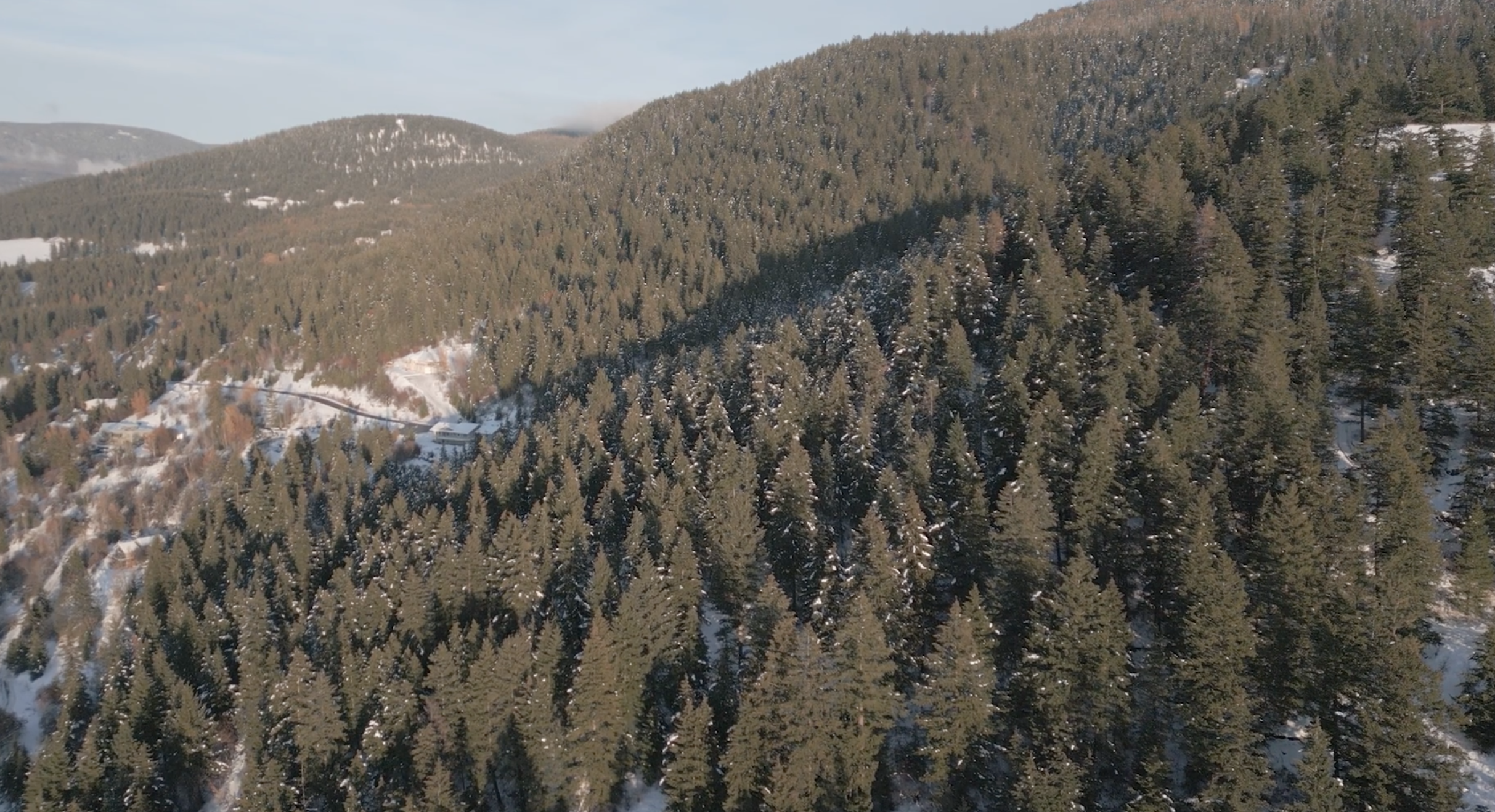
Ensuring British Columbia’s forests offer a sustainable source of fibre takes collaboration and careful management

Diane Nicholls, Vice President of Sustainability for North America, Drax

Key takeaways: 

  • British Columbia is 94% provincial Crown Land, meaning its 55-60 million hectares of forest cover is publicly owned, rather than privately held.  
  • Government legislation and regulation exists detailing what forestry practises can take place, working alongside First Nations, to ensure forests are used for the benefit of all.
  • Sustainable forest management practises offer a source of fibre for forest industries while also protecting forests from disease and wildfire.  
  • Although the biomass pellet industry is relatively new to the province, it offers a use for forest residues that were previously burned or landfilled, and for sawmill residues.  

As a business operating in the Canadian forest industry, we have a responsibility to work collaboratively with local and national governments, communities, and First Nations to ensure British Columbia’s forests are sustainably managed, protected from disease and fire, and preserved for future generations.  

British Columbia is a vast and diverse landscape. The second largest of Canada’s provinces, it contains 14 different bio geoclimatic zones ranging from coastal forest in the west, to alpine meadows on the eastern Rocky Mountains, with bogs, wetlands, and even arid land in between.   

The landscape of British Colombia is home to a wide range of flora and fauna. With roughly 55-60 million hectares (550,000-600,000 km2) of land covered in forest, it is a vital resource. More than 50,000 British Columbians work directly in the forest industry and even as cities like Vancouver and Victoria grow, it remains a central source of social value to rural economies.  
Sharing forests between government and First Nations

British Columbia has a long history of stewardship and sustainable forest management practices. Forestry began in the region in the 1800s with Sitka spruce, harvested predominantly to support ship building. Since then, forestry has become a major part of the province’s economy and the province is a world leader in sustainable forest management and environmental practises. 

As 94% of British Columbia is provincial Crown Land, the government sets the rules and regulations about what forestry practices, or any other natural resource extractions, can take place. Under legislation, any land where forest harvesting occurs must be reforested and it is illegal for a company to deforest British Columbia or Canada.   

For many years, an increasingly important component of the Canadian forestry industry has been the contribution that First Nations are making. There are 204 First Nations across British Columbia each with traditional territories used for cultural and spiritual purposes, as well as day-to-day needs like hunting, fishing, trapping, and housing.  

Many First Nations have their own land use plans that are utilised in forest management planning in the province. First Nations are also consulted and collaborated with by the province on forest management decisions. This creates partnerships between First Nations, industries working in the province’s forests, and governments at the provincial and federal levels. 

Protecting forests from pests and fire

Forest infected with mountain pine beetle in British Columbia

Managing forests is crucial to their longevity and ensuring they remain healthy and useable for future generations. This includes forestry practices to protect them from pests and the growing threat of forest fires.  

In 2017 and 2019 we saw the largest catastrophic fires we’ve ever had in British Columbia. At times it felt like the whole province was on fire. More recently, 2020 was another terrible year. Factors like climate change and storms are increasing the number of fires we see, but the intensity of fires is also exacerbated by debris left on forest floors from relatively recent mountain pine beetle infestations and other insects or diseases affecting forest health.  

 In the 1990’s several relatively warm winters led to the mountain pine beetle becoming endemic, and over the next 15 years millions of hectares of pine forest were lost to the bug. The government increased the allowable annual cut (harvesting levels) to remove the debris of such infestations which become dangerous fire hazards if not removed. 

To protect from fires, pests, and diseases, it’s important to open up forests through managed removals. This process creates more space and less dense stands of trees. It’s also crucial to reduce what’s left lying on the forest floor after forestry operations, while ensuring that the right wood is left to encourage biodiversity, soil health and habitat needs.  

These sustainable management practises are important to help the resilience of the forest and biomass offers a use for much of the wood removed through these practices that is not able to be manufactured into lumber.  

Biomass and the wood industry

Compared to lumber manufacturing, pellet production is relatively new to British Columbia’s forest industry, but it offers a practical use for materials that are unmerchantable or unsuitable for sawlogs. This includes, but is not limited to, forms of forest residues such as low-grade wood, treetops, and branches that are left behind from harvesting activities.   

Removing forest residues can provide more growing sites for new seedlings and helps to prevent intense forest fires. Slash and other low-grade wood are often simply burned along roadsides, but pellets offer a way to turn this fibre into a source of renewable energy. 

Forest residues from harvests, like slash and low-grade roundwood, accounted for approximately 8% and 10% of the fibre used in our Canadian pellet plants in the first half of 2022. The rest of the fibre we use comes from sawmill residues, such as wood chips, shavings, and sawdust. 

Drax operates eight pellet mills across British Columbia and two in neighbouring Alberta, but doesn’t own forests or carry out harvesting or wood sorting. Instead, we partner with forest companies that operate sawmills. These companies are awarded forest tenures, which allow them to harvest certain forest areas (which are identified by the provincial government) to produce solid wood products, which lock in carbon for years. In return, we obtain their sawmill residues. The economics of the wood pellet industry means the main driver of harvesting is still demand for high-grade timber.    

Through collaboration with our partners across the province, we help ensure British Columbia’s forests offer resources that benefit local communities and are sustainably managed for future generations.  

Making the grade: The careful process of choosing what wood is right for biomass

Key takeaways:

  • British Columbia’s working forests are owned by the province and managed  to preserve the environment while supporting forestry industries and local communities.
  • When forests are harvested, professional, licensed scalers who are independent of logging companies or sawmills, evaluate the size and quality of wood.
  • The processes and assessments made by scalers are extensive and designed to ensure high quality lumber makes its way to commercial markets.
  • The careful process of grading wood ensures that only low-quality wood, unusable by lumber sectors is used to produce sustainable biomass pellets.

Healthy working forests are full of different species of trees that serve as essential commercial resource to rural communities. Within these forests are different qualities of wood and trees.

The lumber industry, which drives the commercial forestry in British Columbia, only uses high-quality sawlogs that can be processed into lumber and other valuable solid wood products. When forest companies and the provincial government identify areas of forest suitable for management, the materials are professionally, independently sorted, and selected by the logging operator according to specifications set by the sawmill and by merchantability specifications set by government.


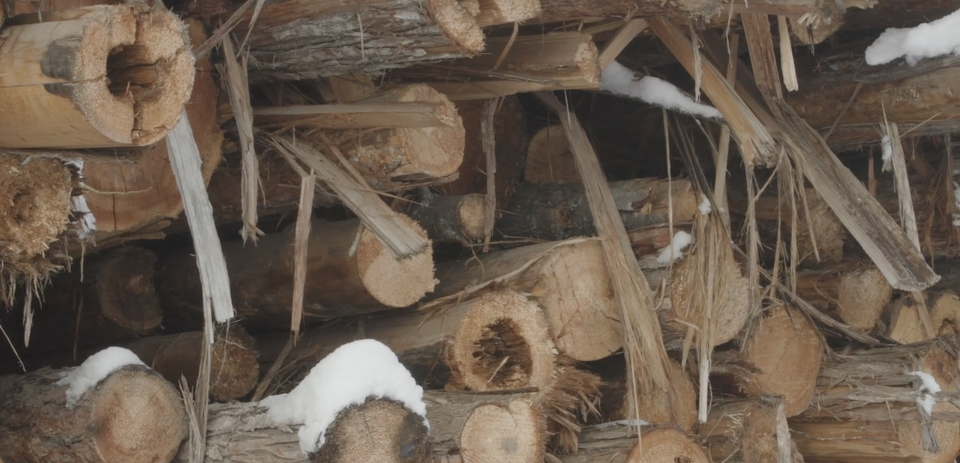
This leaves a range of rejected roundwood trees and other materials that are unsuitable for lumber. Characteristics of rejected material can include undersized logs, rotting in parts, excessive twisting, cracks, large knots, or exposure to damage like fires. But that’s not to say the wood isn’t valuable.

The biomass industry emerged as a way to utilise wood and residues from forestry and sawmill processes. To sort through wood harvests and identify what wood is suitable for lumber, forest companies in British Columbia use a grading system.

The province’s Forest Act outlines that timber harvested from publicly owned Crown must be scaled (measured) and graded. This standardised system means all types of wood are utilised, and the full value of a harvest maximised for lumber and other wood products – ensuring forests remain valuable resources that are replanted and managed for future generations.

Making the grade

The policy of scaling and grading timber has been in action along British Columbia’s coastal forests since as long ago as 1902.  And while log grades have evolved and expanded with changes in wood utilisation and forest practices, today’s grading rules and conventions are very similar to those used more than a century ago. 

Timber scaling and grading can only be carried out by trained, licenced professionals, known as scalers. The processes and assessments they are required to carry out are rigorous and extensive, as outlined in a regularly updated Scaling Manual.

Scalers apply grading rules to determine: the log’s gross dimensions, estimate what portion of the log is available to produce a given product, and consider the quality of the product that could be produced from the log.

It’s the scaler’s job to assess the visible characteristics of each log and determine what can be recovered from the log given its size and quality characteristics. Results in British Columbia are reported in cubic metres, with one cubic metre of timber viewed as a cubic metre of solid wood (known as firmwood), free of any rot, hole, char, or missing wood. It’s then up to the manufacturer to get the best and most valuable product out of the available volume.

Grade rules typically include three components: minimum or maximum dimensions, a requirement that a percentage of the log’s volume must be available to manufacture a given product, a requirement that a percentage of the product manufactured from the log must meet or exceed a given quality.

By developing methods of taking measurements in British Columbia’s coastal and interior regions, meaningful data is generated to understand the health and quality of the province’s diverse forests.

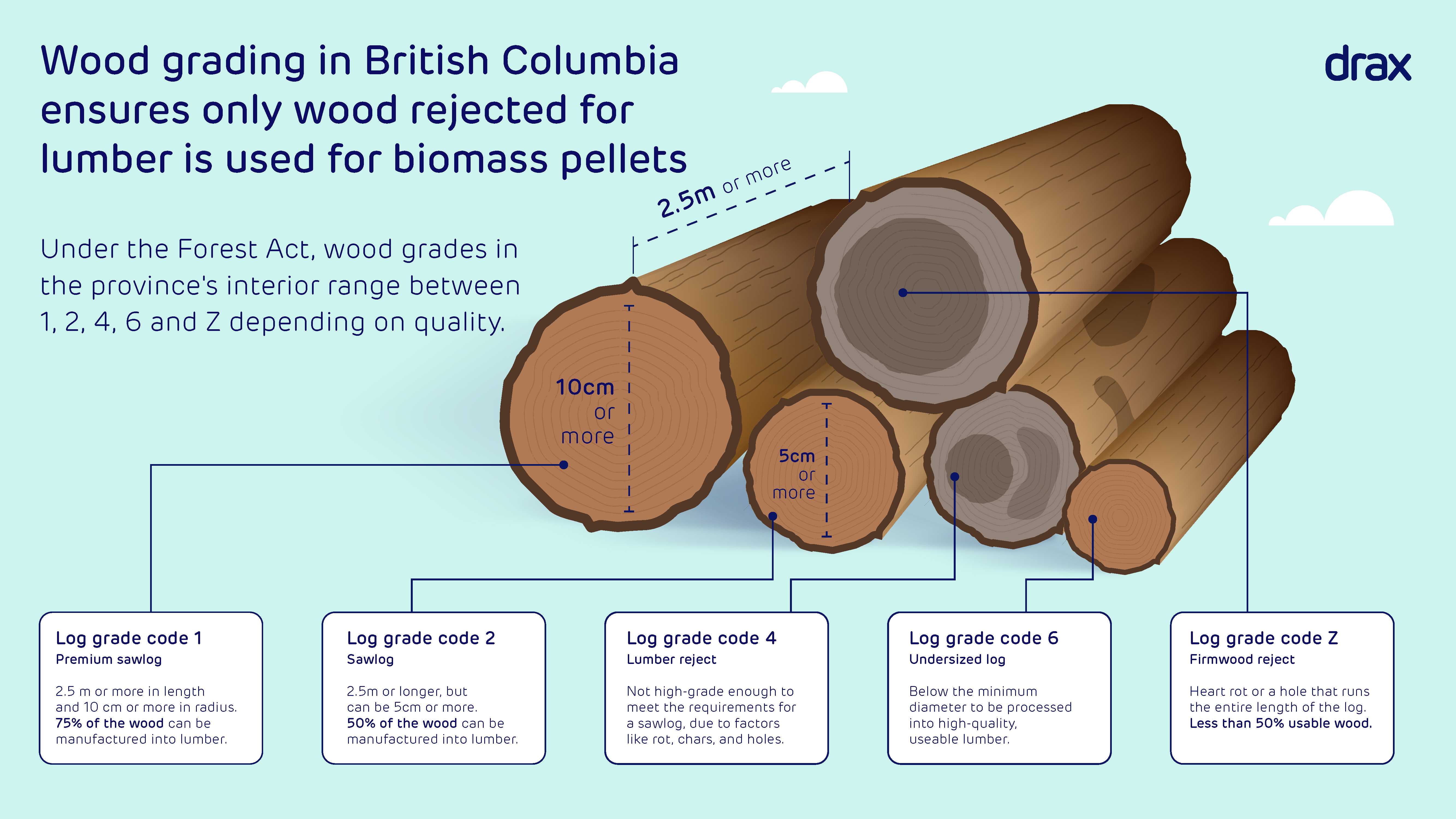
Click to view/download. 

Grade code 1 – Premium sawlogs

The highest-quality and most valuable grade, a grade code 1 log must be 2.5 m or more in length and 10 cm or more in radius. It can also be a slab of wood 2.5 m long and 20 cm wide and 20 cm or more in thickness measured at a right angle to the growth rings.

For species like hemlock, cedar or balsam log or slab, at least 90% of the overall log can be manufactured into lumber, meaning it’s free of rot, chars, or holes, without too many knots or twists.

For other species, at least 75% can be manufactured into lumber. For all species, at least 75% of the lumber will be suitable for sale.

Grade code 2 – Sawlog 

Smaller than premium sawlogs, grade code 2 logs are also 2.5 m or longer but can be only 5 cm wide. Grade code 2 sawlogs can also be made from slabs of wood 2.5 m or more in length and 15 cm wide, with a 15 cm or more thickness measured at a right angle to the growth rings.

In species like hemlock or cedar at least 75% of the wood can be manufactured into lumber, while for a balsam logs, it’s at least 67%. For all other species, at least 50% of overall wood can be manufactured into lumber.

Grade code 4 – Lumber reject

Lumber reject is the grade given to a log or slab that’s higher in grade than firmwood reject, but not high-grade enough to meet the requirements for a sawlog, due to factors like rot, chars, and holes.

The reason there is no grade code 3 or 5 is because they were merged into the lumber reject category as the needs of forestry industries changed.

Grade code 6 – Undersized log

An undersized log is the higher in grade than firmwood reject but cut from a tree which was below the minimum diameter to be processed into high-quality, useable lumber.

Grade code Z – Firmwood reject

The lowest grade of wood, a Grade code Z log is not of a high enough quality to be made into lumber.

A log falls into the firmwood reject category if there is heart rot or a hole that runs the entire length of the log, and any firmwood around the defect makes up less than 50% of the overall log.

A scaler may also grade a log as Z if rot is in the log and they estimate the net length of the log to be less than 1.2 m. Sap rot or charred wood within a log where the residual firmwood is less than 10 cm in diameter at the butt end of the log also makes it Grade code Z.

Portions of healthier logs that are less than 10 cm in diameter or portion of a slab that is less than 10 cm in thickness, are also in this category.

Supporting healthy, resilient forests

Wood that is unsuitable for valuable sawlogs was once seen as a residual of forestry harvest and burned as a means of disposal, emitting CO2, and polluting local air. The biomass market, however, processes low-grade wood into a feedstock for renewable electricity, unlocking the full value of forest resources, as well as enhancing ecosystems.

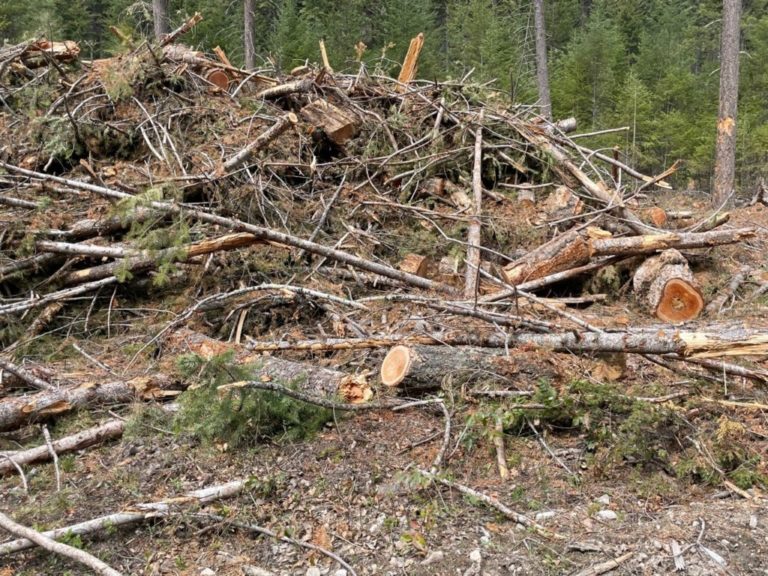
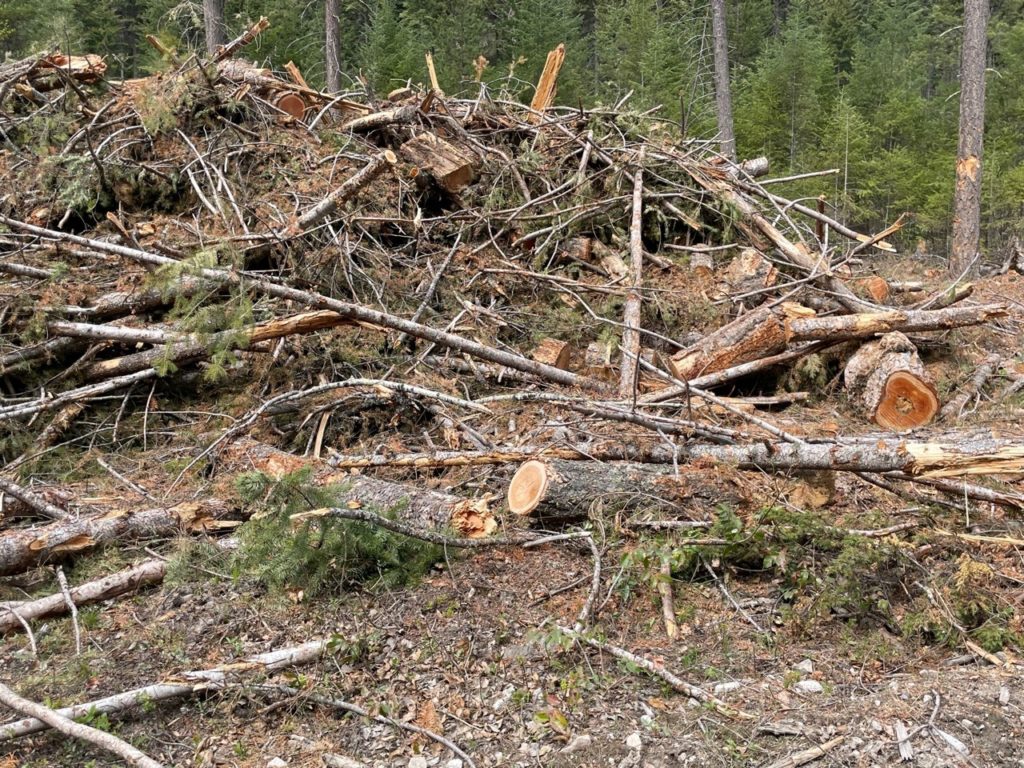
Slash pile in British Columbia

Newly developed forest management practises aimed at mitigating against wildfires, enhancing areas of habitats for wildlife, or restoring fire or diseased-damaged ecosystems, typically generate high volumes of low-grade wood. Without a local biomass market that can purchase and make use of that wood there’s less incentive to carry out these kinds of activities.

As wildfires and pests, like the mountain pine beetle, become increasing threats for Canadian forests and the rural communities who depend on them for work and leisure, the biomass sector’s participation is key to supporting forest management that ensures healthy, resilient forests.

Click to view/download.

The key to sustainable forests? Thinking globally and managing locally

Key takeaways:

  • Working forests, where wood products are harvested, are explicitly managed to balance environmental and economic benefits, while encouraging healthy, growing forests that store carbon, provide habitats for wildlife, and space for recreation.
  • But there is no single management technique. The most effective methods vary depending on local conditions.
  • By employing locally appropriate methods, working forests have grown while supporting essential forestry industries and local economies.
  • Forests in the U.S. South, British Columbia, and Estonia all demonstrate how local management can deliver both environmental and economic wins.

Forests are biological, environmental, and economic powerhouses. Collectively they are home to most of the planet’s terrestrial biodiversity. They are responsible for absorbing 7.6 billion tonnes of carbon dioxide (CO2) equivalent per year, or roughly 1.5 times the amount of CO2 produced by the United States on an annual basis. And working forests, which are actively managed to generate revenue from wood products industries, are important drivers for the global economy, employing over 13 million people worldwide and generating $600 billion annually.

But as important as forests are globally, the key to maximizing working forests’ potential lies in smart, active forest management. While 420 million hectares of forest have been lost since 1990 through conversion to other land uses such as for agriculture, many working forests are actually growing both larger and healthier due to science-based management practices.

The best practices in working forests balance economic, social, and environmental benefits. But just as importantly, they are tailored to local conditions and framed by appropriate regional regulations, guidance, and best-practice.

The following describes how three different regions, from which Drax sources its biomass, manage their forests for a sustainable future.

British Columbia: Managing locally for global climate change

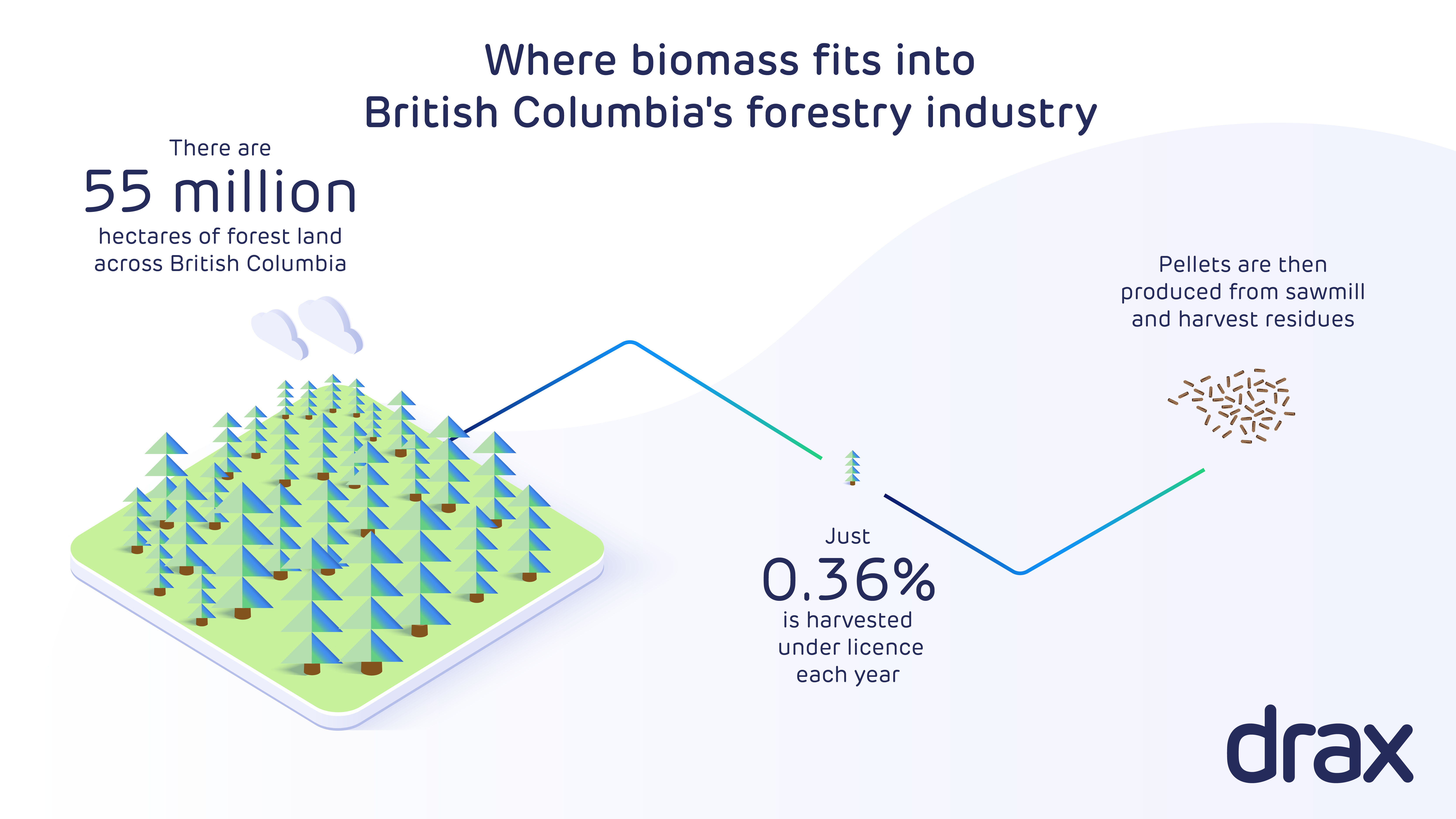
British Columbia is blanketed by almost 60 million hectares of forest – an area larger than France and Germany combined. Over 90% of the forest land is owned by Canada’s government, meaning the province’s forests are managed for the benefit of the Canadian people and in collaboration with First Nations.

From the province’s expanse of forested land, less than half a percent (0.36%) is harvested each year, according to government figures. This ensures stable, sustainable forests. However, there’s a need to manage against natural factors.

Click to view/download

In 2017, 2018, and 2020 catastrophic fires ripped through some of British Columbia’s most iconic forest areas, underscoring the threat climate change poses to the area’s natural resources. One response was to increase the removal of stands of trees in the forest, harvesting the large number of dead or dying trees created by pests that have grown more common in a warming climate.

By removing dead trees, diseased trees, and even some healthy trees, forest managers can reduce the amount of potential fuel in the forest, making devastating wildfires less likely. There are also commercial advantages to this strategy. Most of the trees removed are low quality and not suitable for processing into lumber. These trees can, however, still be used commercially to produce biomass wood pellets that offer a renewable alternative to fossil fuels. This means local communities don’t just get safer forests, they get safer forests that support the local economy.

The United States: Thinning for healthier forests

The U.S. South’s forests have expanded rapidly in recent decades, largely due to growth in working forests on private land. Annual forest growth in the region more than doubled from 193 million cubic metres of wood in 1953 to 408 million cubic meters by 2015.

This expansion has occurred thanks to active forest product markets which incentivise forest management investment. In the southern U.S. thinning is critical to managing healthy and productive pine forests.

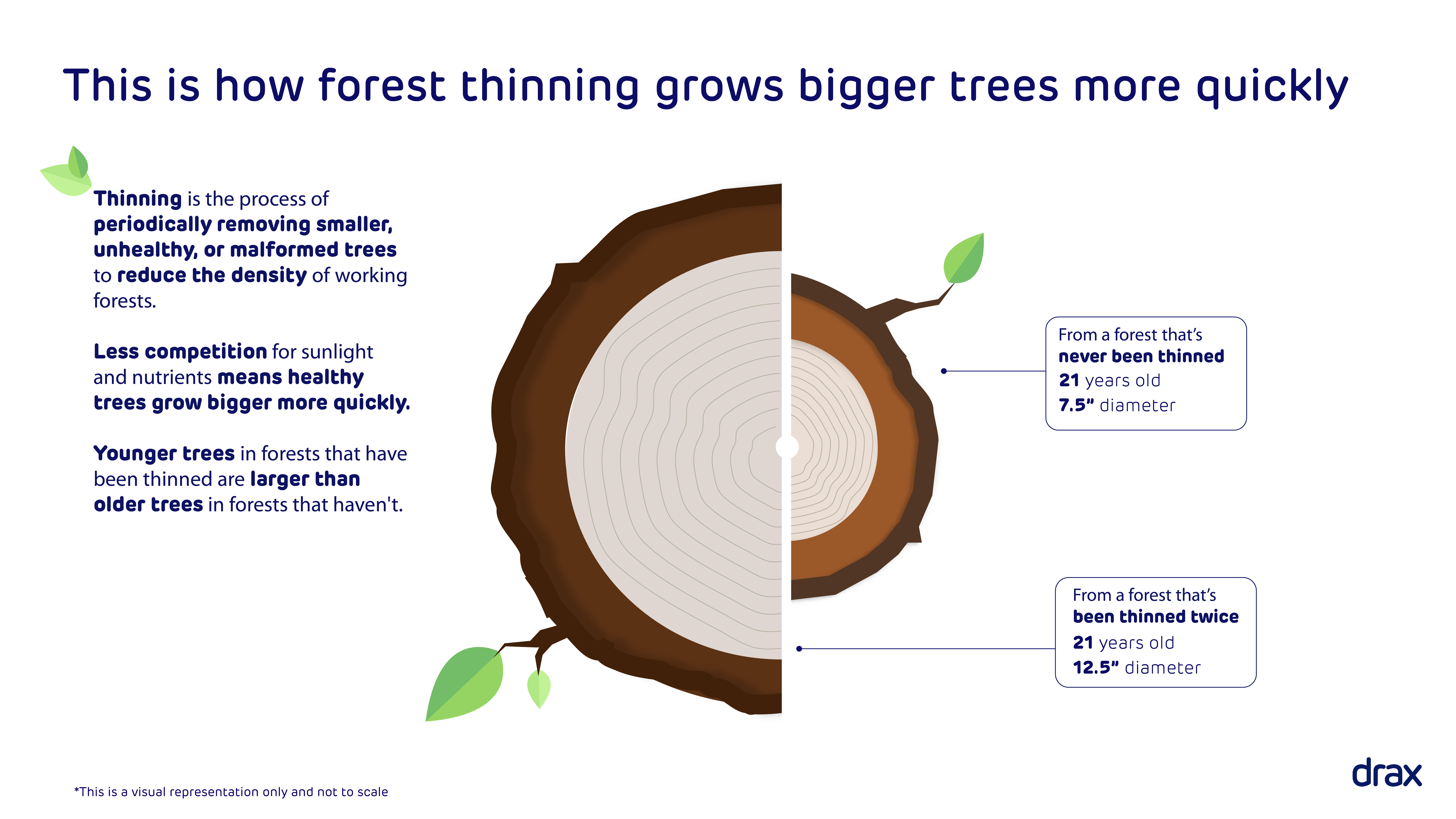
Thinning is an intermediate harvest aimed at reducing tree density to allocate more resources, like nutrients, sunlight, and water, to trees which will eventually become valuable sawtimber. Thinning not only increases future sawtimber yields, but also improves the forest’s resilience to pest, disease, and wildfire, as well as enhancing understory diversity and wildlife habitat.

Click to view/download

While trees removed during thinning are generally undersized or unsuitable for lumber, they’re ideal for producing biomass wood pellets. In this way, the biomass market creates an incentive for managers to engage in practices that increase the health and vigour of forests on their land.

The results speak for themselves: across U.S. forestland the volume of annual net timber growth 36% higher than the volume of annual timber removals.

A managed working forest in the US South

Estonia: Seeding the future

Though Estonia is not a large country, approximately half of it is covered in trees, meaning forestry is integral to the country’s way of life. Historically, harvesting trees has been an important part of the national economy, and the government has established strict laws to ensure sustainable management practices.

These regulations have helped Estonia increase its overall forest cover from about 34% 80 years ago to over 50% today. And, as in the U.S. South, the volume of wood harvested from Estonia’s forests each year is less than the volume added by tree growth.

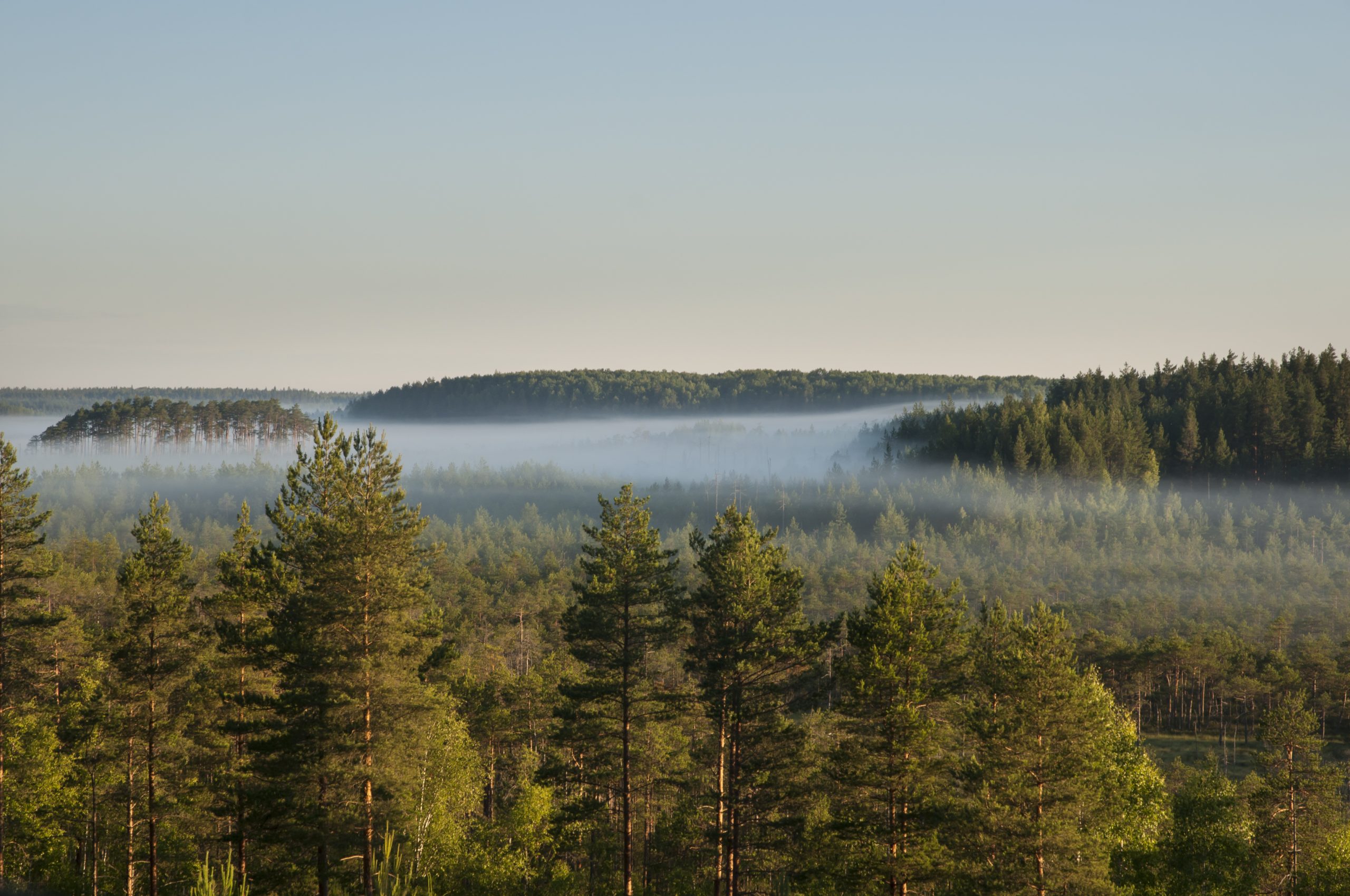
Sunrise and fog over forest landscape in Estonia

Sunrise and fog over forest landscape in Estonia

Estonia has managed to increase its growing forest stock by letting the average age of its forests increase. This is partially due to Estonia having young, fast-growing forests in areas where tree growth is relatively new. But it is also due to regulations that require harvesters to leave seed trees.

Seed trees are healthy, mature trees, the seeds from which become the forest’s next generation. By enforcing laws that ensure seed trees are not harvested, Estonia is encouraging natural regeneration of forests. As in the U.S. South protecting these seed trees from competition for water and nutrients means removing smaller trees in the area. While these smaller trees may not all be suitable for lumber, they are a suitable feedstock for biomass. It means managing for natural regeneration can still have economic, as well as environmental, advantages.

Different methods, similar results

Laws, landownership, and forestry practices differ greatly between the U.S. South, British Columbia, and Estonia, but all three are excellent examples of how local forest management contributes to healthy rural economies and sustained forest coverage.

While there are many different strategies for creating a balance between economic and environmental interests, all successful strategies have something in common: They encourage healthy, growing forests.

Supporting a circular economy in the forests

Every year in British Columbia, millions of tonnes of waste wood – known in the industry as slash – is burned by the side of the road.

Land managers are required by law to dispose of this waste wood – that includes leftover tree limbs and tops, and wood that is rotten, diseased and already fire damaged – to reduce the risks of wildfires and the spread of disease and pests.

The smoke from these fires is choking surrounding communities – sometimes “smoking out entire valleys,” air quality meteorologist from BC’s Environment Ministry Trina Orchard recently told iNFOnews.ca.

It also impacts the broader environment, releasing some 3 million tonnes of CO2 a year into the atmosphere, according to some early estimates.

Slash pile in British Columbia

Landfilling this waste material from logging operations isn’t an option as it would emit methane – a greenhouse gas that is about 25 times more potent than CO2. So you can see why it ends up being burned.

In its Modernizing Forest Policy in BC, the government has already identified its intention to phase out the burning of this waste wood left over after harvesting operations and is working with suppliers and other companies to encourage the use of this fibre.

This is a very positive move as this material must come out of the forests to reduce the fuel load that can help wildfires grow and spread to the point where they can’t be controlled, let alone be extinguished.

The wildfire risk is real and growing. Each year more forests and land are destroyed by wildfire, impacting communities, nature, wildlife and the environment.

In the past two decades, wildfires burned two and a half times more land in BC than in the previous 50-year period. According to very early estimates, emissions from last year’s wildfires in the province released around 150 million tonnes of CO2 – equivalent to around 30 million cars on the road for a year.

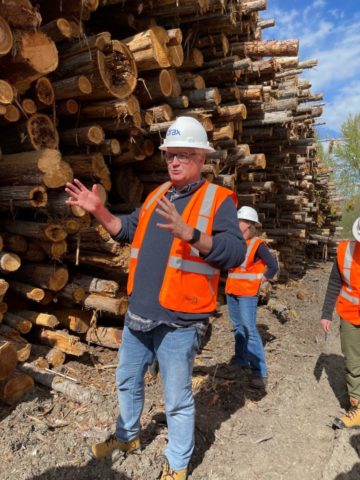
Alan Knight at the log yard for Lavington Pellet Mill in British Columbia

During my recent trip to British Columbia in Canada, First Nations, foresters, academics, scientists and government officials all talked about the burning piles of waste wood left over after logging operations.

Rather than burning it, it would be far better, they say, to use more of this potential resource as a feedstock for pellets that can be used to generate renewable energy, while supporting local jobs across the forestry sector and helping bolster the resilience of Canada’s forests against wildfire.

I like this approach because it brings pragmatism and common sense to the debate over Canada’s forests from the very people who know the most about the landscape around them.

Burning it at the roadside is a waste of a resource that could be put to much better use in generating renewable electricity, displacing fossil fuels, and it highlights the positive role the bioenergy industry can play in enhancing the forests and supporting communities.

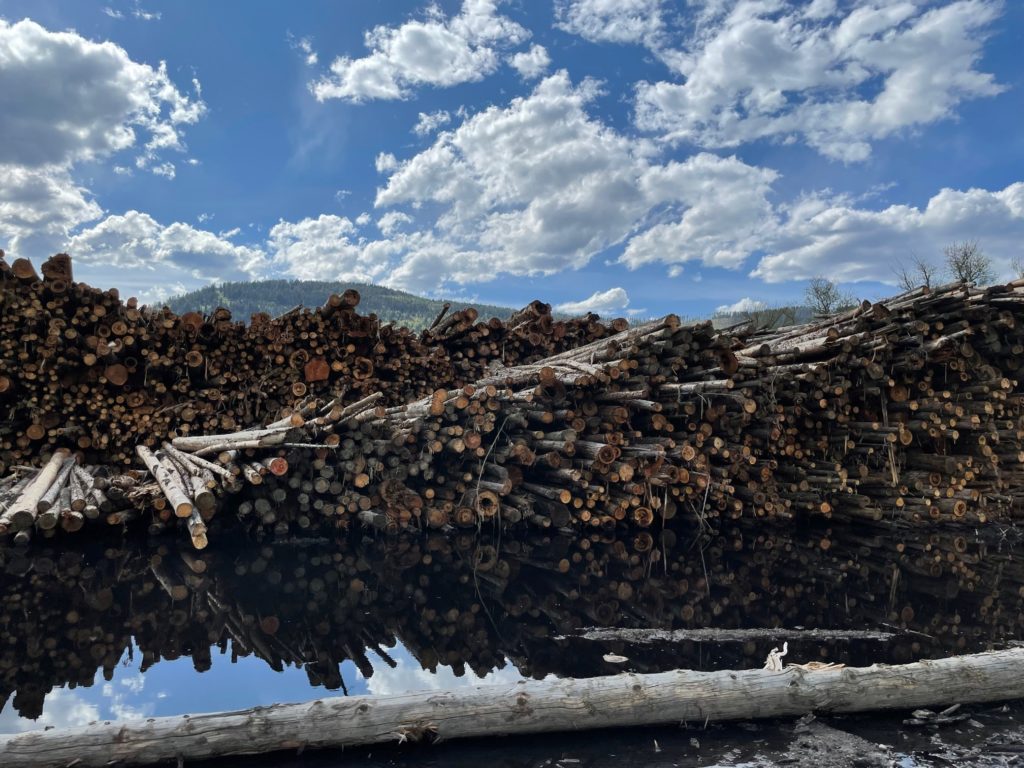
Drax is already using some of this waste wood – which I saw in the log yard for our Lavington Pellet mill in British Columbia. This waste wood comprises around 20% of our feedstock. The remaining 80% comes from sawmill residues like sawdust, chips and shavings.

Waste wood for pellets at Lavington Pellet Mill log yard

It’s clear to me that using this waste material that has little other use or market value to make our pellets is an invaluable opportunity to deliver real benefits for communities, jobs and the environment while supporting a sustainable circular economy in the forestry sector.

What is the carbon cycle?

What is the carbon cycle?

All living things contain carbon and the carbon cycle is the process through which the element continuously moves from one place in nature to another. Most carbon is stored in rock and sediment, but it’s also found in soil, oceans, and the atmosphere, and is produced by all living organisms – including plants, animals, and humans.

Carbon atoms move between the atmosphere and various storage locations, also known as reservoirs, on Earth. They do this through mechanisms such as photosynthesis, the decomposition and respiration of living organisms, and the eruption of volcanoes.

As our planet is a closed system, the overall amount of carbon doesn’t change. However, the level of carbon stored in a particular reservoir, including the atmosphere, can and does change, as does the speed at which carbon moves from one reservoir to another.

What is the role of photosynthesis in the carbon cycle?

Carbon exists in many different forms, including the colourless and odourless gas that is carbon dioxide (CO2). During photosynthesis, plants absorb light energy from the sun, water through their roots, and CO2 from the air – converting them into oxygen and glucose.

The oxygen is then released back into the air, while the carbon is stored in glucose, and used for energy by the plant to feed its stem, branches, leaves, and roots. Plants also release CO2 into the atmosphere through respiration.

Animals – including humans – who consume plants similarly digest the glucose for energy purposes. The cells in the human body then break down the glucose, with CO2 emitted as a waste product as we exhale.

CO2 is also produced when plants and animals die and are broken down by organisms such as fungi and bacteria during decomposition.

What is the fast carbon cycle?

The natural process of plants and animals releasing CO2 into the atmosphere through respiration and decomposition and plants absorbing it via photosynthesis is known as the biogenic carbon cycle. Biogenic refers to something that is produced by or originates from a living organism. This cycle also incorporates CO2 absorbed and released by the world’s oceans.

The biogenic carbon cycle is also called the “fast” carbon cycle, as the carbon that circulates through it does so comparatively quickly. There are nevertheless substantial variations within this faster cycle. Reservoir turnover times – a measure of how long the carbon remains in one location – range from years for the atmosphere to decades through to millennia for major carbon sinks on land and in the ocean.

What is the slow carbon cycle?

In some circumstances, plant and animal remains can become fossilised. This process, which takes millions of years, eventually leads to the formation of fossil fuels. Coal comes from the remains of plants that have been transformed into sedimentary rock. And we get crude oil and natural gas from plankton that once fell to the ocean floor and was, over time, buried by sediment.

The rocks and sedimentary layers where coal, crude oil, and natural gas are found form part of what is known as the geological or slow carbon cycle. From this cycle, carbon is returned to the atmosphere through, for example, volcanic eruptions and the weathering of rocks. In the slow carbon cycle, reservoir turnover times exceed 10,000 years and can stretch to millions of years.

How do humans impact the carbon cycle?

Left to its own devices, Earth can keep CO2 levels balanced, with similar amounts of CO2 released into and absorbed from the air. Carbon stored in rocks and sediment would slowly be emitted over a long period of time. However, human activity has upset this natural equilibrium.

Burning fossil fuel releases carbon that’s been sequestered in geological formations for millions of years, transferring it from the slow to the fast (biogenic) carbon cycle. This influx of fossil carbon leads to excessive levels of atmospheric CO2, that the biogenic carbon cycle can’t cope with.

As a greenhouse gas that traps heat from the sun between the Earth and its atmosphere, CO2 is essential to human existence. Without CO2 and other greenhouse gases, the planet could become too cold to sustain life.

However, the drastic increase in atmospheric CO2 due to human activity means that too much heat is now retained between Earth and the atmosphere. This has led to a continued rise in the average global temperature, a development that is part of climate change.

Where does biomass fit into the carbon cycle?

One way to help reduce fossil carbon is to replace fossil fuels with renewable energy, including sustainably sourced biomass. Feedstock for biomass energy includes plant material, wood, and forest residue – organic matter that absorbs CO2 as part of the biogenic carbon cycle. When the biomass is combusted in energy or electricity generation, the biogenic carbon stored in the organic matter is released back into the atmosphere as CO2.

This is distinctly different from the fossil carbon released by oil, gas, and coal. The addition of carbon capture and storage to bioenergy – creating BECCS – means the biogenic carbon absorbed by the organic matter is captured and sequestered, permanently removing it from the atmosphere. By capturing CO2 and transporting it to geological formations – such as porous rocks – for permanent storage, BECCS moves CO2 from the fast to the slow carbon cycle.

This is the opposite of burning fossil fuels, which takes carbon out of geological formations (the slow carbon cycle) and emits it into the atmosphere (the fast carbon cycle). Because BECCS removes more carbon than it emits, it delivers negative emissions.

Fast facts

  • According to a 2019 study, human activity including the burning of fossil fuels releases between 40 and 100 times more carbon every year than all volcanic eruptions around the world.
  • In March 2021, the Mauna Loa Observatory in Hawaii reported that average CO2 in the atmosphere for that month was 14 parts per million. This was 50% higher than at the time of the Industrial Revolution (1750-1800).
  • There is an estimated 85 billion gigatonne (Gt) of carbon stored below the surface of the Earth. In comparison, just 43,500 Gt is stored on land, in oceans, and in the atmosphere.
  • Forests around the world are vital carbon sinks, absorbing around 7.6 million tonnes of CO2 every year.

Go deeper

Burns Lake and Houston pellet plant catchment area analysis

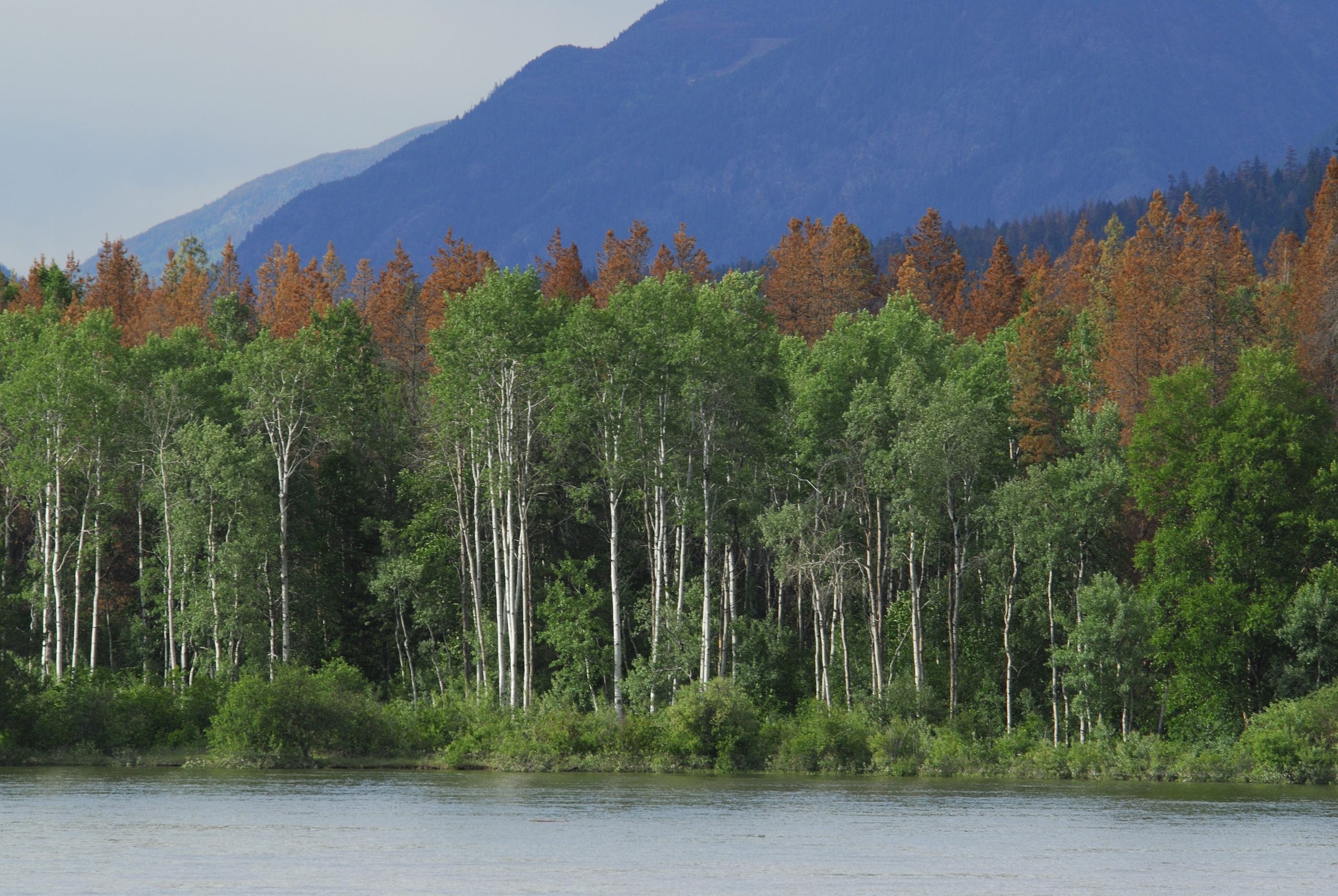
British Columbia, near Barriere, North Thompson River, aspen trees, dead pine trees behind infected with pine bark beetle (aka mountain pine beetle)

The eigth report in a series of catchment area analyses for Drax looks at the fibre sourcing area surrounding two compressed wood pellet plants operated by Pinnacle.

This part of interior British Columbia (BC) is unique in the Drax supply chain. Forest type, character, history, utilisation, natural challenges, logistics, forest management and planning are all very different to the other regions from which Drax sources biomass. Recently devasted by insect pest and fire damage, Arborvitae Environmental Services has produced a fascinating overview of the key issues and challenges that are being experienced in this region.

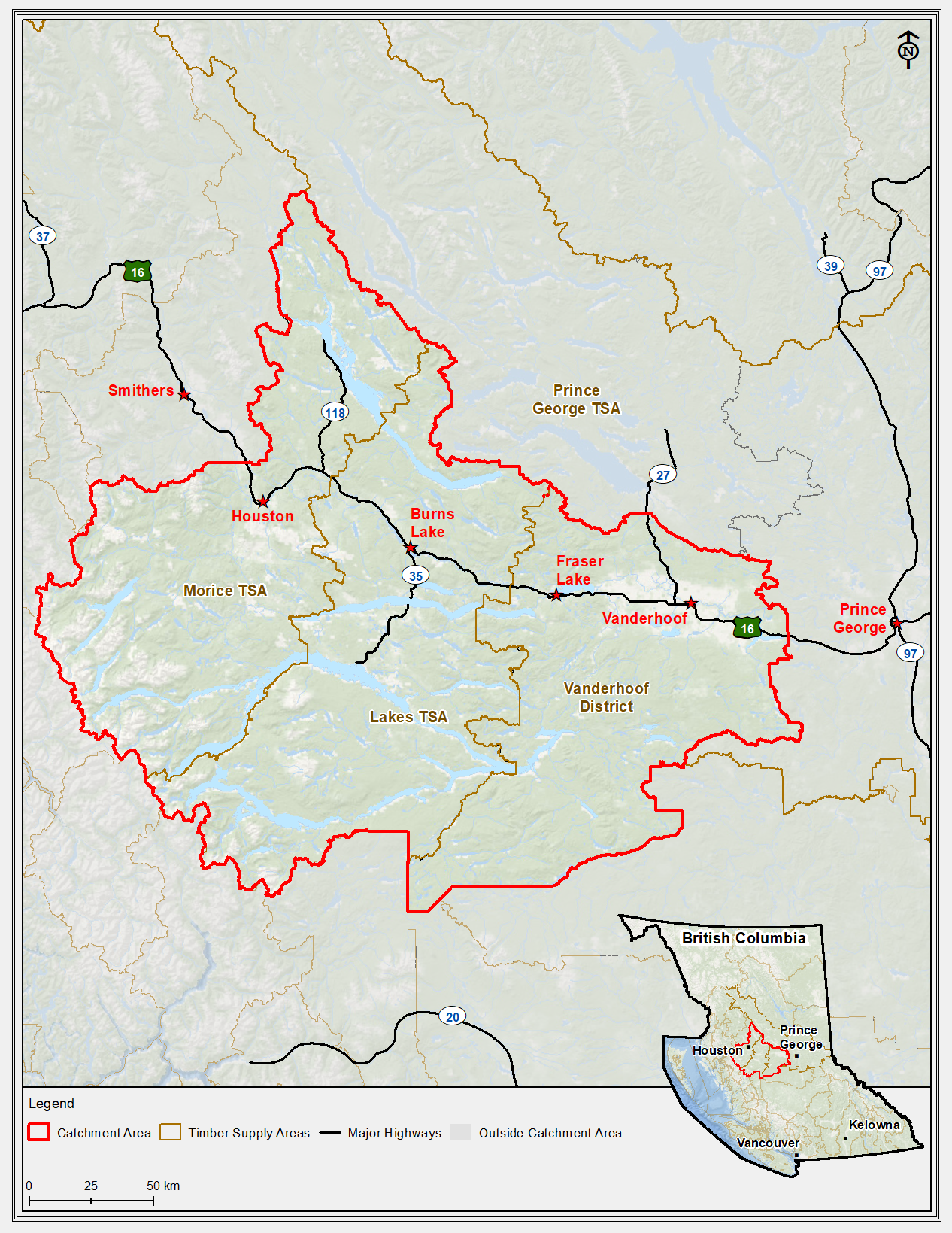
Figure 1: Catchment area map of the region [Click to view/download]

A positive response to natural disasters

Like the entire BC Interior, the area has suffered a devastating attack of Mountain Pine Beetle (MPB) damage over the last 20 years which has completely dominated every forest management decision and action. Within the catchment area, the MPB killed an estimated 157 million cubic metres (m3) between 1999 and 2014, representing 42% of the estimated 377 million m3 of total standing timber in the catchment area in 1999.  In addition, severe wildfires in 2018 burned an estimated 7.1 million m3.

These natural events have had a devastating impact on the forest resource. Harvesting increased significantly to utilise the dead and dying timber as lumber in sawmills whilst it was still viable.
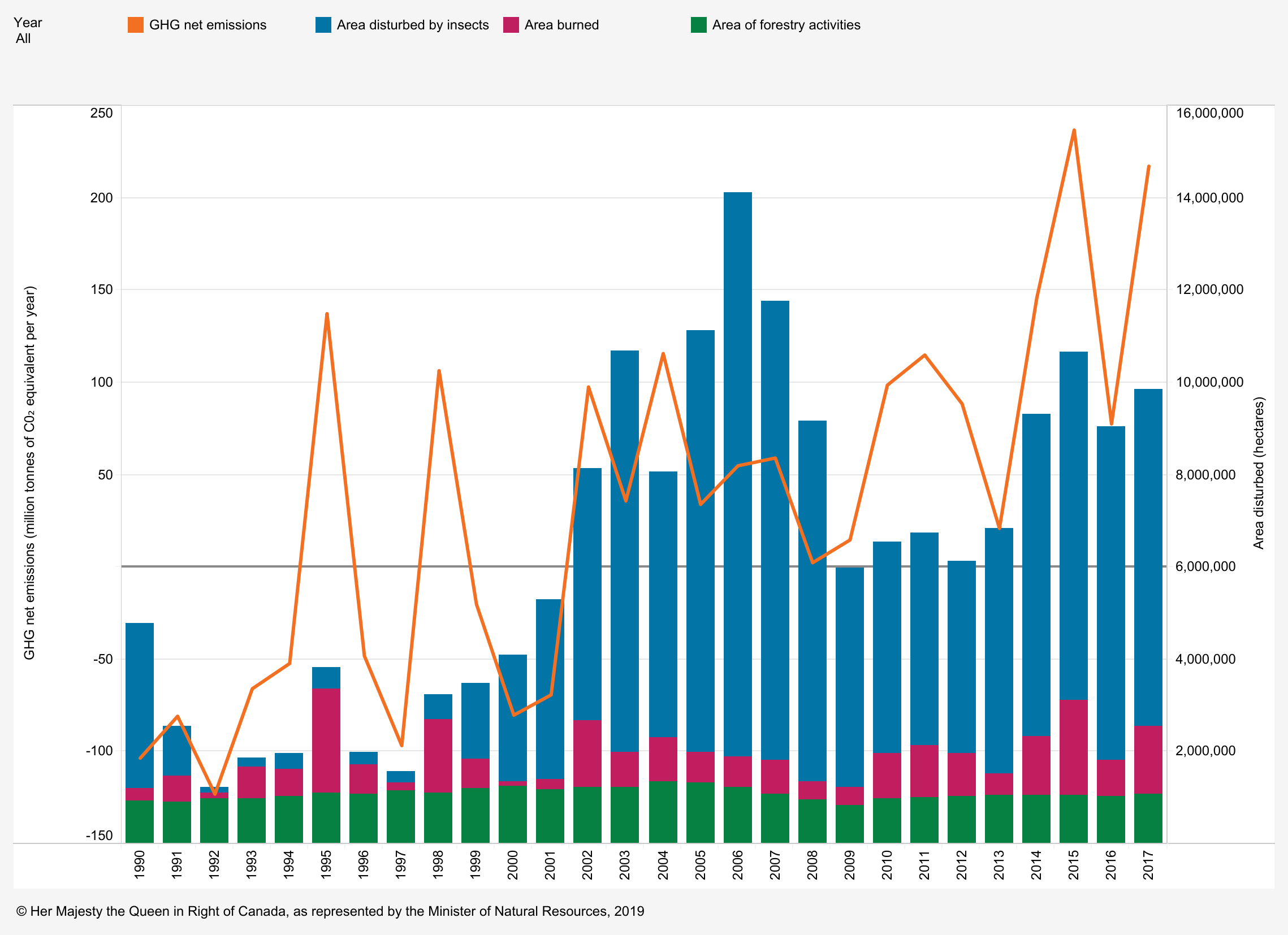
Net carbon emissions in Canada’s managed forest: All areas, 1990–2017; illustrates that the impact of fires and insect damage have been far more significant, by hectares affected, than forestry activity; Chart via Natural Government of Canada

The Pinnacle pellet mills at Burns Lake and Houston were established alongside the sawmills to utilise the sawmill residues as there were no other viable markets for this material. These sawmills draw fibre from a large distance, up to 300 miles away. Therefore, the size of the catchment area in this piece of analysis is determined by the sourcing practices of the sawmills rather than the economic viability of low grade roundwood transport to the pellet mill (see Figure 1).

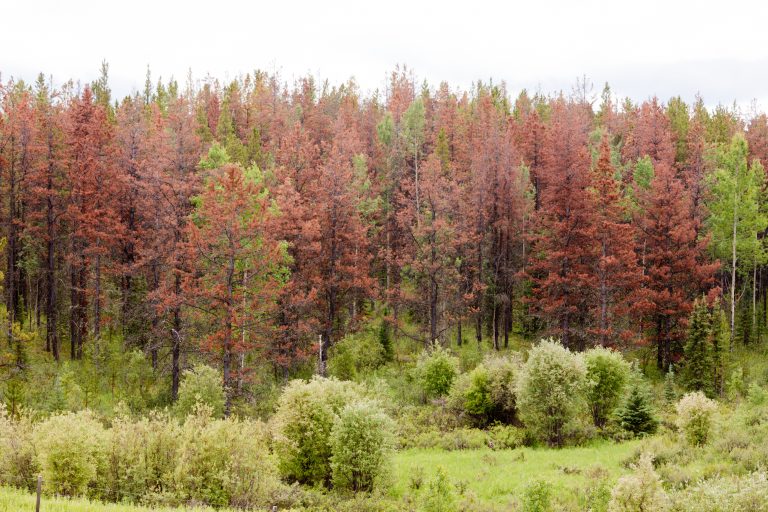
Damage to pine trees by Mountain Pine Beetle (MPB)

Utilising forest residues

The two mills producing high-density biomass pellets have provided an essential outlet for residue material that would otherwise have no other market and until very recently were supplied almost entirely by mill residuals. As the quantity of dead and dying timber has reduced and sawmill production has declined, the pellet mills are beginning to utilise more low-grade roundwood and forest residues (that are otherwise heaped and burned at roadside following harvest) to supplement the sawmill co-products.

Primarily State owned managed forests

The total land area in the catchment for Burns Lake and Houston is 4.47 million hectares (ha) of which 3.75 million ha is classed as forest land, 94% of the catchment area is public land under provincial jurisdiction. The provincial forest service is responsible for all decisions on land use and forest management on public land, in consultation with communities and indigenous groups, determining which areas are suitable for timber production and which areas require protection. Approximately 34% of the catchment area is not available for commercial timber harvesting because it is either non-forested or it has low productivity, and other operational challenges, or it is protected for ecological and wildlife reasons.

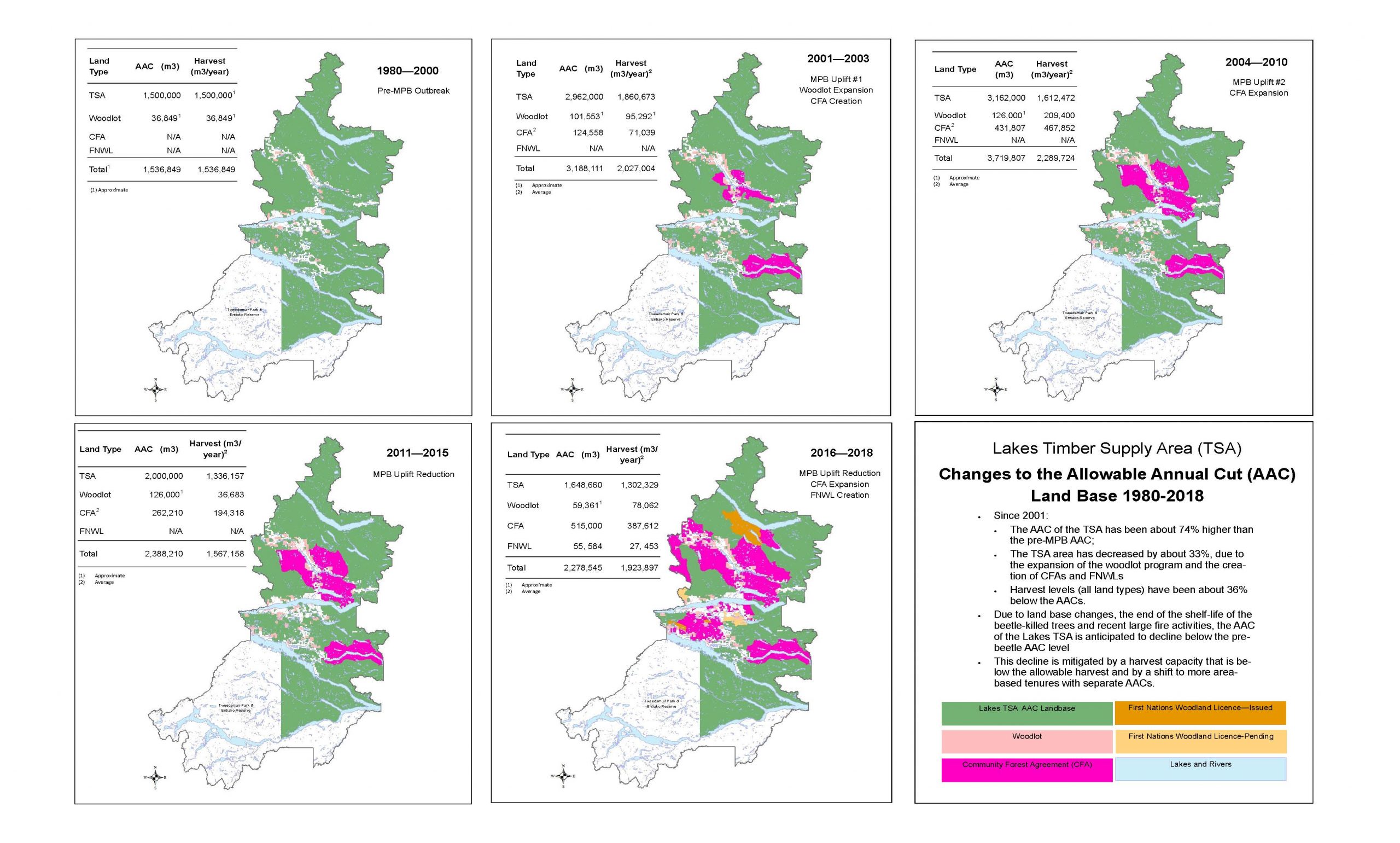
The Chief Forester for the province sets the Annual Allowable Cut (AAC) which determines the quantity of timber that can be harvested each year. Ordinarily this will be based on the sustainable yield capacity of the working forest area, but in recent years the MPB damage has necessitated a significant increase in AAC to facilitate the salvage of areas that have been attacked and damaged (see Figure 2).

Figure 2: Changes in Annual Allowable Cut 1980 to 2018 (Source: Nadina District FLNRORD) [Click to view/download]

The catchment area is in the Montane Cordillera ecozone and the Canadian Forest Service reports that between 1980 and 2017, the area of forest in the ecozone declined from 31,181,000 ha to 31,094,000 ha, a decline of 87,000 ha or 0.28 % of the forest area. Deforestation in the catchment area was estimated at 300 ha per year. Most deforestation in the ecozone occurred because of conversion to agriculture, as well as other contributing factors, such as mining, urban expansion and road construction (including forest roads).

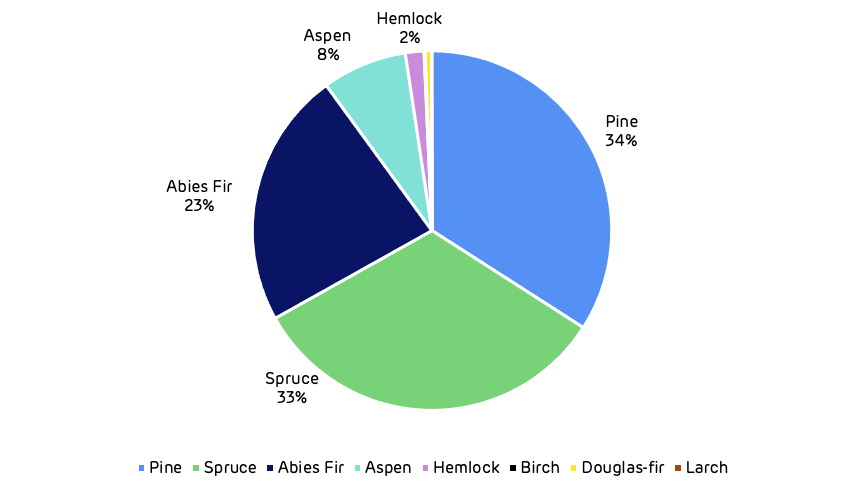
The forest area is dominated by coniferous species (see Figure 3) predominantly lodgepole pine, spruce and fir (90% of the total area), with hardwood species (primarily aspen) making up just 8% of the total area.

Figure 3: Species composition of forest land in the catchment area.

Managing beetle damaged areas

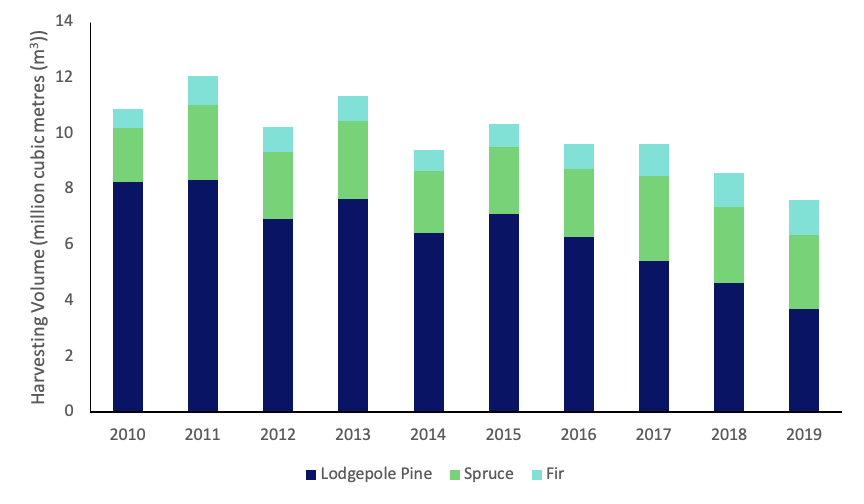
The annual harvest volume was at a peak in the early part of the last decade at over 12 million m3 in 2011. This has now declined by around 4.5 million m3 in 2019 (see Figure 4) as the beetle damaged areas are cleared and replanted. The AAC and harvesting levels are expected to be reduced in the future to allow the forest to regrow and recover.

Figure 4: Annual change in harvest volume of major species

Future increases in forest growth rates

Historically, the forest area has naturally regenerated with self-seeded stands reaching a climax of mature pine, spruce, and Abies fir mixtures.  As the forest matured, it would often be subject to natural fires or other disturbance which would cause the cycle to begin again. Following the increase in harvesting of beetle damaged areas, many forests are now replanted with mixtures of spruce and pine rather than naturally regenerated. This is likely to lead to an increase in forest growth rates in the future and a higher volume of timber availability once the areas reach maturity (see Figure 5).

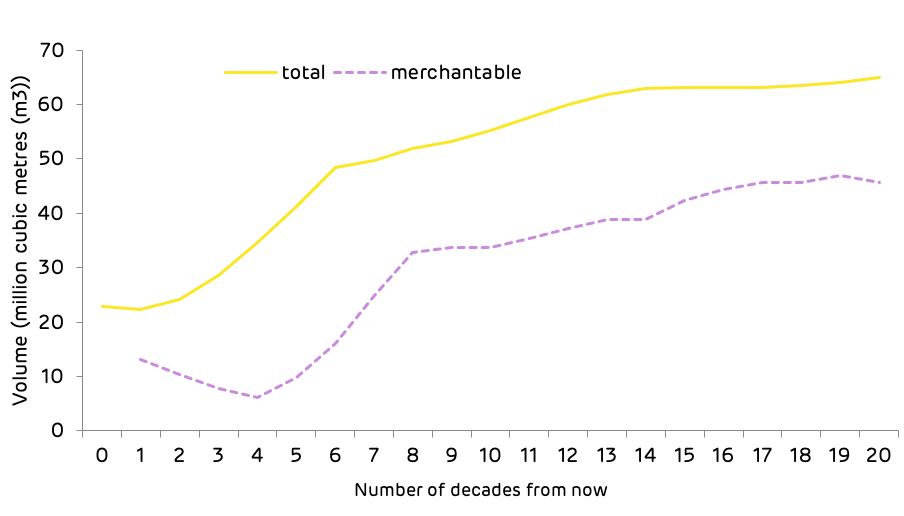
Figure 5: Forecast of future volume production

Timber markets in the catchment area are limited in comparison to other regions like the US South.  The scale of the landscape and the inaccessible nature of many of the forest areas limit the viability of access to multiple markets. Sawmills produce the highest value end-product and these markets have driven the harvesting of forest tracts for many years. Concessions to harvest timber are licensed either by volume or for a specific area from the provincial forest service. This comes with a requirement to ensure that the forest regrows and is appropriately managed after harvesting.

There are no pulp mills within the catchment area and limited alternative markets for the lowest grades of roundwood or sawmill residuals other than the pellet mills; consequently, the pellet mills have a close relationship with the sawmills.

Wood price trends

Prices for standing timber on public land are determined by the provincial government using results from public timber sales and set according to the species and quality of timber produced (from the highest-grade logs through to forest residuals). The lack of market diversity and challenging logistics mean that there is little competition for mill residuals and low-grade fibre. The price differential in end-product value between sawtimber and wood pellets ensures that fibre suitable for sawmill utilisation does not get processed by the pellet mill. A very small volume of larger dimension material can end up in a low value market when there are quality issues that limit the value for sawtimber (e.g. rotten core, structural defects) but this represents a very small proportion of the supply volume. There is no evidence that pellet mills have displaced other markets within this catchment area.

Read the full report: Catchment Area Analysis: Pinnacle Renewable Energy’s Burns Lake & Houston Mills.

This is part of a series of catchment area analyses around the forest biomass pellet plants supplying Drax Power Station with renewable fuel. Others in the series can be found here