


https://www.drax.com/ca/investors/disclaimer-proposed-acquisition-of-pinnacle-renewable-energy-inc-by-drax/
We’re committed to enabling a zero carbon, lower cost energy future through engineering, technology and innovation.
We’re building for a sustainable future in how we source our biomass, generate energy, remove carbon dioxide and function as a business.
Read our carbon capture, sustainable bioenergy and power generation stories, as well as thinking from Drax’s leaders and business updates.
https://www.drax.com/ca/investors/disclaimer-proposed-acquisition-of-pinnacle-renewable-energy-inc-by-drax/

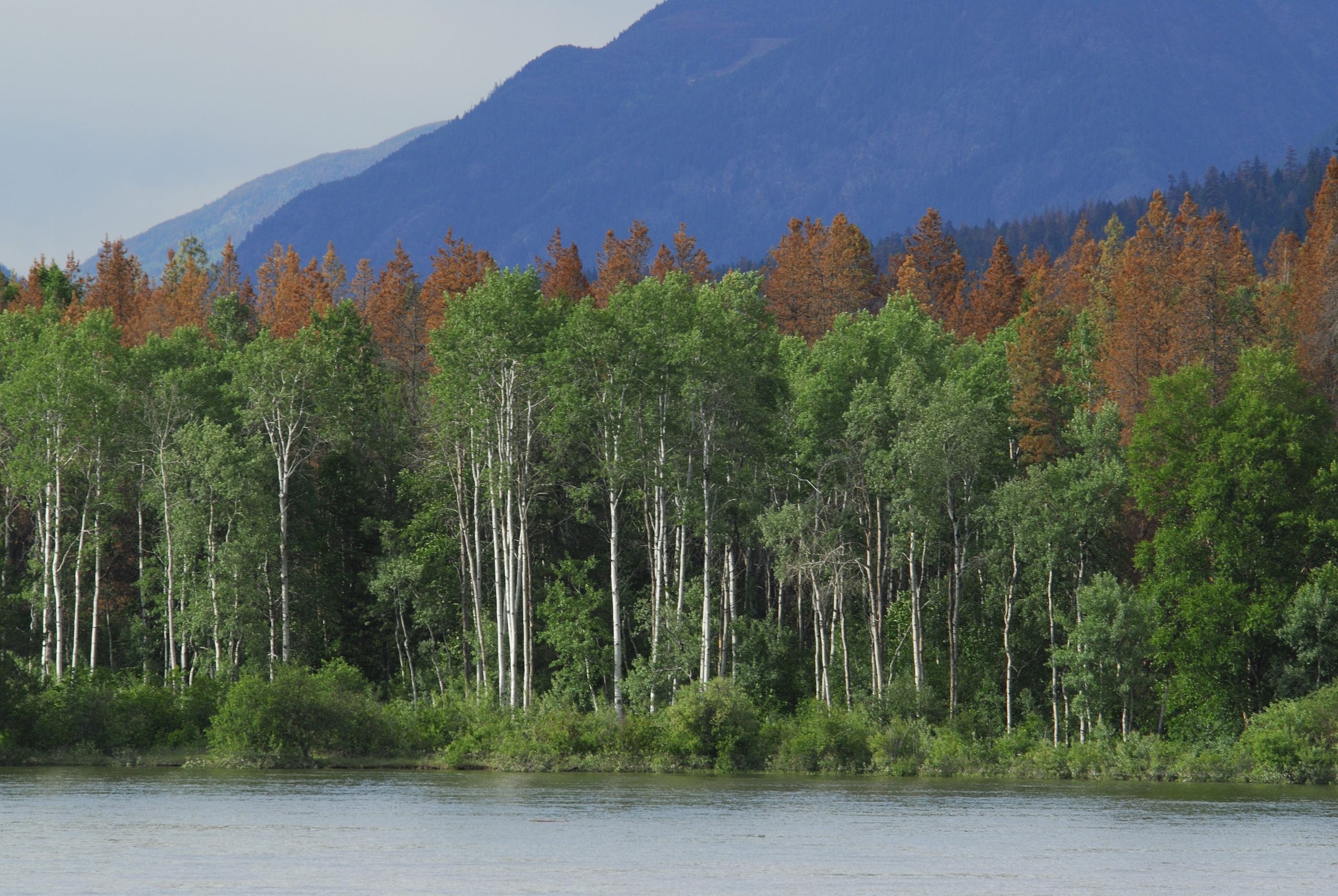
The eigth report in a series of catchment area analyses for Drax looks at the fibre sourcing area surrounding two compressed wood pellet plants operated by Pinnacle.
This part of interior British Columbia (BC) is unique in the Drax supply chain. Forest type, character, history, utilisation, natural challenges, logistics, forest management and planning are all very different to the other regions from which Drax sources biomass. Recently devasted by insect pest and fire damage, Arborvitae Environmental Services has produced a fascinating overview of the key issues and challenges that are being experienced in this region.
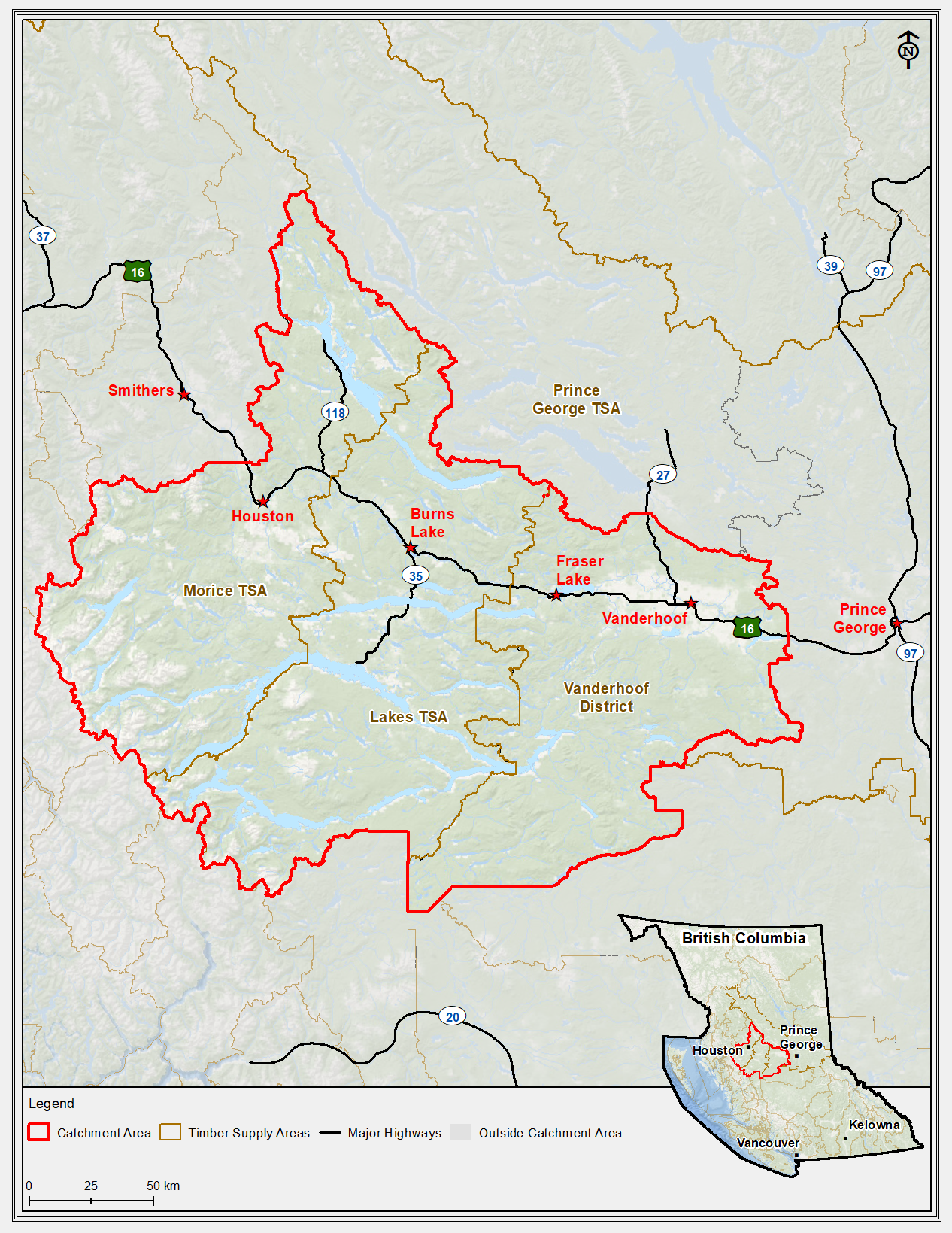
Figure 1: Catchment area map of the region [Click to view/download]
Like the entire BC Interior, the area has suffered a devastating attack of Mountain Pine Beetle (MPB) damage over the last 20 years which has completely dominated every forest management decision and action. Within the catchment area, the MPB killed an estimated 157 million cubic metres (m3) between 1999 and 2014, representing 42% of the estimated 377 million m3 of total standing timber in the catchment area in 1999. In addition, severe wildfires in 2018 burned an estimated 7.1 million m3.
These natural events have had a devastating impact on the forest resource. Harvesting increased significantly to utilise the dead and dying timber as lumber in sawmills whilst it was still viable.
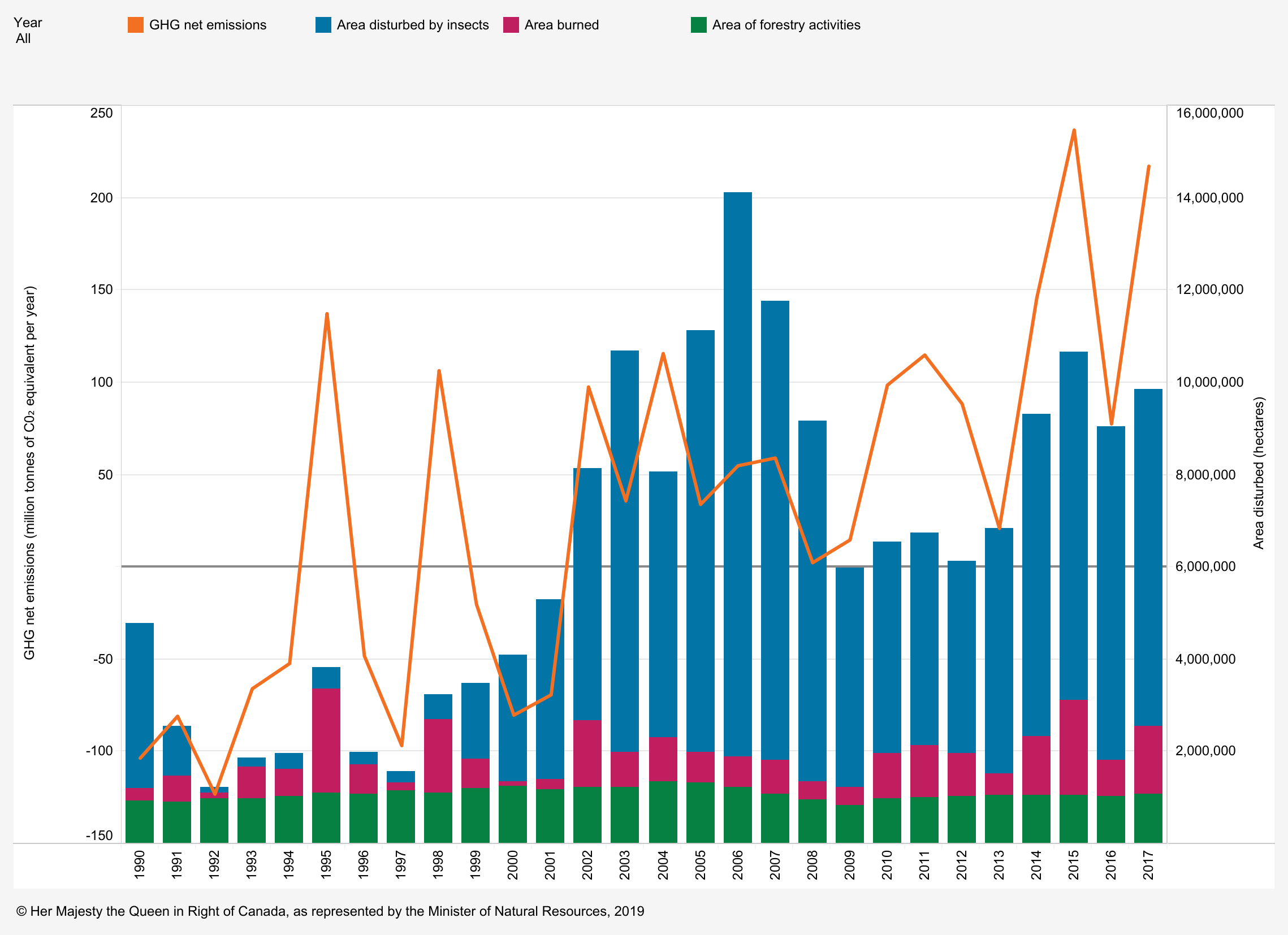
Net carbon emissions in Canada’s managed forest: All areas, 1990–2017; illustrates that the impact of fires and insect damage have been far more significant, by hectares affected, than forestry activity; Chart via Natural Government of Canada
The Pinnacle pellet mills at Burns Lake and Houston were established alongside the sawmills to utilise the sawmill residues as there were no other viable markets for this material. These sawmills draw fibre from a large distance, up to 300 miles away. Therefore, the size of the catchment area in this piece of analysis is determined by the sourcing practices of the sawmills rather than the economic viability of low grade roundwood transport to the pellet mill (see Figure 1).
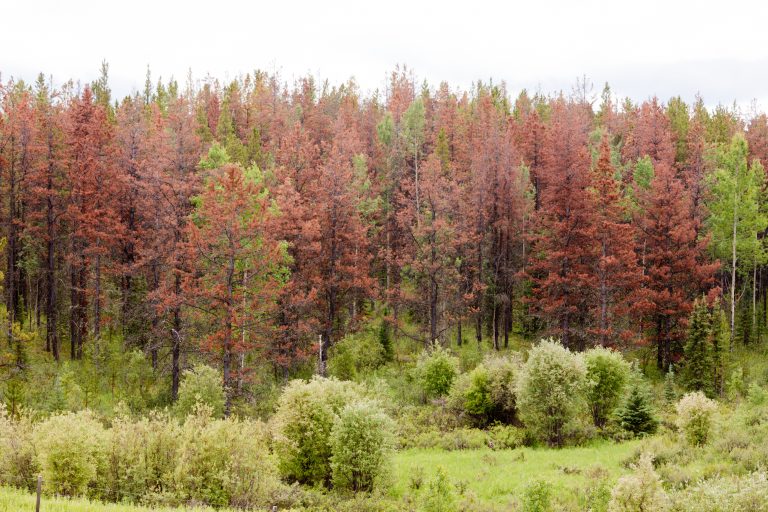
Damage to pine trees by Mountain Pine Beetle (MPB)
The two mills producing high-density biomass pellets have provided an essential outlet for residue material that would otherwise have no other market and until very recently were supplied almost entirely by mill residuals. As the quantity of dead and dying timber has reduced and sawmill production has declined, the pellet mills are beginning to utilise more low-grade roundwood and forest residues (that are otherwise heaped and burned at roadside following harvest) to supplement the sawmill co-products.
The total land area in the catchment for Burns Lake and Houston is 4.47 million hectares (ha) of which 3.75 million ha is classed as forest land, 94% of the catchment area is public land under provincial jurisdiction. The provincial forest service is responsible for all decisions on land use and forest management on public land, in consultation with communities and indigenous groups, determining which areas are suitable for timber production and which areas require protection. Approximately 34% of the catchment area is not available for commercial timber harvesting because it is either non-forested or it has low productivity, and other operational challenges, or it is protected for ecological and wildlife reasons.
The Chief Forester for the province sets the Annual Allowable Cut (AAC) which determines the quantity of timber that can be harvested each year. Ordinarily this will be based on the sustainable yield capacity of the working forest area, but in recent years the MPB damage has necessitated a significant increase in AAC to facilitate the salvage of areas that have been attacked and damaged (see Figure 2).
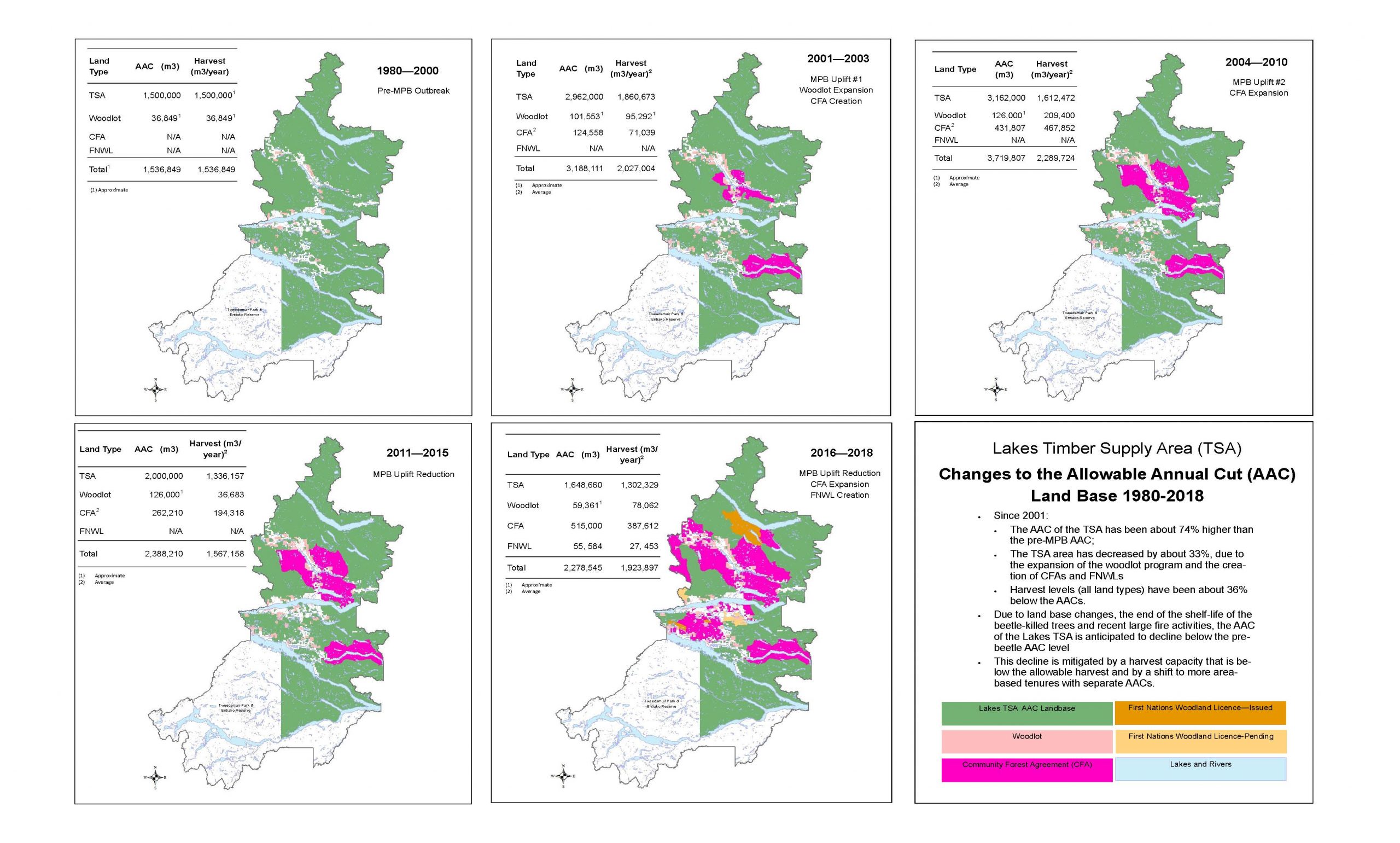
Figure 2: Changes in Annual Allowable Cut 1980 to 2018 (Source: Nadina District FLNRORD) [Click to view/download]
The forest area is dominated by coniferous species (see Figure 3) predominantly lodgepole pine, spruce and fir (90% of the total area), with hardwood species (primarily aspen) making up just 8% of the total area.
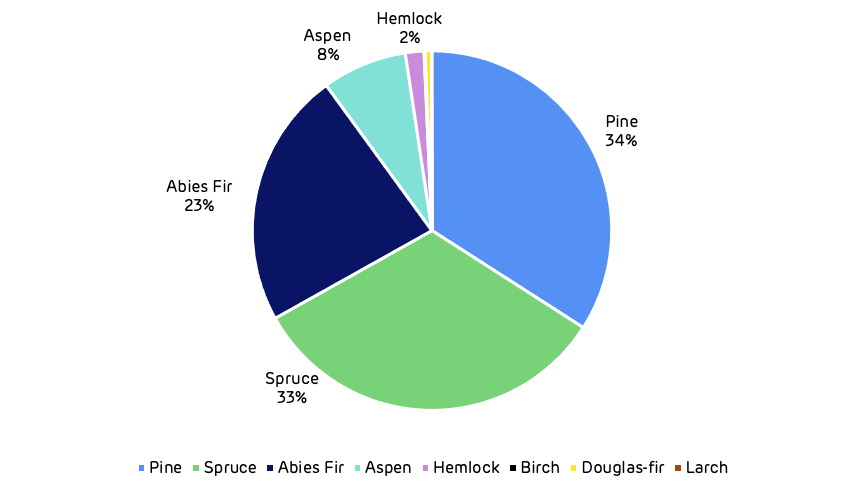
Figure 3: Species composition of forest land in the catchment area.
The annual harvest volume was at a peak in the early part of the last decade at over 12 million m3 in 2011. This has now declined by around 4.5 million m3 in 2019 (see Figure 4) as the beetle damaged areas are cleared and replanted. The AAC and harvesting levels are expected to be reduced in the future to allow the forest to regrow and recover.
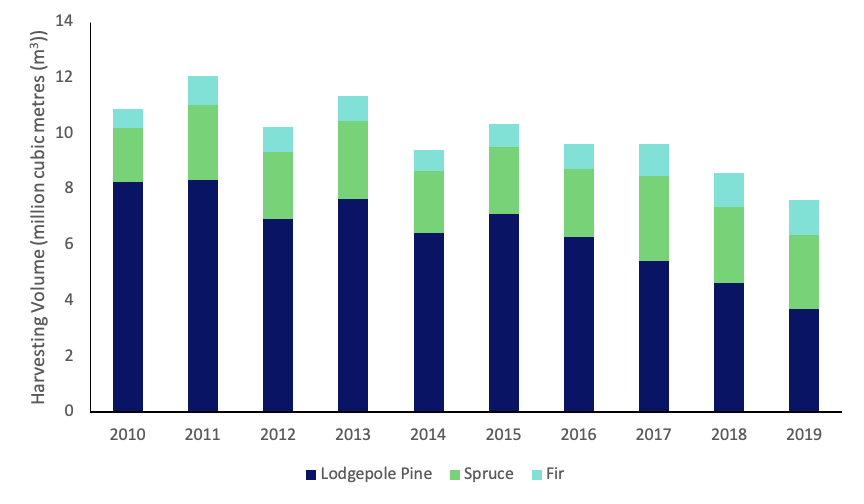
Figure 4: Annual change in harvest volume of major species
Historically, the forest area has naturally regenerated with self-seeded stands reaching a climax of mature pine, spruce, and Abies fir mixtures. As the forest matured, it would often be subject to natural fires or other disturbance which would cause the cycle to begin again. Following the increase in harvesting of beetle damaged areas, many forests are now replanted with mixtures of spruce and pine rather than naturally regenerated. This is likely to lead to an increase in forest growth rates in the future and a higher volume of timber availability once the areas reach maturity (see Figure 5).
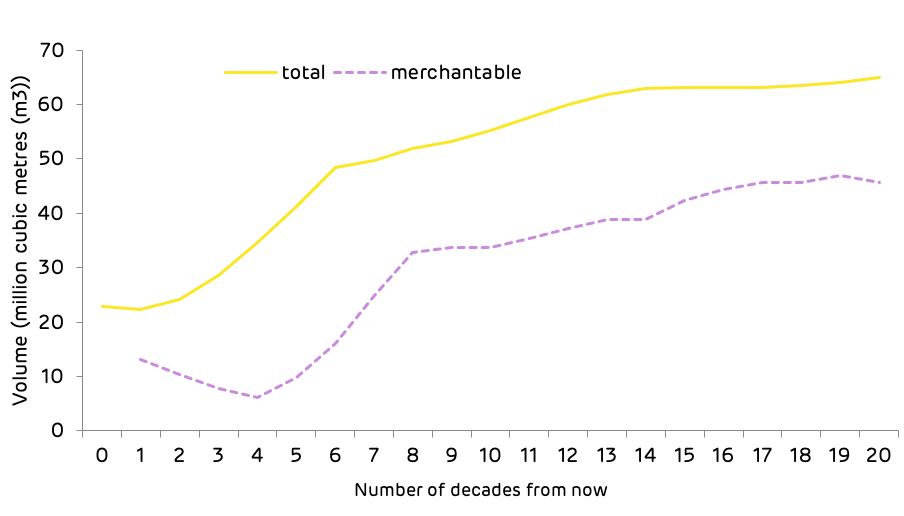
Figure 5: Forecast of future volume production
Timber markets in the catchment area are limited in comparison to other regions like the US South. The scale of the landscape and the inaccessible nature of many of the forest areas limit the viability of access to multiple markets. Sawmills produce the highest value end-product and these markets have driven the harvesting of forest tracts for many years. Concessions to harvest timber are licensed either by volume or for a specific area from the provincial forest service. This comes with a requirement to ensure that the forest regrows and is appropriately managed after harvesting.
There are no pulp mills within the catchment area and limited alternative markets for the lowest grades of roundwood or sawmill residuals other than the pellet mills; consequently, the pellet mills have a close relationship with the sawmills.
Prices for standing timber on public land are determined by the provincial government using results from public timber sales and set according to the species and quality of timber produced (from the highest-grade logs through to forest residuals). The lack of market diversity and challenging logistics mean that there is little competition for mill residuals and low-grade fibre. The price differential in end-product value between sawtimber and wood pellets ensures that fibre suitable for sawmill utilisation does not get processed by the pellet mill. A very small volume of larger dimension material can end up in a low value market when there are quality issues that limit the value for sawtimber (e.g. rotten core, structural defects) but this represents a very small proportion of the supply volume. There is no evidence that pellet mills have displaced other markets within this catchment area.

In ecological terms, biomass refers to any type of organic matter. When it comes to energy, biomass is any organic matter that can be used to generate energy, for example wood, forest residues or plant materials.
Biomass used and combusted for energy can come in a number of different forms, ranging from compressed wood pellets – which are used in power stations that have upgraded from coal – to biogas and biofuels, a liquid fuel that can be used to replace fossil fuels in transport.
The term biomass also refers to any type of organic material used for energy in domestic settings, for example wood burned in wood stoves and wood pellets used in domestic biomass boilers.
Biomass is organic matter like wood, forest residues or plant material, that is used to generate energy.
Biomass can be produced from different sources including agricultural or forestry residues, dedicated energy crops or waste products such as uneaten food.
Drax Power Station uses compressed wood pellets sourced from sustainably managed working forests in the US, Canada, Europe and Brazil, and are largely made up of low-grade wood produced as a byproduct of the production and processing of higher value wood products, like lumber and furniture.
Biomass producers and users must meet a range of stringent measures for their biomass to be certified as sustainable and responsibly sourced.
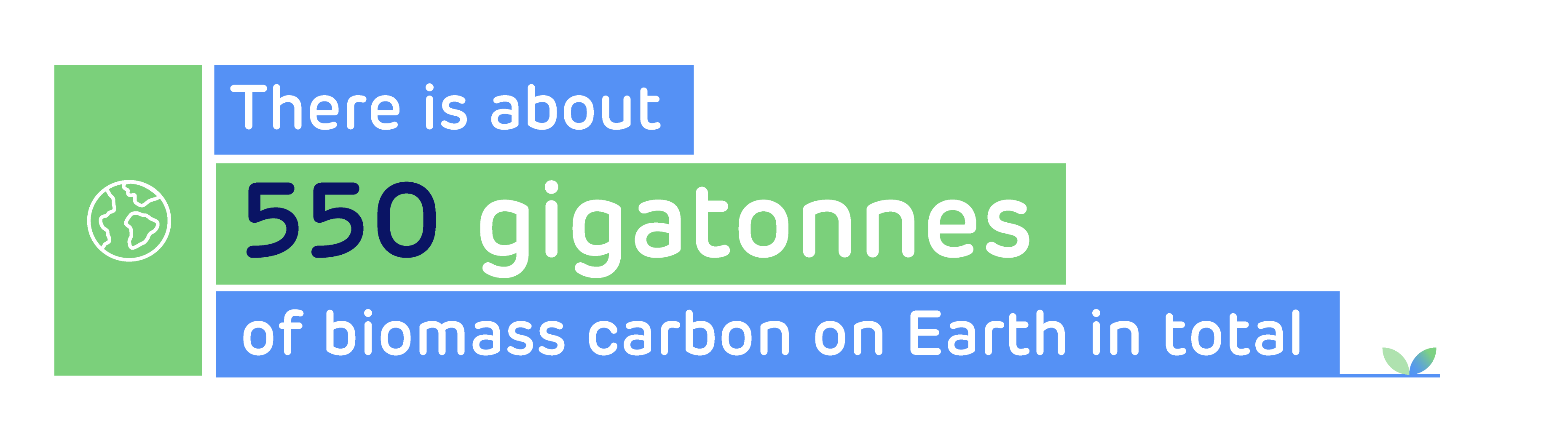
Biomass grown through sustainable means is classified as a renewable source of energy because of the process of its growth. As biomass comes from organic, living matter, it grows naturally, absorbing carbon dioxide (CO2) from the atmosphere in the process.
It means when biomass is combusted as a source of energy – for example for heat or electricity production – the CO2 released is offset by the amount of CO2 it absorbed from the atmosphere while it was growing.
Biomass is a renewable, sustainable form of energy used around the world.
Biomass has been used as a source of energy for as long as humans have been creating fire. Early humans using wood, plants or animal dung to make fire were all creating biomass energy.
Today biomass in the form of wood and wood products remains a widely used energy source for many countries around the world – both for domestic consumption and at grid scale through power stations, where it’s often used to replace fossil fuels with much higher lifecycle carbon emissions.
Drax Power Station has been using compressed wood pellets (a form of biomass) since 2003, when it began research and development work co-firing it with coal. It fully converted its first full generating unit to run only on compressed wood pellets in 2013, lowering the carbon footprint of the electricity it produced by more than 80% across the renewable fuel’s lifecycle. Today the power station runs mostly on sustainable biomass.
We are living through unprecedented times. Coronavirus is having far reaching effects on all industries not just here in the UK, but around the world. At Drax, we take our responsibilities as a member of critical national infrastructure and as an essential service provider very seriously. We are committed to maintaining a continuous, stable and reliable electricity supply for millions of homes and businesses in the UK.
Firstly, I’d like to thank our employees, contractors, supply chain workers and their families as well as the communities in the UK and US in which we operate, for their fantastic support and continued hard work during these difficult and uncertain times. Our employees’ health and wellbeing are vital, and we’re working hard to ensure we are supporting them with both their physical and mental health, whether working at home or at one of our sites.
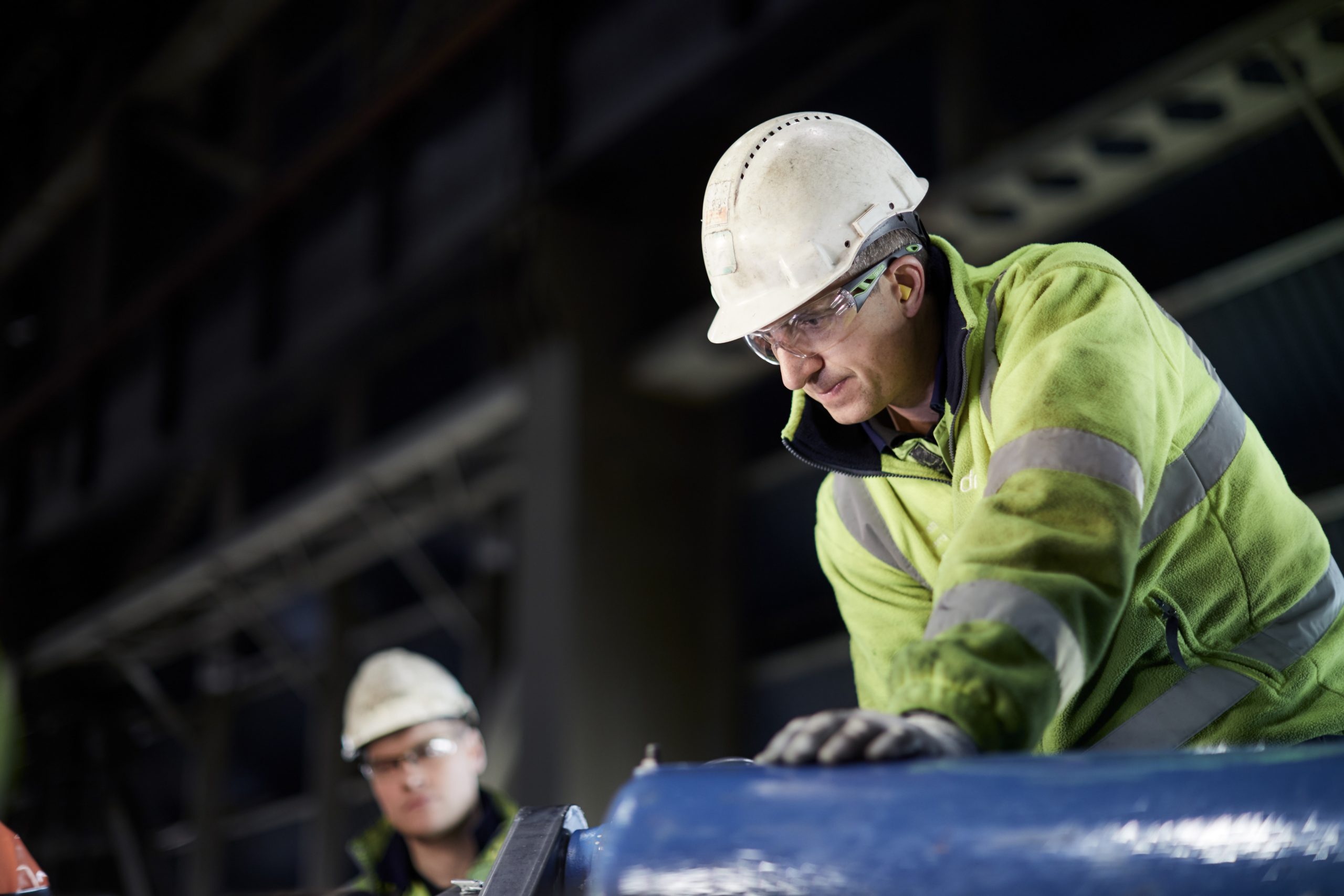
Engineer maintaining equipment in Drax Power Station [Click to view/download]
Across all our sites we are have implemented strategies to reduce the chances of people spreading the virus and have operational plans in place to ensure continued delivery of power into the grid.
At Drax Power Station, the UK’s largest power station, largest decarbonisation project in Europe and biggest source of renewable power into the national grid, we have arranged for the separation of key operational teams and employees so that they are physically distanced from each other. We have moved as many employees as possible to work from home, so that there are fewer people in our workplaces reducing the risk of the spread of infection, should it arise. We have strict controls on visitors to the site and on our contractors and suppliers. Our resilience teams are working well and we have contingency plans in place to manage risks associated with colleague absences.
We have closed the visitor centres at Cruachan pumped storage hydro power station and Tongland hydro power station in Scotland, as well as at Drax Power Station in North Yorkshire. We have also stopped all but critically important travel between our sites.
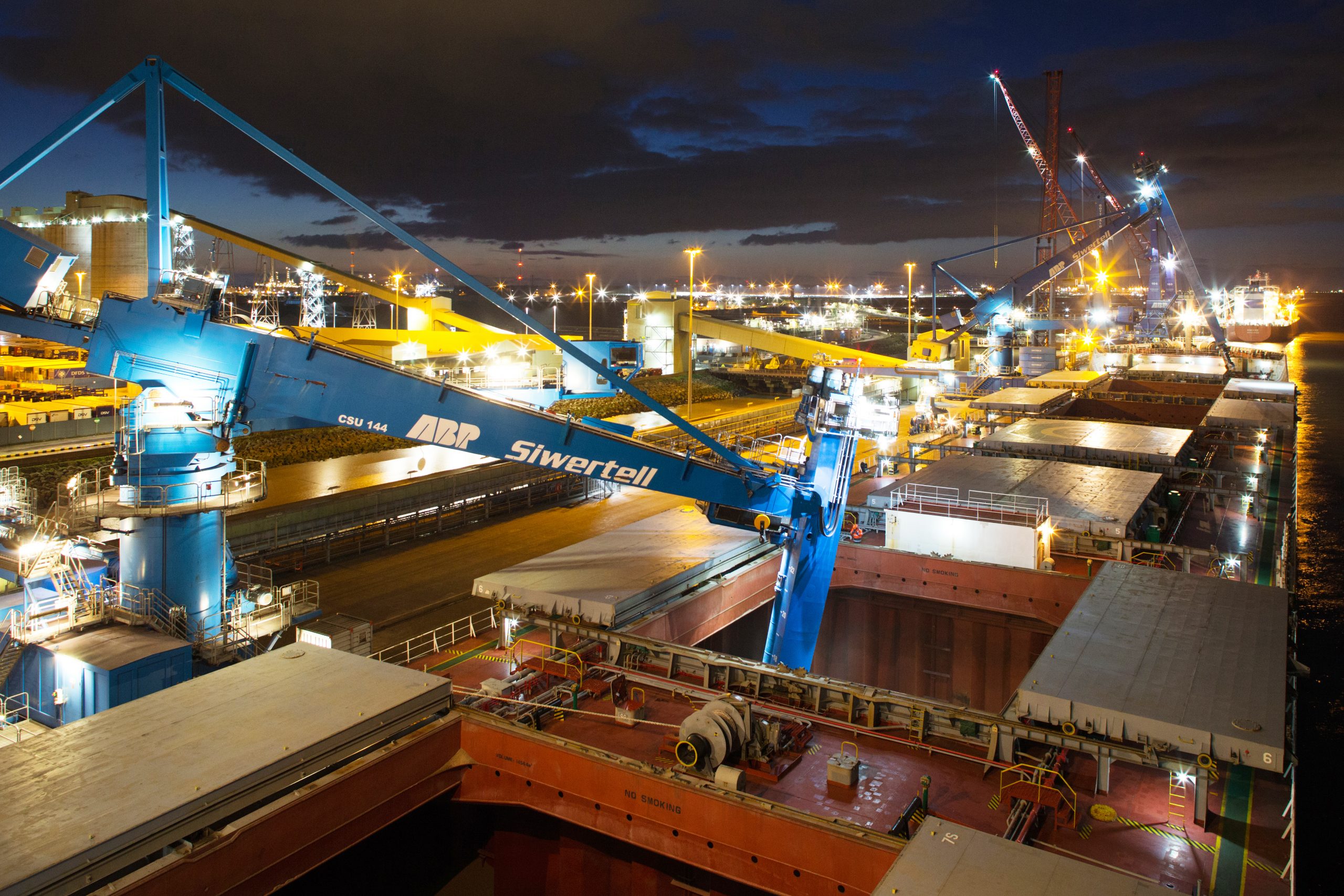
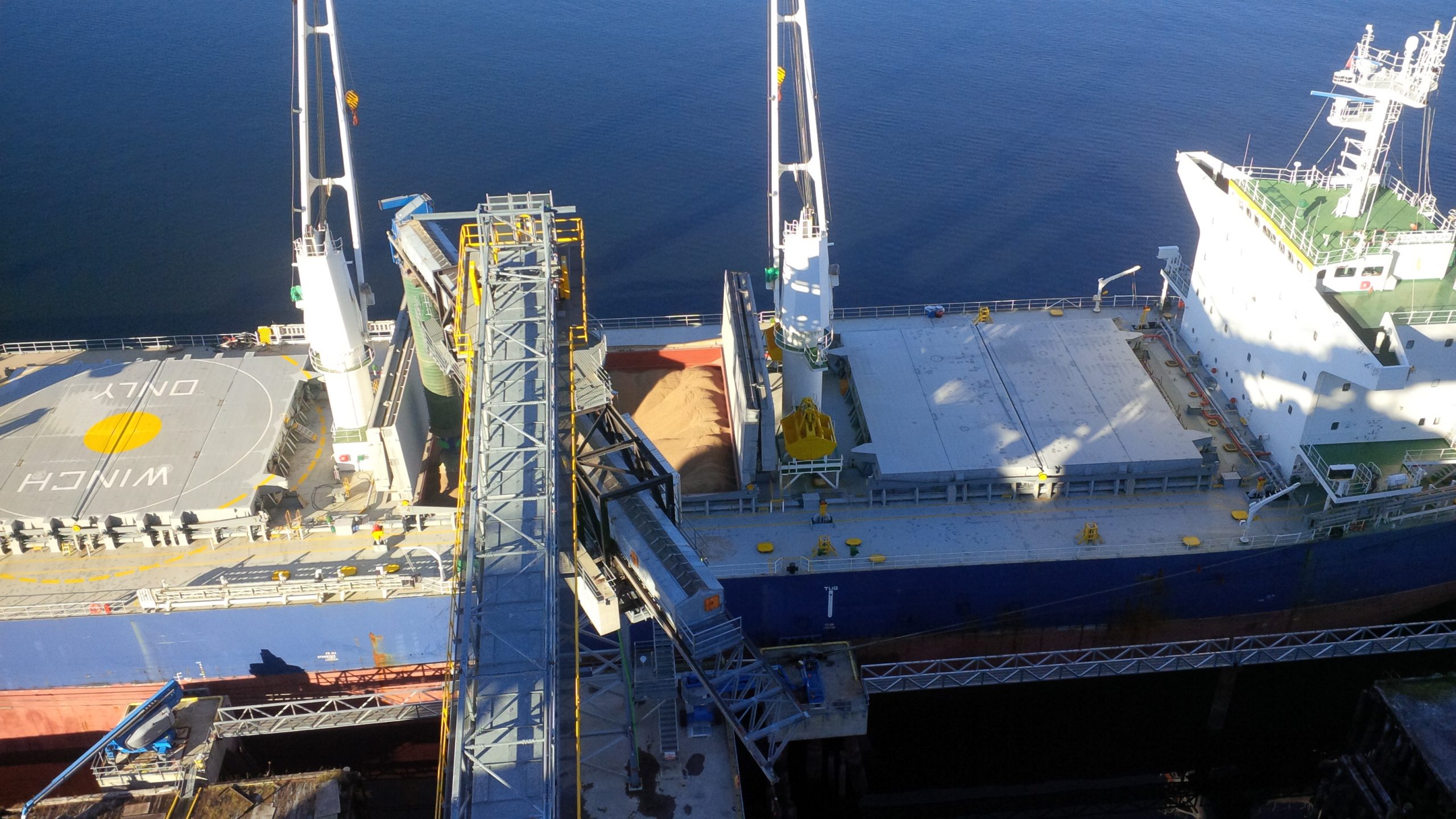
Sustainable biomass wood pellets destined for Drax Power Station unloaded from the Zheng Zhi bulk carrier at ABP Immingham [Click to view/download]
Just last week Associated British Ports (ABP) and Drax received and unloaded the largest ever shipment of sustainable biomass to arrive at the Port of Immingham in the UK’s Humber region. The vessel transported 63,907 tonnes of Drax’s wood pellets from the US Port of Greater Baton Rouge in Louisiana. The consignment supplies Drax Power Station with enough renewable fuel to generate electricity for 1.3 million homes.
Our three wood pellet manufacturing plants are running well, with US authorities classifying our employees as key workers. The same is the case for our rail freight partners on both sides of the Atlantic. In the UK, GB Railfreight recognises the strategic importance of biomass deliveries to Drax Power Station.
Businesses – both large and small – are feeling the economic effects of this virus. Our employees involved with the supply of electricity, gas and energy services to organisations are working hard to support them. More information can be found via these links:
We are working closely with BEIS, HM Treasury and our trade associations to explore how government and industry can further support business through this challenging time. Organisations facing financial difficultly can access the unprecedented level of support already announced by the Chancellor, Rishi Sunak via:

Drax employee in high visibility clothing on the telephone [Click to view/download]
Our Executive Committee is meeting regularly via video conference to discuss our contingency planning as the situation changes. We are working closely with the UK, US state and Canadian governments, National Grid and Ofgem to ensure that we remain up to date with the latest advice and that we are prepared for any further escalation.
This is an unprecedented time for the UK and the world. Rest assured that Drax’s critical national infrastructure and essential service operations, as well as its employees, are working hard 24/7 to make sure individuals, families, businesses and organisations are supplied with the vital electricity needed to keep the country running.
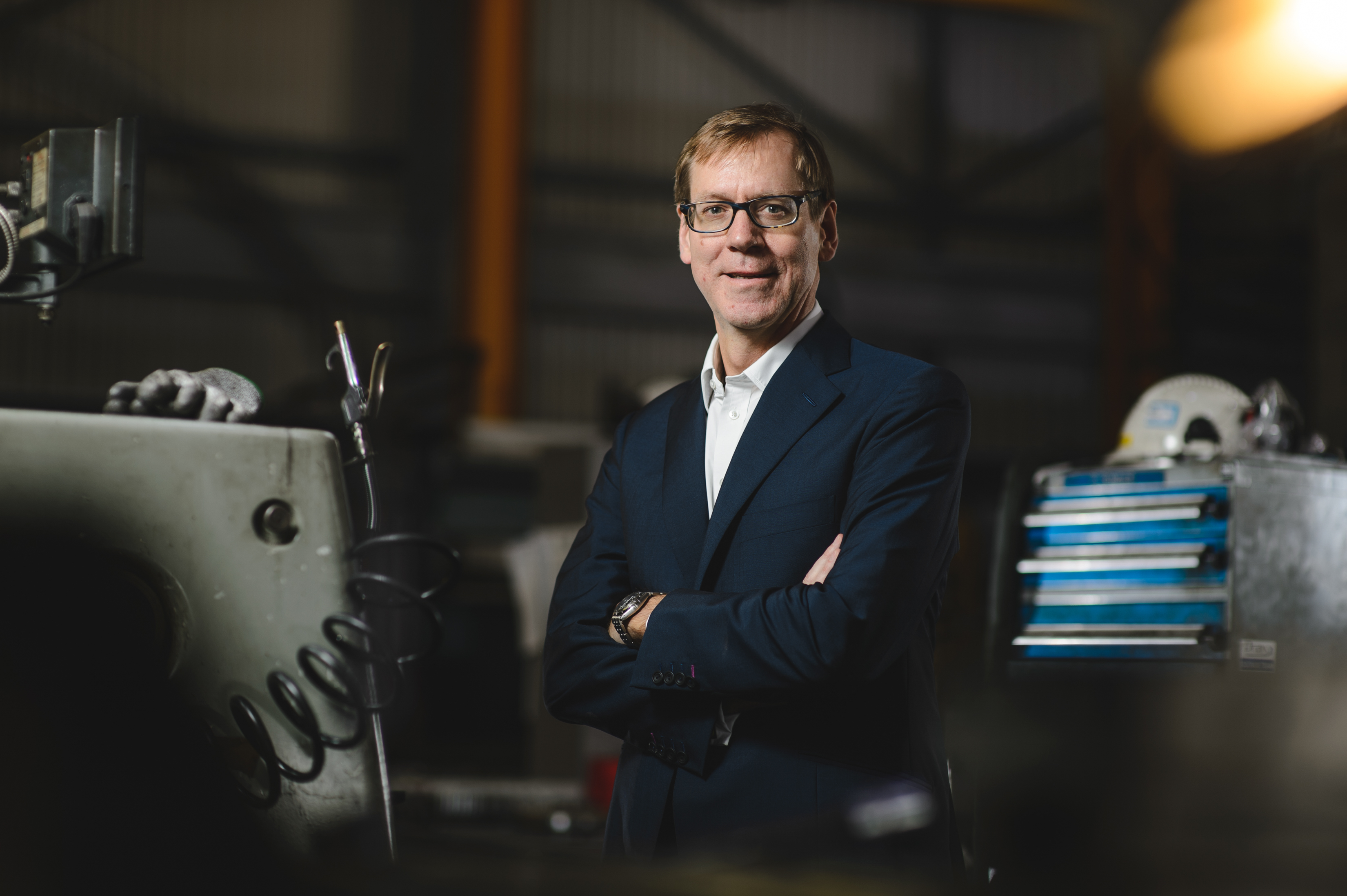
Climate change is the biggest challenge of our time and Drax has a crucial role in tackling it.
All countries around the world need to reduce carbon emissions while at the same time growing their economies. Creating enough clean, secure energy for industry, transport and people’s daily lives has never been more important.
Drax is at the heart of the UK energy system. Recently the UK government committed to delivering a net-zero carbon emissions by 2050 and Drax is equally committed to helping make that possible.
We’ve recently had some questions about what we’re doing and I’d like to set the record straight.
At Drax we’re committed to a zero-carbon, lower-cost energy future.
And we’ve accelerated our efforts to help the UK get off coal by converting our power station to using sustainable biomass. And now we’re the largest decarbonisation project in Europe.
We’re exploring how Drax Power Station can become the anchor to enable revolutionary technologies to capture carbon in the North of England.
And we’re creating more energy stability, so that more wind and solar power can come onto the grid.
And finally, we’re helping our customers take control of their energy – so they can use it more efficiently and spend less.
No. Since 2012 we’ve reduced our CO2 emissions by 84%. In that time, we moved from being western Europe’s largest polluter to being the home of the largest decarbonisation project in Europe.
And we want to do more.
We’ve expanded our operations to include hydro power, storage and natural gas and we’ve continued to bring coal off the system.
By the mid 2020s, our ambition is to create a power station that both generates electricity and removes carbon from the atmosphere at the same time.
Our energy system is changing rapidly as we move to use more wind and solar power.
At the same time, we need new technologies that can operate when the wind is not blowing and the sun is not shining.
A new, more efficient gas plant can fill that gap and help make it possible for the UK to come off coal before the government’s deadline of 2025.
Importantly, if we put new gas in place we need to make sure that there’s a route through for making that zero-carbon over time by being able to capture the CO2 or by converting those power plants into hydrogen.
No.
Sustainable biomass from healthy managed forests is helping decarbonise the UK’s energy system as well as helping to promote healthy forest growth.
Biomass has been a critical element in the UK’s decarbonisation journey. Helping us get off coal much faster than anyone thought possible.
The biomass that we use comes from sustainably managed forests that supply industries like construction. We use residues, like sawdust and waste wood, that other parts of industry don’t use.
We support healthy forests and biodiversity. The biomass that we use is renewable because the forests are growing and continue to capture more carbon than we emit from the power station.
What’s exciting is that this technology enables us to do more. We are piloting carbon capture with bioenergy at the power station. Which could enable us to become the first carbon-negative power station in the world and also the anchor for new zero-carbon cluster across the Humber and the North.
I took this job because Drax has already done a tremendous amount to help fight climate change in the UK. But I also believe passionately that there is more that we can do.
I want to use all of our capabilities to continue fighting climate change.
I also want to make sure that we listen to what everyone else has to say to ensure that we continue to do the right thing.

Around the world industries are undergoing profound change. The phrase ‘Industry 4.0’ describes this emerging era when the combination of data and automation is transforming long-established practices and business models.
Autonomous cars are perhaps one of most widely-known examples of ‘smart’ technology slowly inching towards daily life, but they are far from the only example. There is almost no sector untouched by this oncoming digital disruption – even industries as old as forestry are being transformed.
From smart and self-driving vehicles to data-crunching drones, Forestry 4.0 is ushering in a new era for efficient and sustainable forest management.
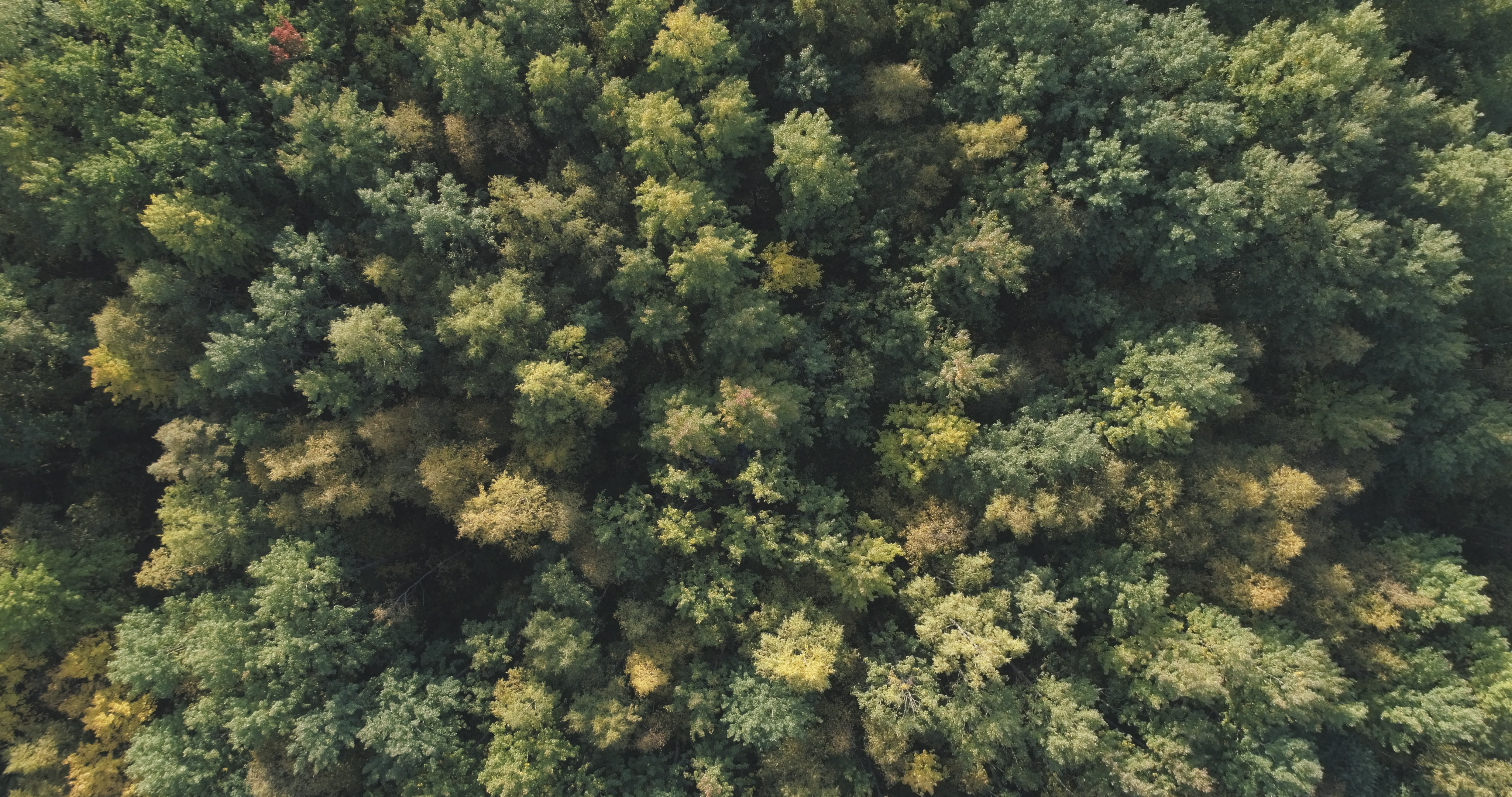
If the first industrial revolution was powered by steam, the fourth is being powered by data. Collecting information on every aspect of a process allows smart devices and machines to cut out inefficiencies and optimise a task.
In forestry, capturing and utilising huge amounts of data can build a better understanding of the land and trees that make up forests. One of the best ways to gather this data from wide, complex landscapes is through aerial imaging.
Satellites have long been used to monitor the changing nature of the world’s terrain and in 2021, the European Space Agency plans to use radar in orbit to weigh and monitor the weight of earth’s forests. But with the rise of drones, aerial imagining technology is becoming more widely accessible. Now even small-scale farmers and foresters can take a birds-eye view of their land.
Oxford-based company BioCarbon Engineering focuses on replanting areas of forests. It utilises drone technology to scan environments and identify features such as obstacles and terrain types which it uses to design and optimise planting patterns.
A drone then follows this path roughly three to six feet off the ground, shooting biodegradable seed pods into the ground every six seconds along the way. BioCarbon claims this approach can allow it to plant as many as 100,000 trees in a single day.
Gathering data on the health of working forests doesn’t necessarily require cutting-edge equipment either. In the smartphone era, any forestry professional now has the computing power in their pocket to capture detailed information about a forest’s condition.

Mobile app MOTI was designed by researchers at the School of Agricultural, Forest and Food Sciences at the Bern University of Applied Sciences in Switzerland. It allows users to scan an area of forest with a phone’s camera and receive calculated-estimates on variables such as trees per hectare, tree heights and the basal area (land occupied by tree trunks).
Capturing data from forests can play a huge part in developing a better understanding of the land, terrain and trees of working forests, which leads to better decision making for healthier forests, including how and when to harvest and thin. But the equipment and technology carrying out these tasks on the ground are also undergoing smart-tech transformations.
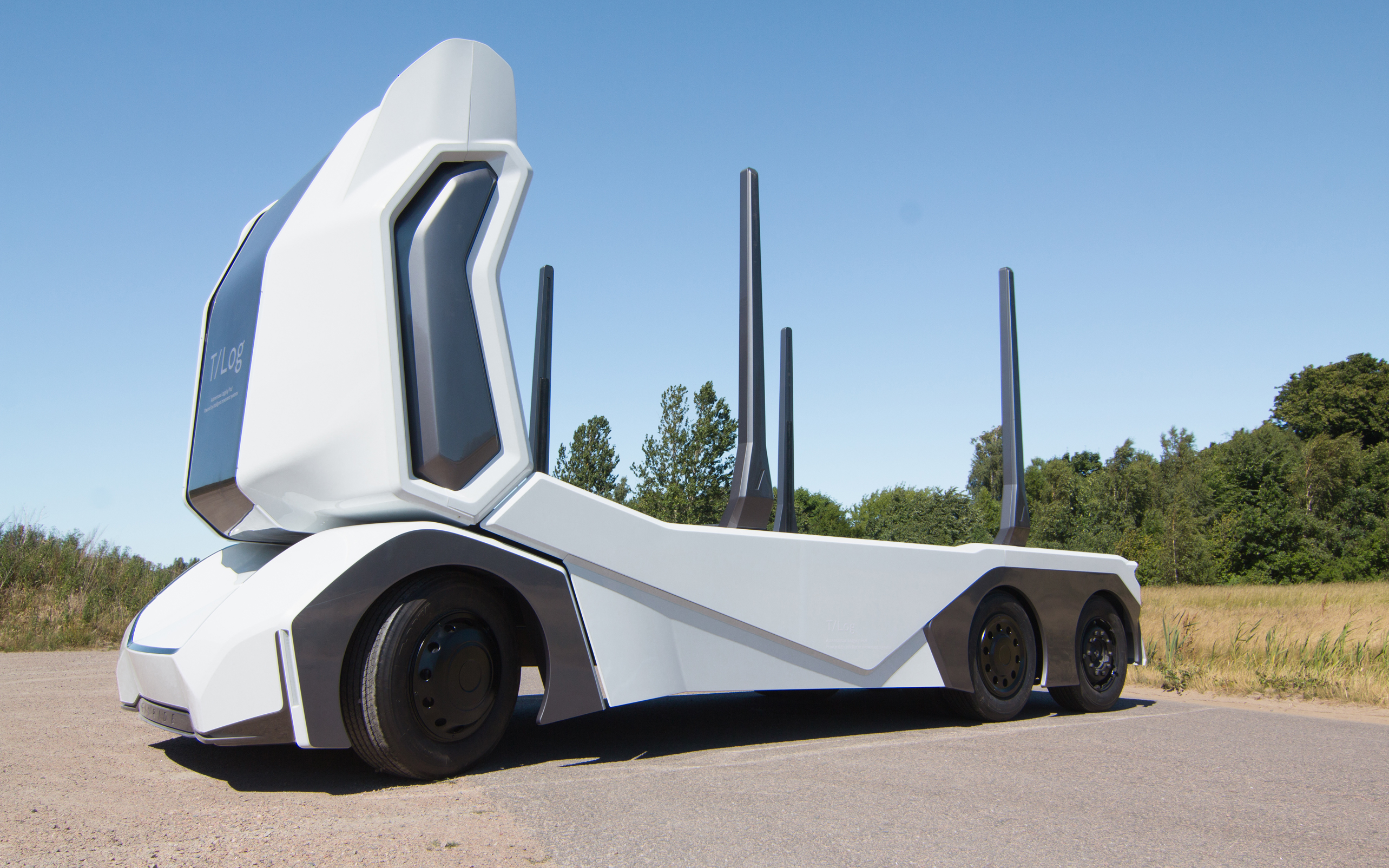
Self-driving and electric vehicles are expected to disrupt multiple industries, including forestry. Swedish startup Einride, recently unveiled a driverless, fully electric truck that can haul as much as 16-tonnes of lumber and is specially designed for off-road, often unmapped, terrain.
There are some pieces of equipment, however, that will be harder to fully automate – for example, harvesters, which are used to fell and remove trees. Their long, digger-like arm normally features a head consisting of a chainsaw, claw-grips and rollers all in one, which are controlled from the vehicle’s cab.
Even as image recognition and sensors improve, automating these types of machines entirely is hugely challenging. An ideal use of artificial intelligence (AI) would be enabling a harvester to identify trees of a particular age or species to remove as part of thinning, for example, without disturbing the rest of the forest. However, trees of the same species and age can differ from each other depending on factors such as regional climates, soil and even lighting at the time of analysis.
This makes programming a machine to harvest a specific species and age of tree is very difficult. Nevertheless, innovation such as intelligent boom control – as John Deere is exploring – can help human operators automate movements and make harvesting safer and more efficient.
Forestry has always changed as technology has advanced – from the invention of the axe to the incorporation of ecology – and the digital revolution is no different. Smart sensors and deeper data will, ultimately, help optimise the lifecycle, biodiversity and health of managed forests.
With thanks to the Institute of Chartered Foresters for inviting us to attend its 2018 National Conference in May – Innovation for Change: New drivers for tomorrow’s forestry.
View here