Tag: wood pellets

From Princeton, for Princeton: our commitment to local wood pellet supply

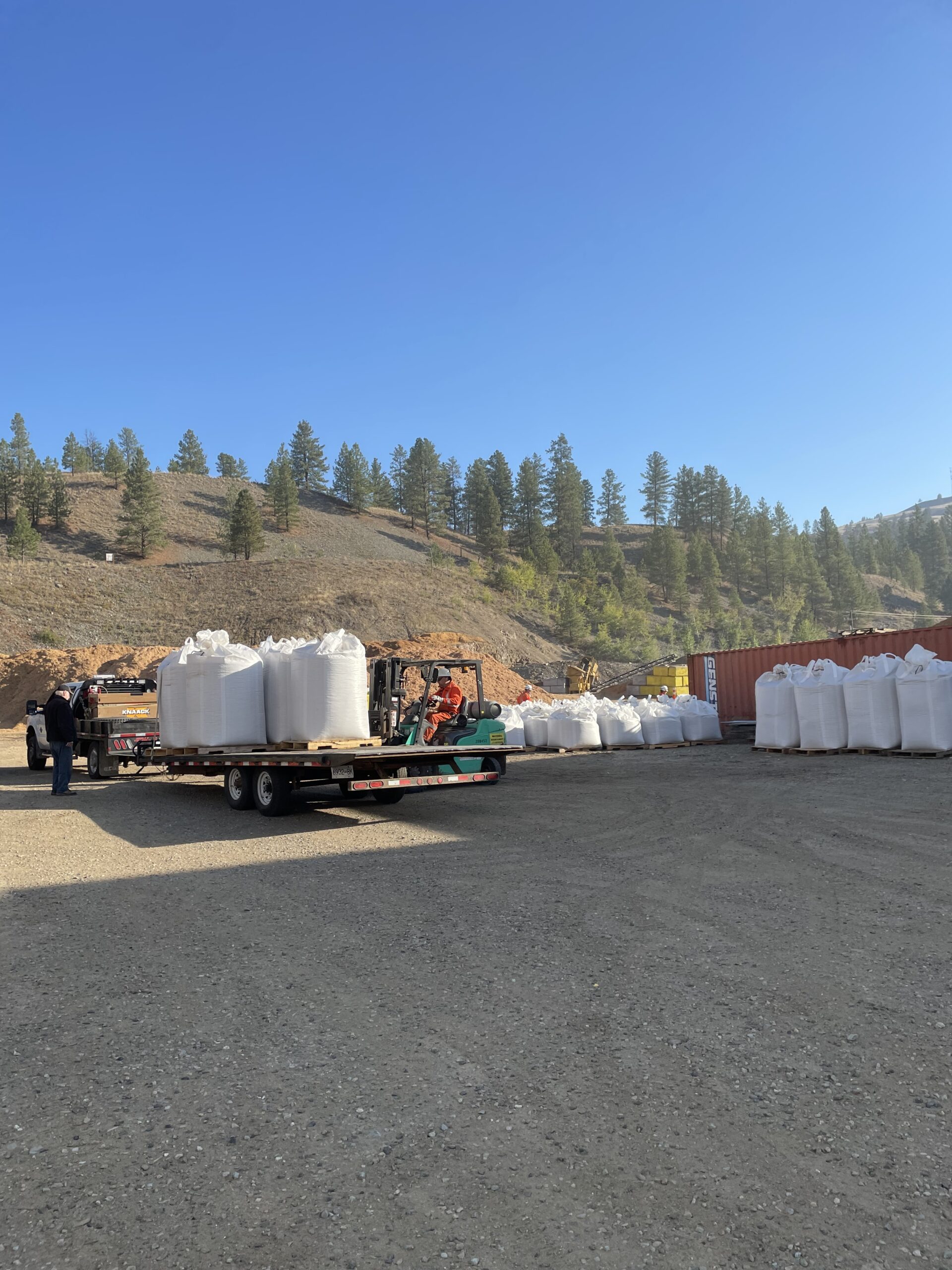
As part of our commitment to support local communities, Drax has organized three community pellet sales days at our Princeton plant. These days are an effort to ensure our neighbours in Princeton can enjoy a safe and warm heating season.

At Drax, safety is our top priority. With our bagging line closing, we want to ensure that community members can access pellets to heat their homes in a safe manner.

“Drax is committed to producing local pellets for our local community,” said Liezl van Wyk, VP of Northern Operations for Drax. “We’re committed to producing for Princeton and working with the community to find a distributor to sell our pellets locally.”

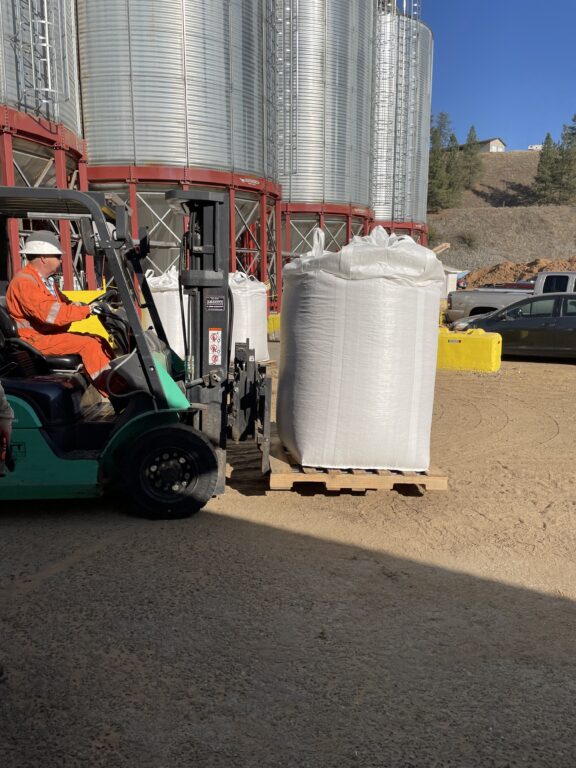
Our community pellet sales days offer half tonne or one tonne totes of pellets at a wholesale rate to our local Princeton community. At our September 15 sales day our plant team sold over 60 units.

“The day was a complete success – the customers were great and our Drax team’s presence was a big part of why the day went so well!” said Princeton Plant Manager Richard White.

The interest was so high that many community members showed up before we officially opened and sold us out of the 24 totes the plant team had pre-filled the day before.

Our remaining community pellet sales days are scheduled for October 13 and November 17. Community members can purchase half tonne totes for $125 or one tonne totes for $250. Our plant team will assist our community members in loading the totes onto their trailers or pickup trucks.

Acquisition of 90,000 tonnes Canadian pellet plant

RNS Number: 8081U
Drax Group plc
(“Drax” or the “Group”; Symbol:DRX)


The plant, which has been operating since 1995, has the capacity to produce 90,000 tonnes of wood pellets a year, primarily from sawmill residues. Around half of the output from the plant is currently contracted to Drax.

The plant is located close to the Group’s Armstrong and Lavington plants and the port of Vancouver, and has 32 employees, who are expected to join Drax.

Following completion of the acquisition the plant is expected to contribute to the Group’s strategy to increase pellet production to 8 million tonnes a year by 2030.

The acquisition is expected to complete in Q3 2022.

Drax CEO, Will Gardiner

Will Gardiner, Drax Group CEO said:

“We look forward to welcoming the Princeton pellet plant team to Drax Group as we continue to build our global pellet production and sales business, supporting UK security of supply and increasing pellet sales to third parties in Asia and Europe as they displace fossil fuels from energy systems. Drax’s strategy to become a world leader in sustainable biomass, supports international decarbonisation goals and puts Drax at the heart of the global, green energy transition.”

Enquiries:

Drax Investor Relations: Mark Strafford
+44 (0) 7730 763 949

Media:

Drax External Communications: Ali Lewis
+44 (0) 7712 670 888

Website: www.Drax.com

END

View RNS here

Supporting a circular economy in the forests

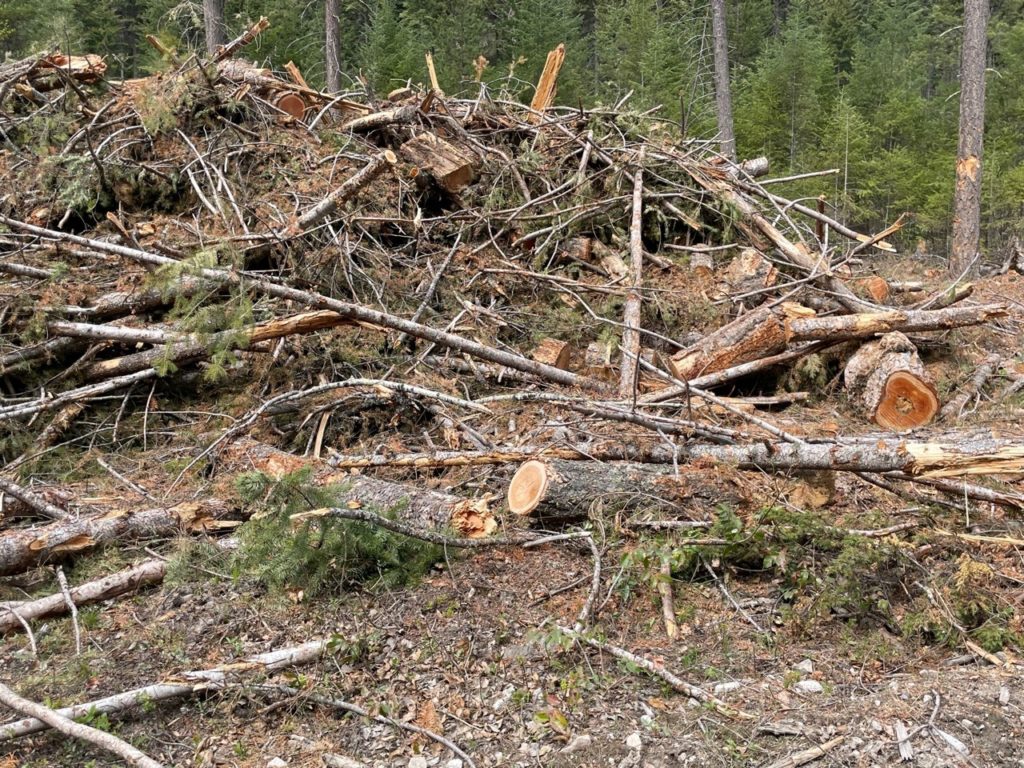
Every year in British Columbia, millions of tonnes of waste wood – known in the industry as slash – is burned by the side of the road.

Land managers are required by law to dispose of this waste wood – that includes leftover tree limbs and tops, and wood that is rotten, diseased and already fire damaged – to reduce the risks of wildfires and the spread of disease and pests.

The smoke from these fires is choking surrounding communities – sometimes “smoking out entire valleys,” air quality meteorologist from BC’s Environment Ministry Trina Orchard recently told iNFOnews.ca.

It also impacts the broader environment, releasing some 3 million tonnes of CO2 a year into the atmosphere, according to some early estimates.

Slash pile in British Columbia

Landfilling this waste material from logging operations isn’t an option as it would emit methane – a greenhouse gas that is about 25 times more potent than CO2. So you can see why it ends up being burned.

In its Modernizing Forest Policy in BC, the government has already identified its intention to phase out the burning of this waste wood left over after harvesting operations and is working with suppliers and other companies to encourage the use of this fibre.

This is a very positive move as this material must come out of the forests to reduce the fuel load that can help wildfires grow and spread to the point where they can’t be controlled, let alone be extinguished.

The wildfire risk is real and growing. Each year more forests and land are destroyed by wildfire, impacting communities, nature, wildlife and the environment.

In the past two decades, wildfires burned two and a half times more land in BC than in the previous 50-year period. According to very early estimates, emissions from last year’s wildfires in the province released around 150 million tonnes of CO2 – equivalent to around 30 million cars on the road for a year.

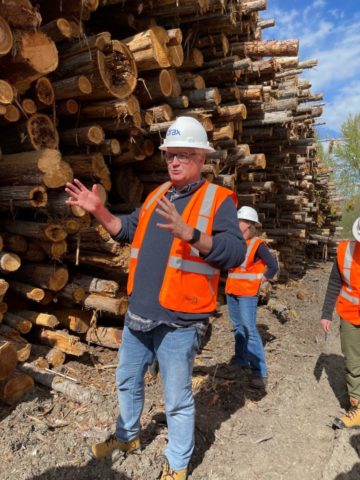
Alan Knight at the log yard for Lavington Pellet Mill in British Columbia

During my recent trip to British Columbia in Canada, First Nations, foresters, academics, scientists and government officials all talked about the burning piles of waste wood left over after logging operations.

Rather than burning it, it would be far better, they say, to use more of this potential resource as a feedstock for pellets that can be used to generate renewable energy, while supporting local jobs across the forestry sector and helping bolster the resilience of Canada’s forests against wildfire.

I like this approach because it brings pragmatism and common sense to the debate over Canada’s forests from the very people who know the most about the landscape around them.

Burning it at the roadside is a waste of a resource that could be put to much better use in generating renewable electricity, displacing fossil fuels, and it highlights the positive role the bioenergy industry can play in enhancing the forests and supporting communities.

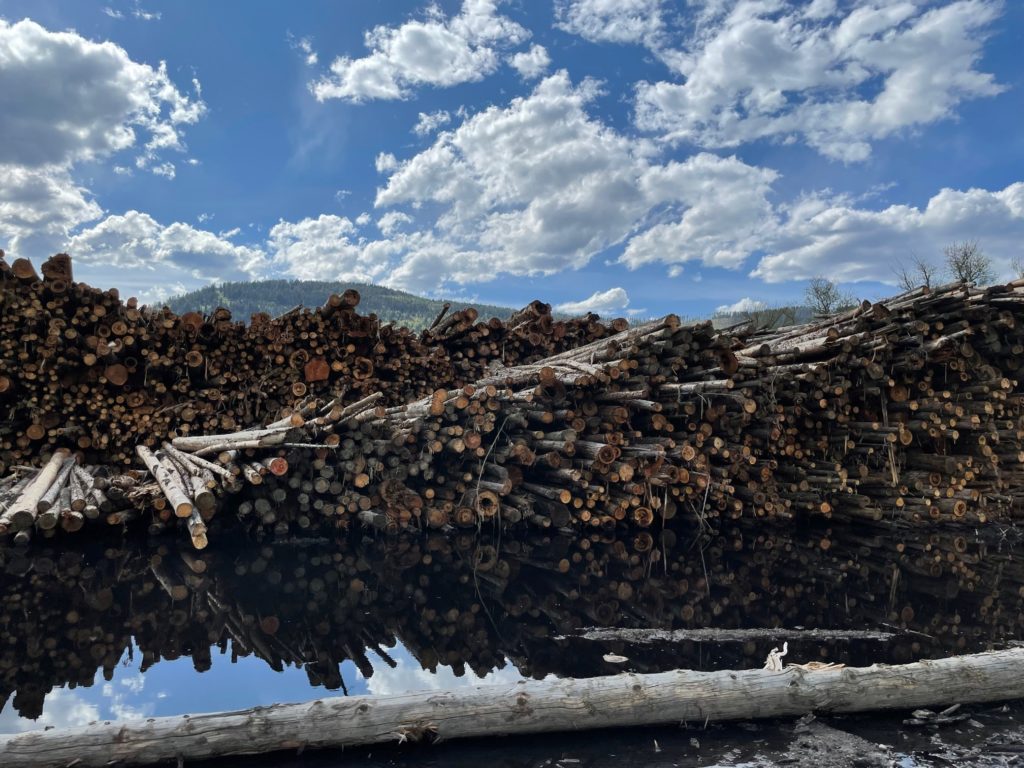
Drax is already using some of this waste wood – which I saw in the log yard for our Lavington Pellet mill in British Columbia. This waste wood comprises around 20% of our feedstock. The remaining 80% comes from sawmill residues like sawdust, chips and shavings.

Waste wood for pellets at Lavington Pellet Mill log yard

It’s clear to me that using this waste material that has little other use or market value to make our pellets is an invaluable opportunity to deliver real benefits for communities, jobs and the environment while supporting a sustainable circular economy in the forestry sector.

Refinancing of Pinnacle Debt with Lower Cost ESG Facility

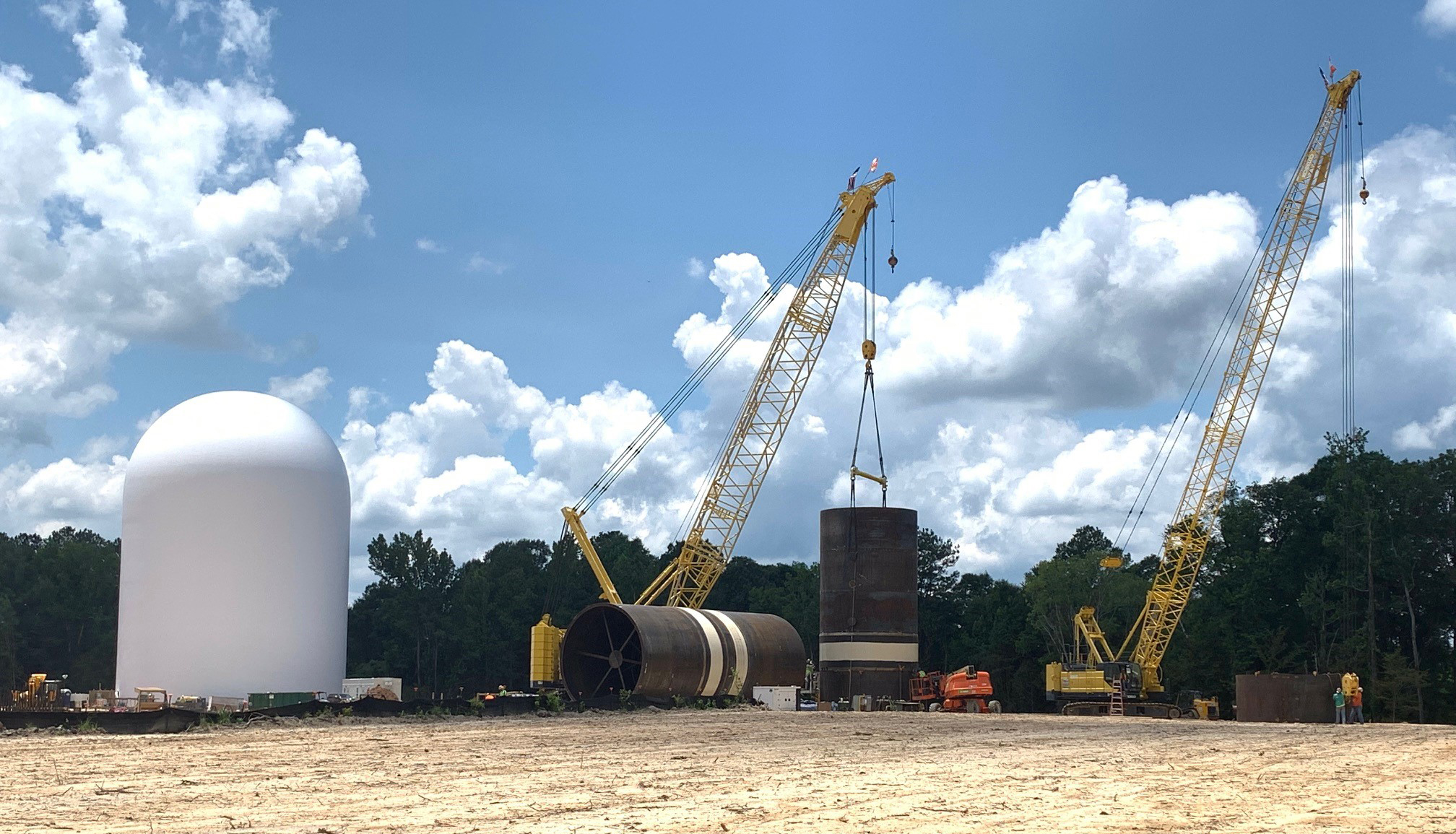
Demopolis wood pellet plant being constructed

RNS Number: 9930E
Drax Group plc
(“Drax” or the “Group”; Symbol:DRX)

Drax is pleased to announce that it has completed the refinancing of the Canadian dollar facilities it acquired as part of the Group’s acquisition of Pinnacle Renewable Energy Inc. (Pinnacle) in April 2021.

The new C$300 million term facility (“the Facility”) matures in 2024, with an option to extend by two years(1), and has a customary margin grid referenced over CDOR(2).

A Pinnacle wood pellet plant

A Pinnacle wood pellet plant

The Facility reduces further the Group’s all-in cost of debt to below 3.5% and includes an embedded ESG component which adjusts the margin payable based on Drax’s carbon intensity measured against an annual benchmark.

The Facility, along with surplus cash, replaces Pinnacle’s approximately C$435 million facilities which had a cost of over 5.5%.

Enquiries

Drax Investor Relations: Mark Strafford

+44 (0) 7730 763 949

Media

Drax External Communications: Ali Lewis

+44 (0) 7712 670 888

Website: www.Drax.com

END

The world’s leading sustainable biomass generation and supply business

Today we completed a transformational deal – our acquisition of Canadian biomass pellet producer Pinnacle Renewable Energy.

I’m very excited about this important acquisition and welcoming our new colleagues to the Drax family – together we will build on what we have already achieved, having become the biggest decarbonisation project in Europe and the UK’s largest single site renewable power generator as a result of us using sustainable biomass instead of coal.

The deal positions Drax as the world’s leading sustainable biomass generation and supply business – making us a truly international business, trading biomass from North America to Europe and Asia. It also advances our strategy to increase our self supply, reduces our biomass production costs and creates a long-term future for sustainable biomass – a renewable energy source that the UN’s IPCC says will be needed to achieve global climate targets.

It’s also an important milestone in Drax’s ambition to become a carbon negative company by 2030 and play an important role in tackling the global climate crisis with our pioneering negative emissions technology BECCS.

That’s because increasing our annual production capacity of sustainable biomass while also reducing costs helps pave the way for our plans to use bioenergy with carbon capture and storage (BECCS) at Drax.

Negative emissions from BECCS are vital to address the global climate emergency while also providing the renewable electricity needed for a net zero economy, supporting jobs and clean growth in a post-Covid recovery.
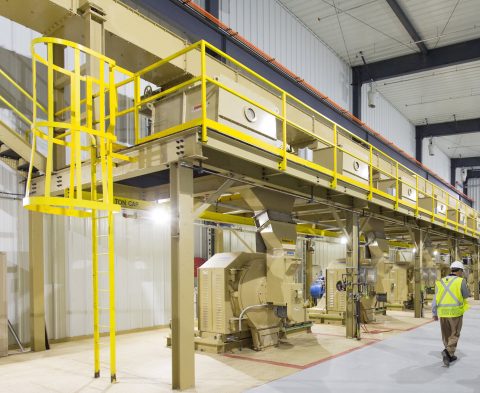
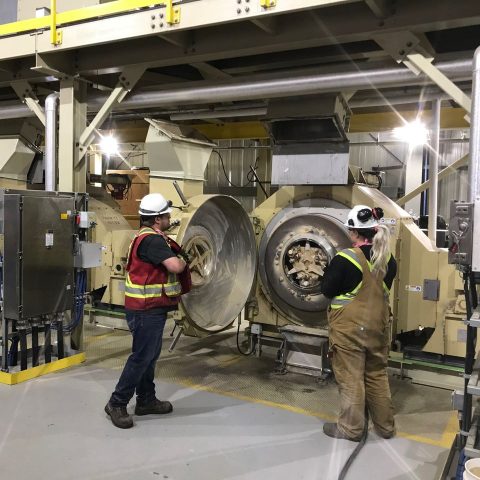
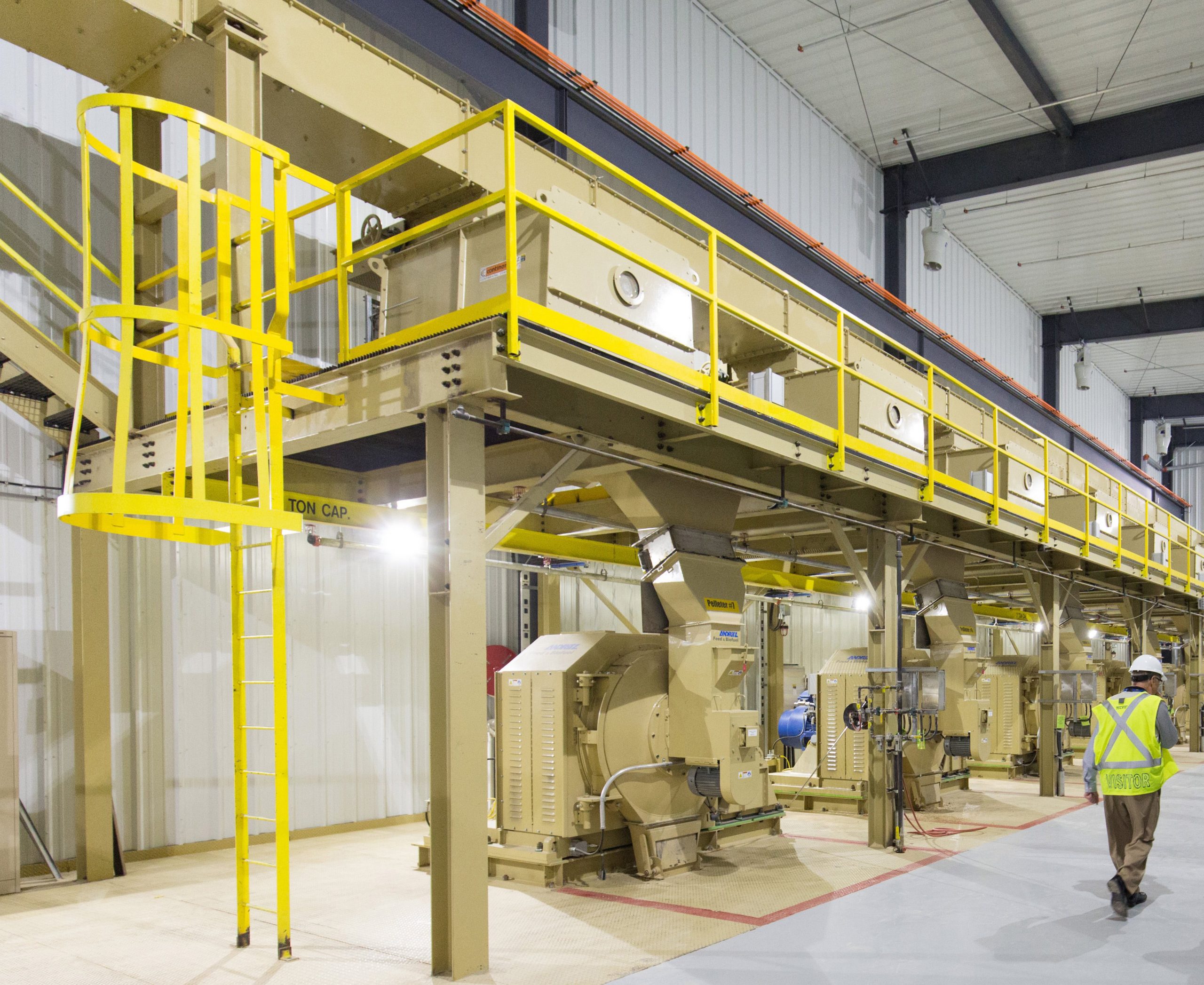
Inside a Pinnacle pellet mill

Inside a Pinnacle pellet mill

We already know Pinnacle well – it is one of our key suppliers and the company is a natural fit with Drax.

Our new colleagues have a wealth of operational and commercial expertise so I’m looking forward to seeing what we can achieve together.

We will benefit from Pinnacle’s scale, operational efficiency and low-cost fibre sourcing, that includes a high proportion of sawmill residues. In 2019, Pinnacle’s production cost was 20% lower than Drax’s.

Completing this deal will increase our annual production capacity to 4.9 million tonnes of sustainable biomass pellets at 17 plants in locations across Western Canada and the US South – up from 1.6Mt now.

It also expands our access to three major North American fibre baskets and four export facilities, giving us a large and geographically diversified asset base, which enhances our sourcing flexibility and security of supply.

This positions us well to take advantage of the global growth opportunities for sustainable biomass. The market for biomass wood pellets for renewable generation in Europe and Asia is expected to grow in the current decade, principally driven by demand in Asia.
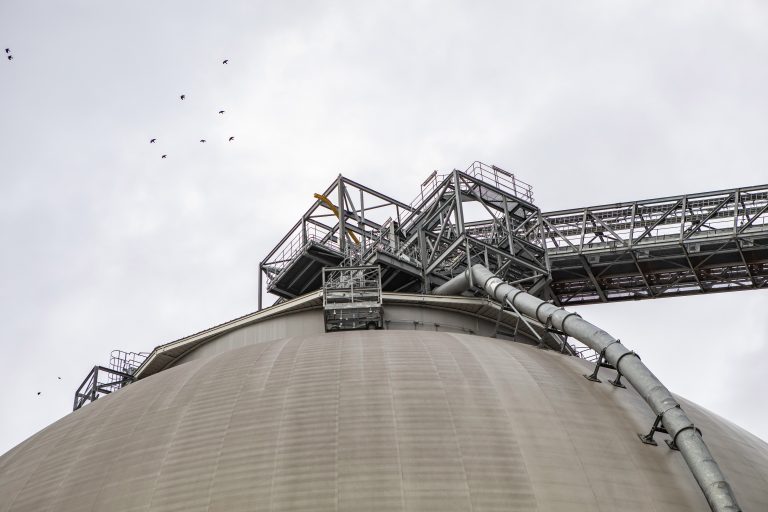
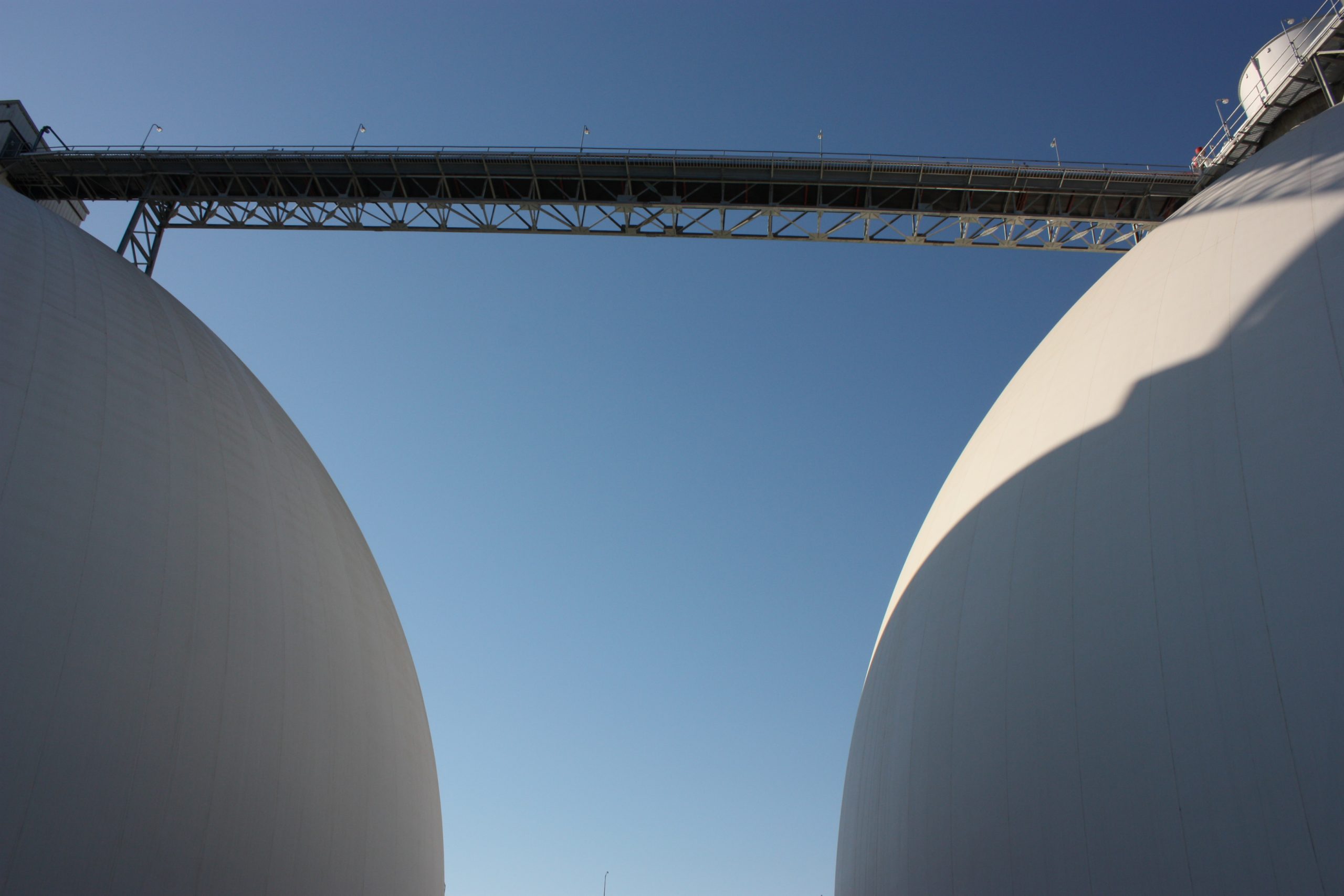
Biomass wood pellet storage dome, Drax Power Station

Biomass wood pellet storage dome, Drax Power Station

We believe that with increasingly ambitious global decarbonisation targets, the need for negative emissions and improved understanding of the role that sustainably sourced biomass can play, will result in continued robust demand.

Pinnacle is already a key supplier of wood pellets to other markets with C$6.7 billion of long-term contracts with high quality Asian and European customers, including Drax, and a significant volume contracted beyond 2027.

Drax aims to leverage Pinnacle’s trading capability across its expanded portfolio. We believe that the enlarged supply chain will provide greater opportunities to optimise the supply of biomass from its own assets and third-party suppliers.

The transport and shipping requirements of the enlarged company will provide further opportunities to optimise delivery logistics, helping to reduce distance, time, carbon footprint and cost.
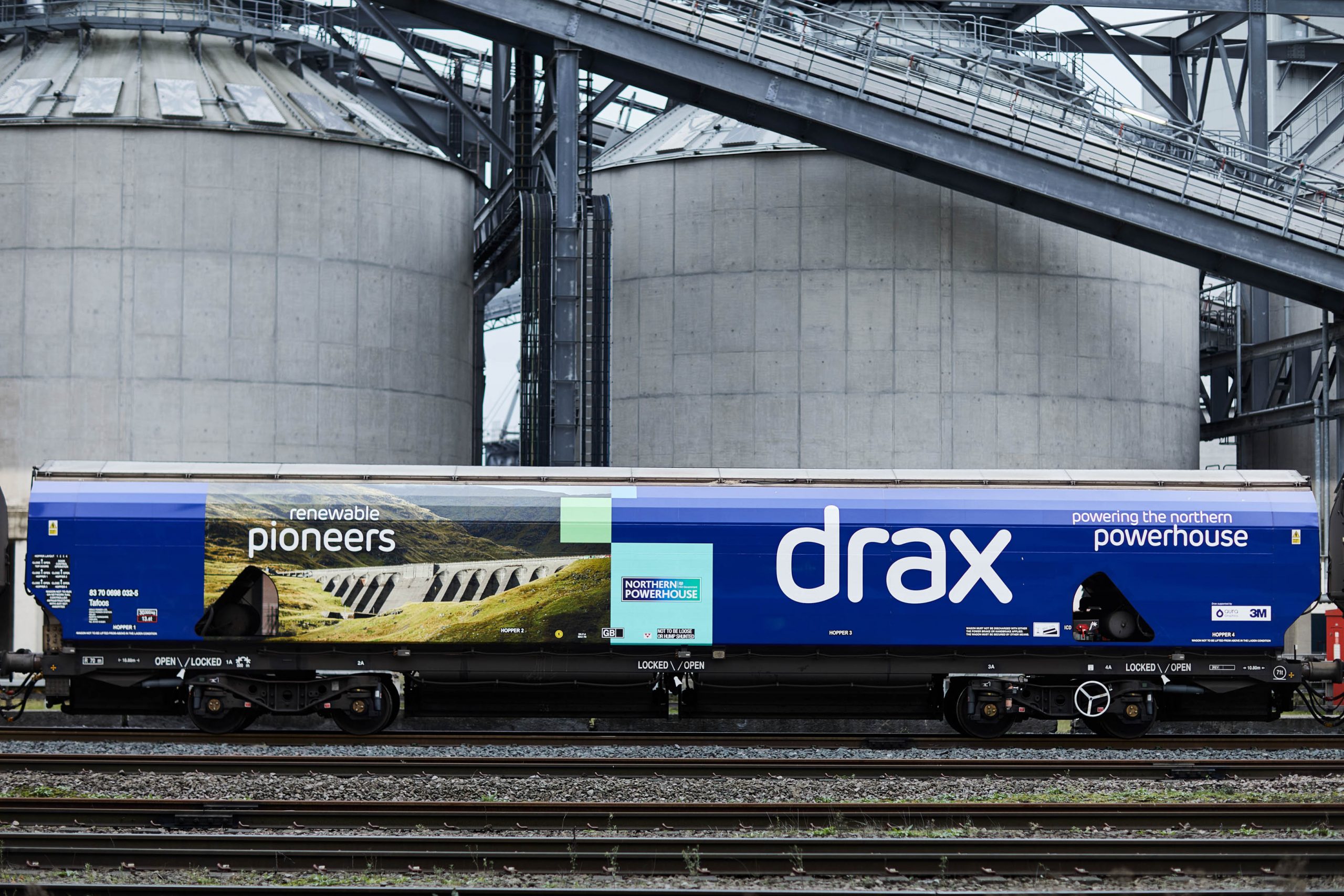
Train transporting biomass wood pellets arriving at Drax Power Station

Importantly – there will also be opportunities to share best practice and drive sustainability standards higher across the group.

We recognise that the forest landscape in British Columbia and Alberta is different to the commercially managed forests in the south eastern US where we currently operate.

In line with our world leading responsible sourcing policy, Drax will work closely with environmental groups, Indigenous First Nation communities and other stakeholders and invest to deliver good environmental, social and climate outcomes in Pinnacle’s sourcing areas.

We are determined to create a long-term future for sustainable biomass and deliver BECCS –  the negative emissions technology that will be needed around the world to meet global climate targets. The acquisition of Pinnacle takes us a big step forward in achieving our goals.


Read press release: Drax completes acquisition of Pinnacle Renewable Energy Inc.



Completion of the acquisition of Pinnacle Renewable Energy Inc.

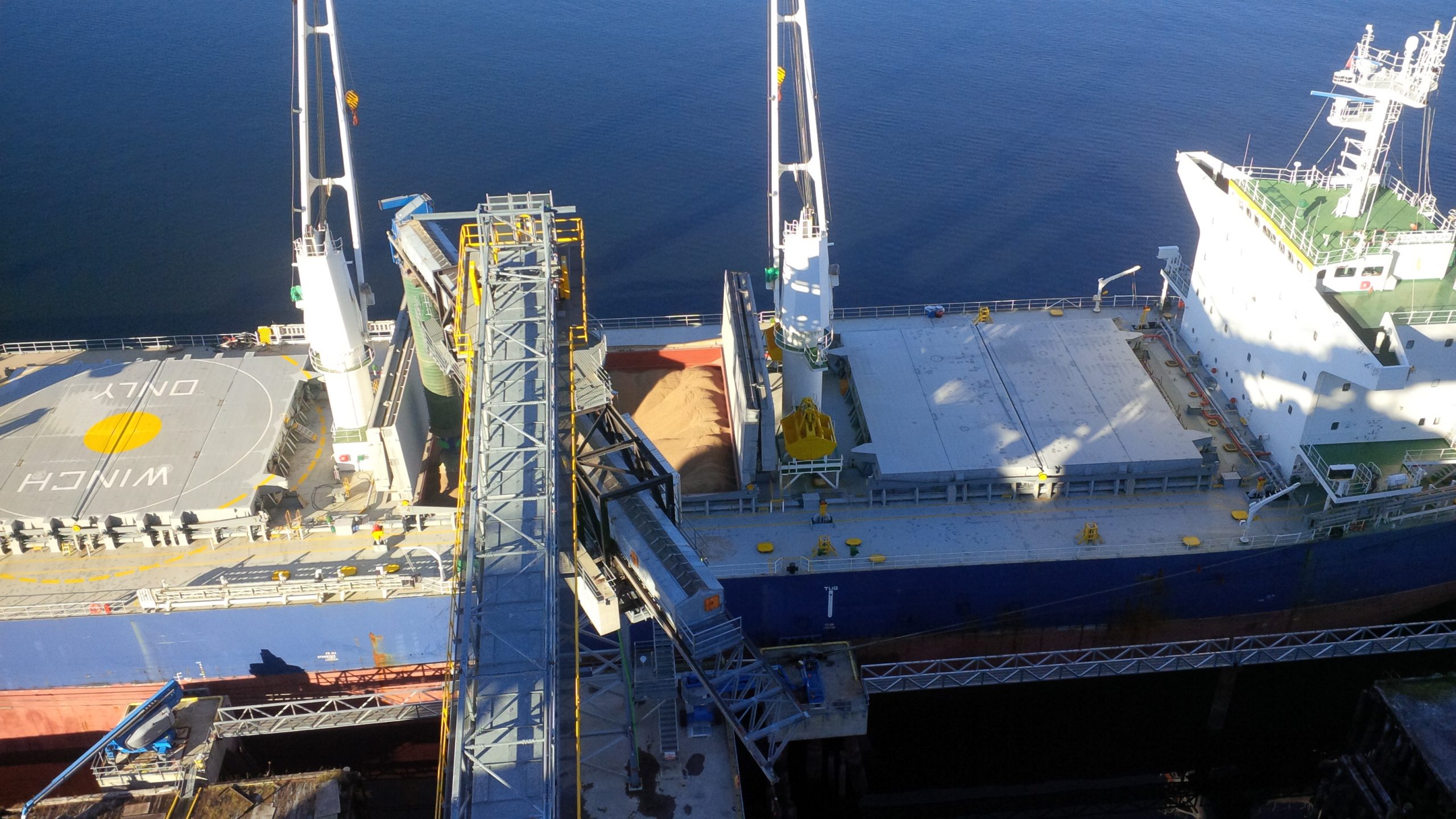
Pinnacle named ship

RNS Number : 2689V 
Drax Group plc
(“Drax” or the “Group”; Symbol:DRX)

Drax is pleased to announce that it has completed the acquisition of the entire issued share capital of Pinnacle Renewable Inc.

The Acquisition was originally announced on 8 February 2021.

Enquiries:

Drax Investor Relations: Mark Strafford

+44 (0) 7730 763 949

Media:

Drax External Communications: Ali Lewis

+44 (0) 7712 670 888


Satisfaction / waiver of conditions in relation to the proposed acquisition of Pinnacle Renewable Energy Inc.

RNS Number : 6420U
Drax Group plc
(“Drax” or the “Group”; Symbol:DRX)

On 8 February 2021, Drax announced that it had entered into an agreement to acquire the entire issued share capital of Pinnacle Renewable Energy Inc. (the “Acquisition”). On 31 March 2021, Drax announced that the Acquisition had been approved by Drax Shareholders at the General Meeting and Pinnacle announced that the Acquisition had been approved by Pinnacle Shareholders.

Drax is pleased to announce that on 6 April 2021 the Supreme Court of British Columbia granted the Final Order. All of the conditions to the Completion of the Acquisition have now been satisfied or waived (other than conditions which can only be satisfied at Completion) and Completion is expected to occur on 13 April 2021.

Capitalised terms used but not defined in this announcement have the meanings given to them in the Circular.

Enquiries:

Drax Investor Relations: Mark Strafford

+44 (0) 7730 763 949

Media:

Drax External Communications: Ali Lewis

+44 (0) 7712 670 888