


Tag: Will Gardiner

Global collaboration
is key to tackling
the climate crisis

Leaders from 40 countries are meeting today, albeit virtually, as part of President Joe Biden’s Leaders’ Summit on Climate. The event provides an opportunity for world leaders to reaffirm global efforts in the fight against climate change, set a clear pathway to net zero emissions, while creating jobs and ensuring a just transition.

Since taking office President Biden has made bold climate commitments and brought the United States back into the Paris Agreement. Ahead of the two-day summit, he announced an ambitious 2030 emissions target and new Nationally Determined Contributions. The US joins other countries that have announced significant reduction goals. For example, the EU committed to reduce its emissions by at least 55%, also South Korea, Japan and China have all set net-zero targets by mid-century.

Here in the UK, Prime Minister Boris Johnson this week outlined new climate commitments that will be enshrined in law. The ambitious new targets will see carbon emissions cut by 78% by 2035, almost 15 years earlier than previously planned. If delivered, this commitment which is in-line with the recommendations of the Climate Change Committee’s sixth carbon budget will put the UK at the forefront of climate action, and for the first time the targets include international aviation and shipping.

What makes climate change so difficult to tackle is that it requires collaboration from many different parties on a global scale never seen before. As a UK-North American sustainable energy company, with communities on both sides of the Atlantic, at Drax we are keenly aware of the need for thinking that transcends borders, creating a global opportunity for businesses and governments to work together towards a shared climate goal. That’s why we joined other businesses and investors in an open letter supporting the US government’s ambitious climate actions.

Collaboration between countries and industries

It’s widely recognised that negative emissions technologies will be key to global efforts to combat climate change.
At Drax we’re pioneering the negative emissions technology bioenergy with carbon capture and storage (BECCS) at our power station in North Yorkshire, which when up and running in 2027 will capture millions of tonnes of carbon dioxide (CO2) per year, sending it for secure storage, permanently locking it away deep under the North Sea.

Experts on both sides of the Atlantic consider BECCS essential for reaching net zero. The UK’s Climate Change Committee says it will play a major role in removing CO2 emissions that will remain in the UK economy after 2050 from industries such as aviation and agriculture that will be difficult to fully decarbonise. Meanwhile, a report published last year by New York’s Columbia University revealed that rapid development of BECCS is needed within the next 10 years in order to curb climate change and a recent report from Baringa, commissioned by Drax, showed it will be a lot more expensive for the UK to reach its legally binding fifth carbon budget between 2028 and 2031 without BECCS.

A shared economic opportunity

Globally as many as 65 million well-paid jobs could be created through investment in clean energy systems. In the UK, BECCS and negative emissions are not just essential in preventing the impact of climate change but will also be a key component of a post-Covid economy.

Government and private investments in clean energy technologies can create thousands of well-paid jobs, new careers, education opportunities and upskill workforces. Developing BECCS at Drax Power Station, for example, would support around 17,000 jobs during the peak of construction in 2028, including roles in construction, local supply chains and the wider economy. It would also act as an anchor project for the Zero Carbon Humber initiative, which aims to create the world’s first net zero industrial cluster. Developing a carbon capture, usage, and storage (CCUS) and hydrogen industrial cluster could spearhead the creation and support of tens of thousands of jobs across the Humber region and more than 200,000 around the UK in 2039.

Under the Humber Bridge

Additional jobs would be supported and created throughout our international supply chain. This includes the rail, shipping and forestry industries that are integral to rural communities in the US South and Western Canada.

A global company

As a British-North American company, Drax embodies the positive impact that clean energy investments have. We directly employ 3,400 people in the US, Canada, and the UK, and indirectly support thousands of families through our supply chains on both sides of the Atlantic. Drax is strongly committed to supporting the communities where we operate by investing in local initiatives to support the environment, jobs, education, and skills.

From the working forests of the US South and Western Canada to the Yorkshire and Humber region, and Scotland, we have a world-leading ambition to be carbon negative by 2030. At Drax, we believe the challenge of climate change is an opportunity to improve the environment we live in. We have reduced our greenhouse gas emissions by over 80% and transformed into Europe’s largest decarbonisation project. Drax Power Station is the most advanced BECCS project in the world and we stand ready to invest in this cutting-edge carbon capture and removal technology. We can then share our expertise with the rest of the world – a world where major economies are committing to a net zero future and benefiting from a green economic recovery.

If we are to reach the targets set in Paris, global leaders must lock in this opportunity and make this the decade of delivery.
The world’s leading sustainable biomass generation and supply business

Today we completed a transformational deal – our acquisition of Canadian biomass pellet producer Pinnacle Renewable Energy.

I’m very excited about this important acquisition and welcoming our new colleagues to the Drax family – together we will build on what we have already achieved, having become the biggest decarbonisation project in Europe and the UK’s largest single site renewable power generator as a result of us using sustainable biomass instead of coal.

The deal positions Drax as the world’s leading sustainable biomass generation and supply business – making us a truly international business, trading biomass from North America to Europe and Asia. It also advances our strategy to increase our self supply, reduces our biomass production costs and creates a long-term future for sustainable biomass – a renewable energy source that the UN’s IPCC says will be needed to achieve global climate targets.

It’s also an important milestone in Drax’s ambition to become a carbon negative company by 2030 and play an important role in tackling the global climate crisis with our pioneering negative emissions technology BECCS.

That’s because increasing our annual production capacity of sustainable biomass while also reducing costs helps pave the way for our plans to use bioenergy with carbon capture and storage (BECCS) at Drax.

Negative emissions from BECCS are vital to address the global climate emergency while also providing the renewable electricity needed for a net zero economy, supporting jobs and clean growth in a post-Covid recovery.

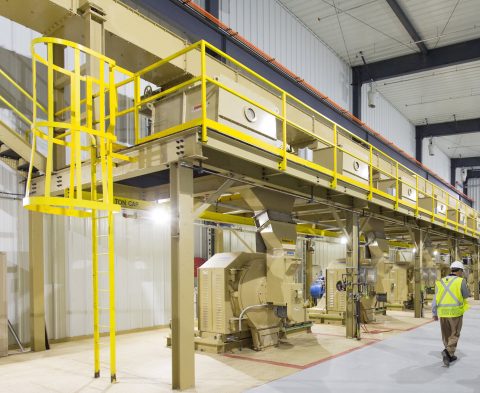
Inside a Pinnacle pellet mill

Inside a Pinnacle pellet mill

We already know Pinnacle well – it is one of our key suppliers and the company is a natural fit with Drax.

Our new colleagues have a wealth of operational and commercial expertise so I’m looking forward to seeing what we can achieve together.

We will benefit from Pinnacle’s scale, operational efficiency and low-cost fibre sourcing, that includes a high proportion of sawmill residues. In 2019, Pinnacle’s production cost was 20% lower than Drax’s.

Completing this deal will increase our annual production capacity to 4.9 million tonnes of sustainable biomass pellets at 17 plants in locations across Western Canada and the US South – up from 1.6Mt now.

It also expands our access to three major North American fibre baskets and four export facilities, giving us a large and geographically diversified asset base, which enhances our sourcing flexibility and security of supply.

This positions us well to take advantage of the global growth opportunities for sustainable biomass. The market for biomass wood pellets for renewable generation in Europe and Asia is expected to grow in the current decade, principally driven by demand in Asia.

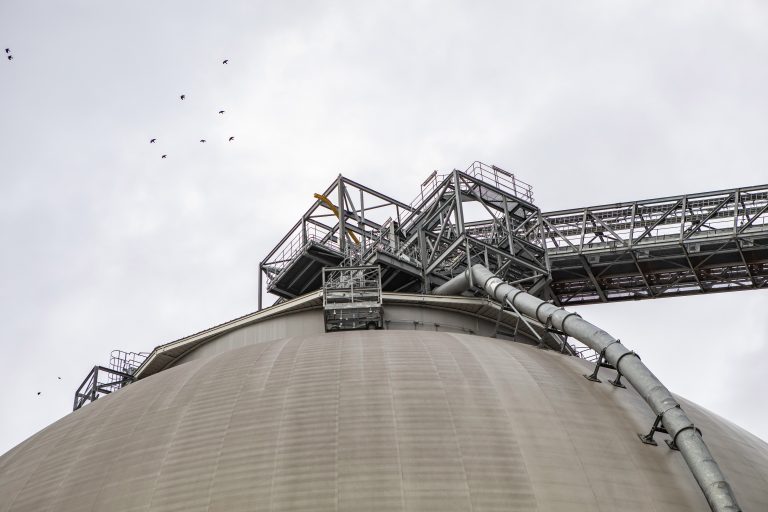
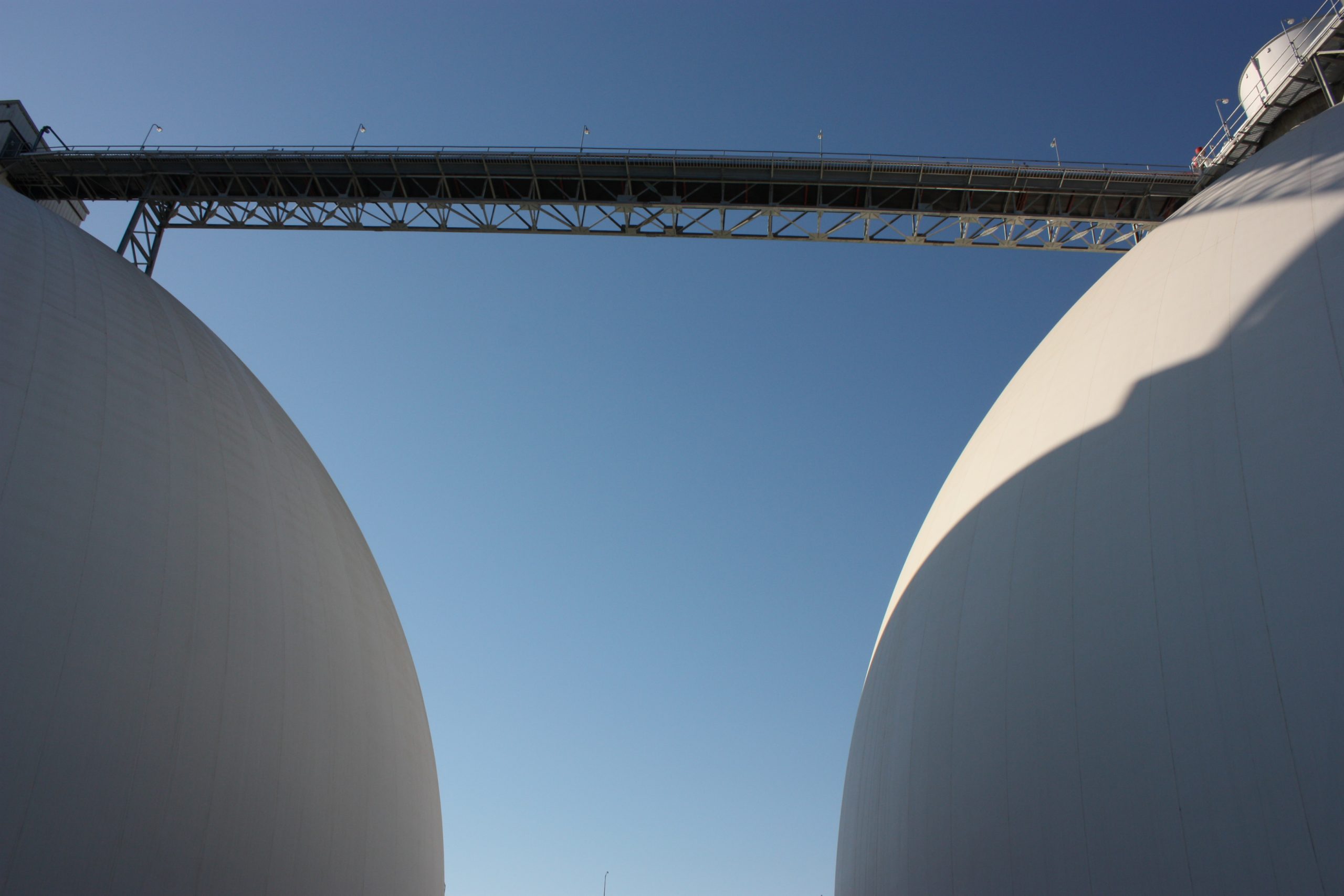
Biomass wood pellet storage dome, Drax Power Station

Biomass wood pellet storage dome, Drax Power Station

We believe that with increasingly ambitious global decarbonisation targets, the need for negative emissions and improved understanding of the role that sustainably sourced biomass can play, will result in continued robust demand.

Pinnacle is already a key supplier of wood pellets to other markets with C$6.7 billion of long-term contracts with high quality Asian and European customers, including Drax, and a significant volume contracted beyond 2027.

Drax aims to leverage Pinnacle’s trading capability across its expanded portfolio. We believe that the enlarged supply chain will provide greater opportunities to optimise the supply of biomass from its own assets and third-party suppliers.

The transport and shipping requirements of the enlarged company will provide further opportunities to optimise delivery logistics, helping to reduce distance, time, carbon footprint and cost.

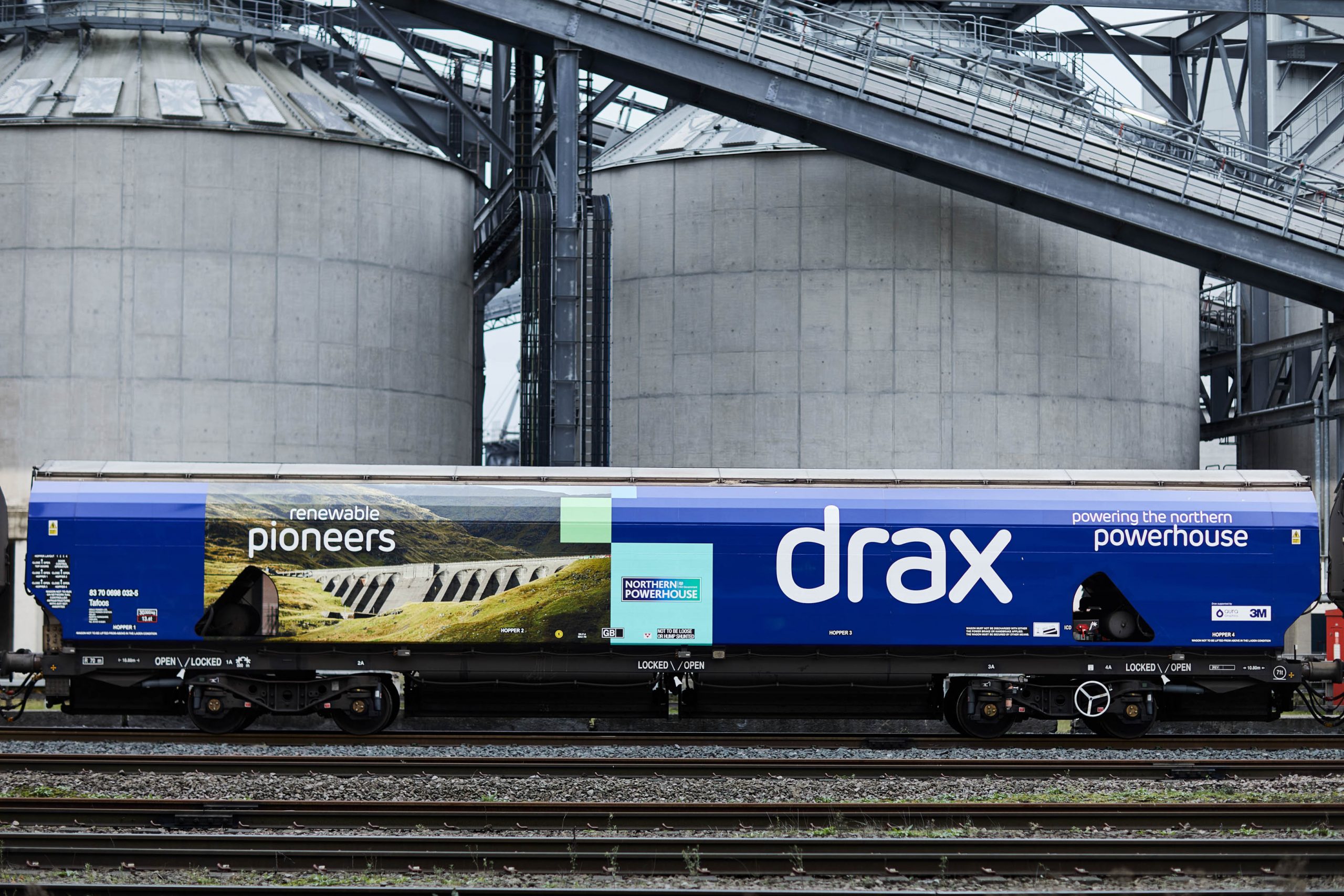
Train transporting biomass wood pellets arriving at Drax Power Station

Importantly – there will also be opportunities to share best practice and drive sustainability standards higher across the group.

We recognise that the forest landscape in British Columbia and Alberta is different to the commercially managed forests in the south eastern US where we currently operate.

In line with our world leading responsible sourcing policy, Drax will work closely with environmental groups, Indigenous First Nation communities and other stakeholders and invest to deliver good environmental, social and climate outcomes in Pinnacle’s sourcing areas.

We are determined to create a long-term future for sustainable biomass and deliver BECCS –  the negative emissions technology that will be needed around the world to meet global climate targets. The acquisition of Pinnacle takes us a big step forward in achieving our goals.


Read press release: Drax completes acquisition of Pinnacle Renewable Energy Inc.


In a crisis people come first

This crisis will be remembered for many things. Many are not positive, but some are inspiring. Around the world we’ve seen tremendous acts of kindness and witnessed remarkable resilience from people continuing to live, work and to support one another. The actions we are all taking as individuals, businesses and communities will not only help us get through this crisis, they will shape how we emerge from it.

At Drax we are proud of the ongoing role we’re playing in supporting the UK and its essential services, continuing to generate and supply the electricity needed to keep people healthy and the economy running.

It is what we have always done, and it is what we will continue to do.

This is possible because our people have continued to carry out their important work in these uncertain times safely and responsibly. My leadership team in the UK and US must continue to support them, and we must also support the communities they are a part of.

Employees Drax Power Station show their support and appreciation for the heroic efforts of those within the NHS by turning one of its cooling towers blue at 8pm each Thursday

Employees Drax Power Station show their support and appreciation for the heroic efforts of those within the NHS by turning one of its cooling towers blue at 8pm each Thursday

Our communities are at the core of what we do and who we are. They support our business globally and enable us to supply energy to the country. We have a responsibility to do what we can to help them through this crisis.

To do this we have put together a Covid-19 support package totalling more than three quarters of a million pounds that goes beyond just financing to make a positive impact. I’d like to highlight a few of these.

Supporting communities in Great Britain and the US

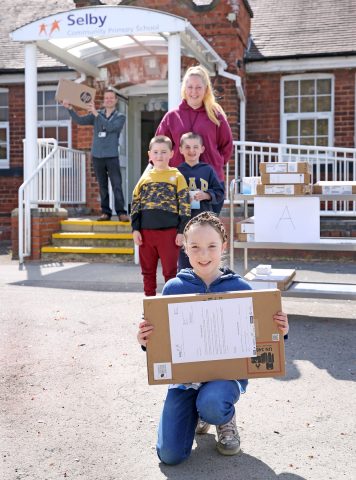
The Robinson family collect their laptop at Selby Community Primary School

The closures of schools and the need to turn homes into classrooms has been one of the biggest changes for many families. With children now depending on technology and the internet for schooling, there’s a very real chance those without access may fall behind, with a long term negative impact on their education.

We want to ensure no child is left out. So, we have donated £250,000 to buy 853 new laptops, each with three months of pre-paid internet access, and delivered them to schools and colleges local to our sites across the UK.

This has been implemented by Drax, working closely with headteachers. As one of our local heads Ian Clennan told us: “Schools don’t just provide education – they’re a whole support system. Having computers and internet access means pupils can keep in touch with their teachers and classmates more easily too – which is also incredibly important at the moment.”

In the US, we’re donating $30,000 to support hardship funds for the communities where we operate. Our colleagues in Louisiana are playing an active role in the community, and in Amite County, Mississippi, they have helped provide PPE to first responders as well as supporting charities for the families worse affected.

Helping businesses, starting with the most vulnerable

As an energy supplier to small and medium sized businesses (SMEs), we must act with compassion and be ready to help those who are most economically exposed to the crisis. To do this, we are launching a number of initiatives to support businesses, starting with some of the most vulnerable.

It’s clear that care homes require extra support at this time. We are offering energy bill relief for more than 170 small care homes situated near our UK operations for the next two months, allowing them to divert funds to their other priorities such as PPE, food or carer accommodation.

But it is also important we understand how difficult a period this is for small businesses of all kinds. Many of our customers are facing financial pressure that was impossible to forecast. To help relieve this, we have agreed deferred payment plans with some of our customers who are unable to pay in full. We have also extended current energy prices for three months for 4,000 customers of Opus Energy who have not been able to secure a new contract during this period.

The impact of this crisis will be long term, so we made a significant, two-year charitable donation to Business Debtline. A dedicated phoneline and webpage will be provided to our small businesses customers, offering free debt advice and helping them to recover for the future.

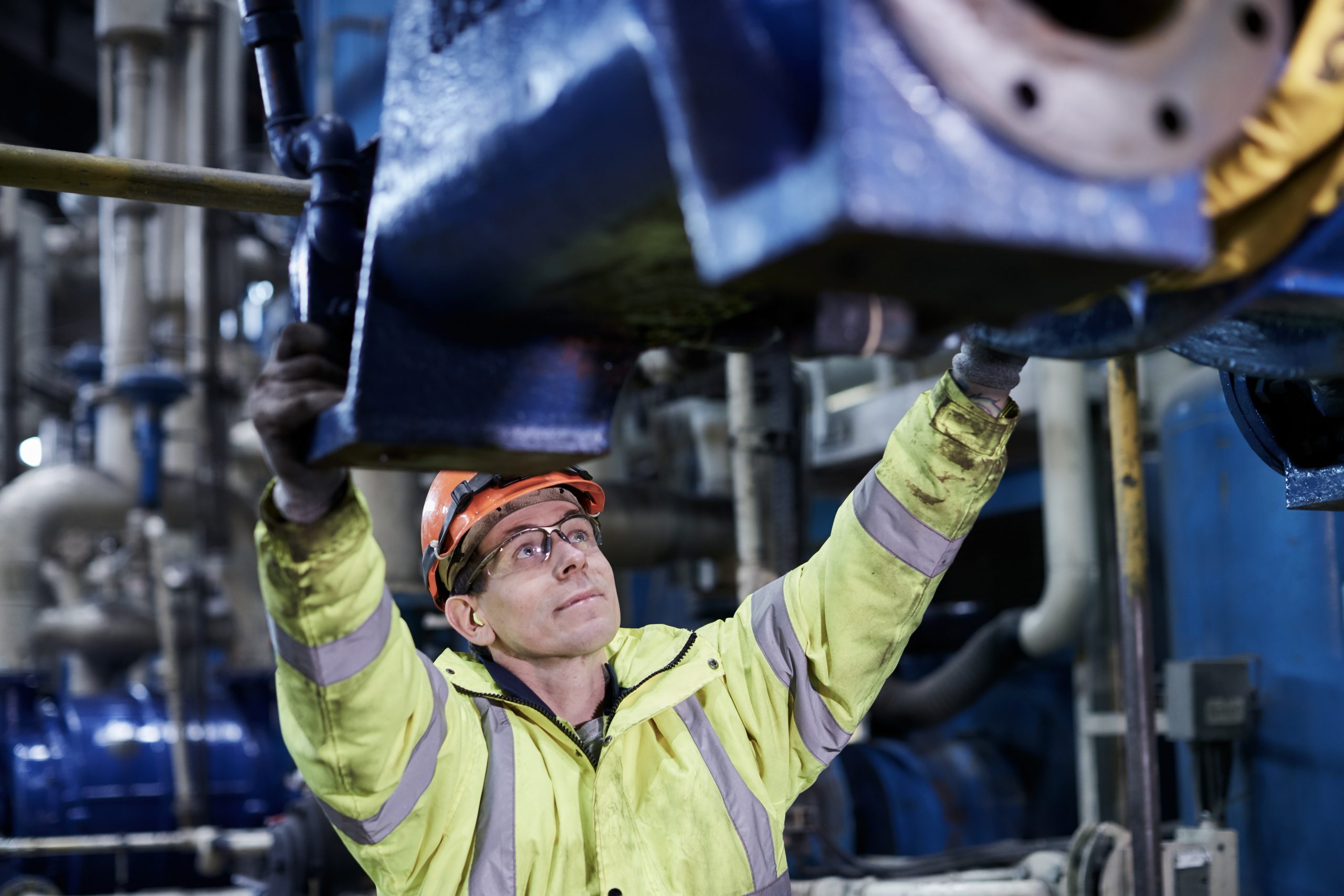
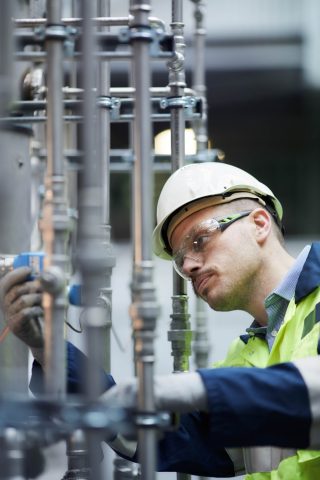
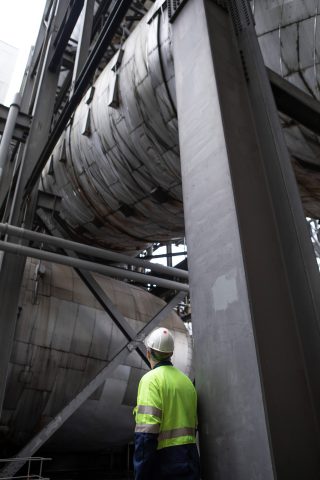
An engineer looks up at flue gas desulphurisation unit (FGD) at Drax Power Station. The massive pipe would transport flue gas from the Drax boilers to the carbon capture and storage (CCS) plant for CO<sub>2</sub> removal of between 90-95%.

An engineer looks up at flue gas desulphurisation unit (FGD) at Drax Power Station. The massive pipe would transport flue gas from the Drax boilers to the carbon capture and storage (CCS) plant for CO2 removal of between 90-95%.

Change for the future recovery

While there is still uncertainty around how the UK, the US and the world will emerge from the pandemic it is the responsibility of the whole energy industry to show compassion for its customers and to take the actions needed to soften the economic blow that Covid-19 is having across the globe.

The disruption to normal life caused by the pandemic has changed how the country uses electricity overnight. In the coming weeks we will be publishing a more in-depth view from Electric Insights showing exactly what effect this has had and what it might reveal for the future of energy.

No matter what that future holds, however, we will remain committed to enabling a zero carbon, lower cost energy future. This will mean not only supporting our people, our communities and our countries through the coronavirus crisis, but striving for a bright and optimistic future beyond it. A future where people’s immediate health, safety and economic wellbeing are prioritised alongside solutions to another crisis – that of climate change.