





At Drax , we’re committed to fair and transparent pay practices.

What’s our Gender Pay Gap?
Hourly Pay (2024):
- The mean hourly pay gap at Drax Canada is essentially zero.
- This shows that men and women earn around the same average hourly rate for equal work.
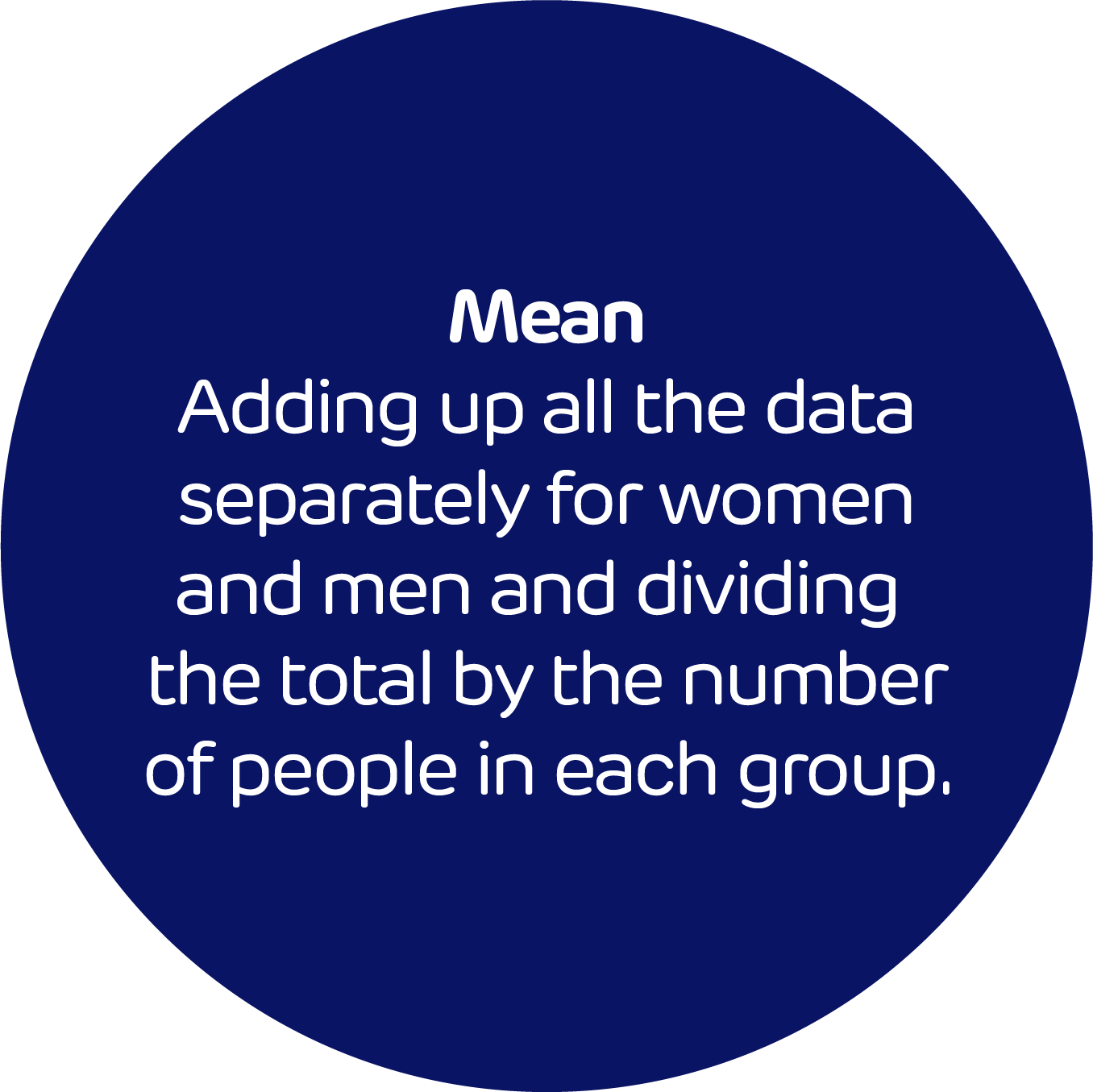
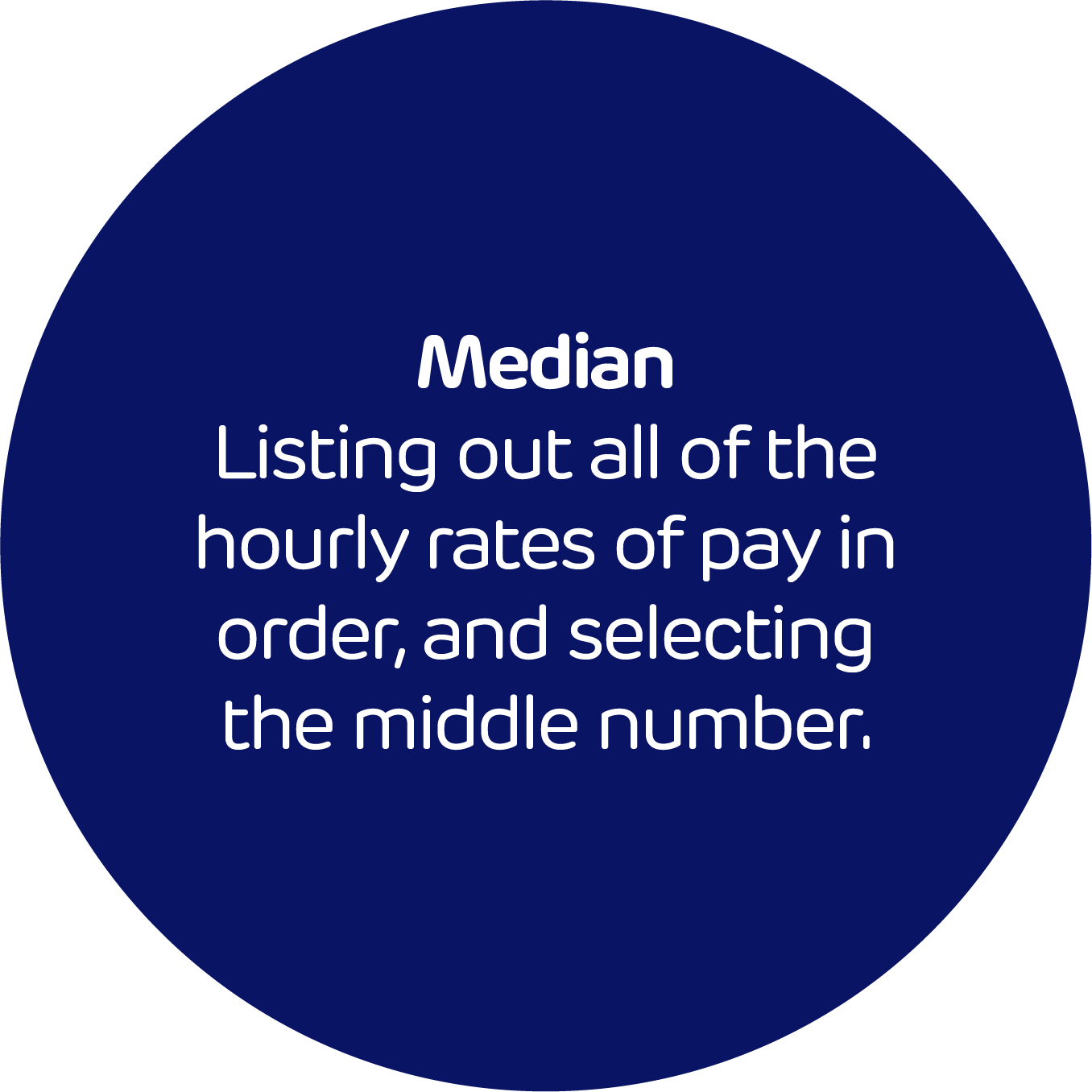
- However, in some cases, women’s average hourly wages are 1% less than men’s. For every dollar men earn in average hourly wages, women earn 99 cents in average hourly wages. Additionally, women’s median hourly wages are 6% less than men’s. For every dollar men earn in median hourly wages, women earn 94 cents in median hourly wages.
Overtime Pay (2024):
- A gap appears because overtime is linked to role type.
- Within Drax, women earn 86 cents on the dollar in average overtime pay and 76 cents in median overtime pay compared to men, largely reflecting differences in overtime hours worked—where the average is the same, but the median is five hours fewer for women. Women are more often in salaried roles, which don’t include overtime.
- A gap appears because overtime is linked to role type – women are more often in salaried roles, which don’t include overtime. Men are more often in hourly operational roles, where overtime is frequent and sometimes paid at higher rates under averaging agreements.
- Societal factors also play a role – men are statistically more likely to work overtime.
Bonus Pay
Bonus eligibility depends on career level and role type. Data from 2024 shows the following:
- Within Drax, women earn slightly more than men in bonus pay—$1.03 on the dollar in average bonus pay and $1.31 in median bonus pay—reflecting strong performance and representation in bonus-eligible roles.
- Hourly workers have smaller, level-based bonus targets. Office-based and leadership roles carry higher bonus opportunities, with a very small number eligible for long-term incentives.
- Because our Canadian workforce is 79% men and 21% women, averages are skewed by representation. Still, some of our highest-paid colleagues are women, meaning bonus outcomes vary by level rather than gender.
Representation by Career Level
- Senior roles (CL0–3): 21% women
- Mid-level roles (CL4–5): 18% women
- Entry-level roles (CL6+): 34% women
Women occupy 20% of the highest-paid jobs and 25% of the lowest-paid jobs. This reflects industry-wide patterns but also shows us where we can grow.
We’re proud of our progress, but we know there’s more to do, especially in increasing female representation in mid- and senior-level roles. Pay equity is part of our culture, and we will continue to share our progress openly.