

Tag: forestry and forest management and arboriculture

What is biomass?

Illustration of a working forest supplying biomass

What is biomass?

In ecological terms, biomass refers to any type of organic matter. When it comes to energy, biomass is any organic matter that can be used to generate energy, for example wood, forest residues or plant materials.

How is biomass used?  

Biomass used and combusted for energy can come in a number of different forms, ranging from compressed wood pellets – which are used in power stations that have upgraded from coal – to biogas and biofuels, a liquid fuel that can be used to replace fossil fuels in transport.

The term biomass also refers to any type of organic material used for energy in domestic settings, for example wood burned in wood stoves and wood pellets used in domestic biomass boilers.

Biomass is organic matter like wood, forest residues or plant material, that is used to generate energy.

Where does biomass come from?

Biomass can be produced from different sources including agricultural or forestry residues, dedicated energy crops or waste products such as uneaten food.

Drax Power Station uses compressed wood pellets sourced from sustainably managed working forests in the US, Canada, Europe and Brazil, and are largely made up of low-grade wood produced as a byproduct of the production and processing of higher value wood products, like lumber and furniture.

Biomass producers and users must meet a range of stringent measures for their biomass to be certified as sustainable and responsibly sourced.
Key biomass facts

Is biomass renewable?

 Biomass grown through sustainable means is classified as a renewable source of energy because of the process of its growth. As biomass comes from organic, living matter, it grows naturally, absorbing carbon dioxide (CO2) from the atmosphere in the process.

It means when biomass is combusted as a source of energy – for example for heat or electricity production – the CO2 released is offset by the amount of CO2 it absorbed from the atmosphere while it was growing.

Fast facts

  • In 2019 biomass accounted for 6% of Great Britain’s electricity generation, more than 1/6 of the total generation of all renewable sources
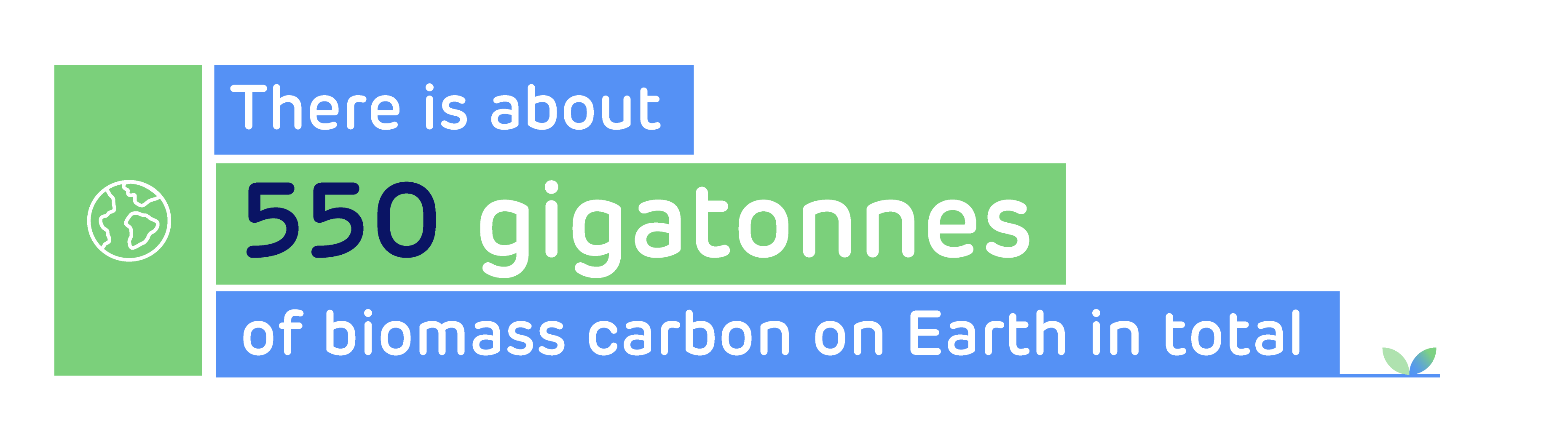
  • There is about 550 gigatonnes of biomass carbon on Earth in total. Humans make up around 1/10,000th of that mass.
  • Modern biomass was first developed as an alternative for oil after its price spiked as a result of the 1973 Yom Kippur War
  • The International Energy Agency (IEA) estimates bioenergy accounts for roughly 1/10th of the world’s total energy supply

Biomass is a renewable, sustainable form of energy used around the world.

How long has biomass been used as a source of energy?

Biomass has been used as a source of energy for as long as humans have been creating fire. Early humans using wood, plants or animal dung to make fire were all creating biomass energy.

Today biomass in the form of wood and wood products remains a widely used energy source for many countries around the world – both for domestic consumption and at grid scale through power stations, where it’s often used to replace fossil fuels with much higher lifecycle carbon emissions.

Drax Power Station has been using compressed wood pellets (a form of biomass) since 2003, when it began research and development work co-firing it with coal. It fully converted its first full generating unit to run only on compressed wood pellets in 2013, lowering the carbon footprint of the electricity it produced by more than 80% across the renewable fuel’s lifecycle. Today the power station runs mostly on sustainable biomass.

Go deeper

Read next: What is reforestation and afforestation?

Forestry 4.0

Around the world industries are undergoing profound change. The phrase ‘Industry 4.0’ describes this emerging era when the combination of data and automation is transforming long-established practices and business models.

Autonomous cars are perhaps one of most widely-known examples of ‘smart’ technology slowly inching towards daily life, but they are far from the only example. There is almost no sector untouched by this oncoming digital disruption – even industries as old as forestry are being transformed.

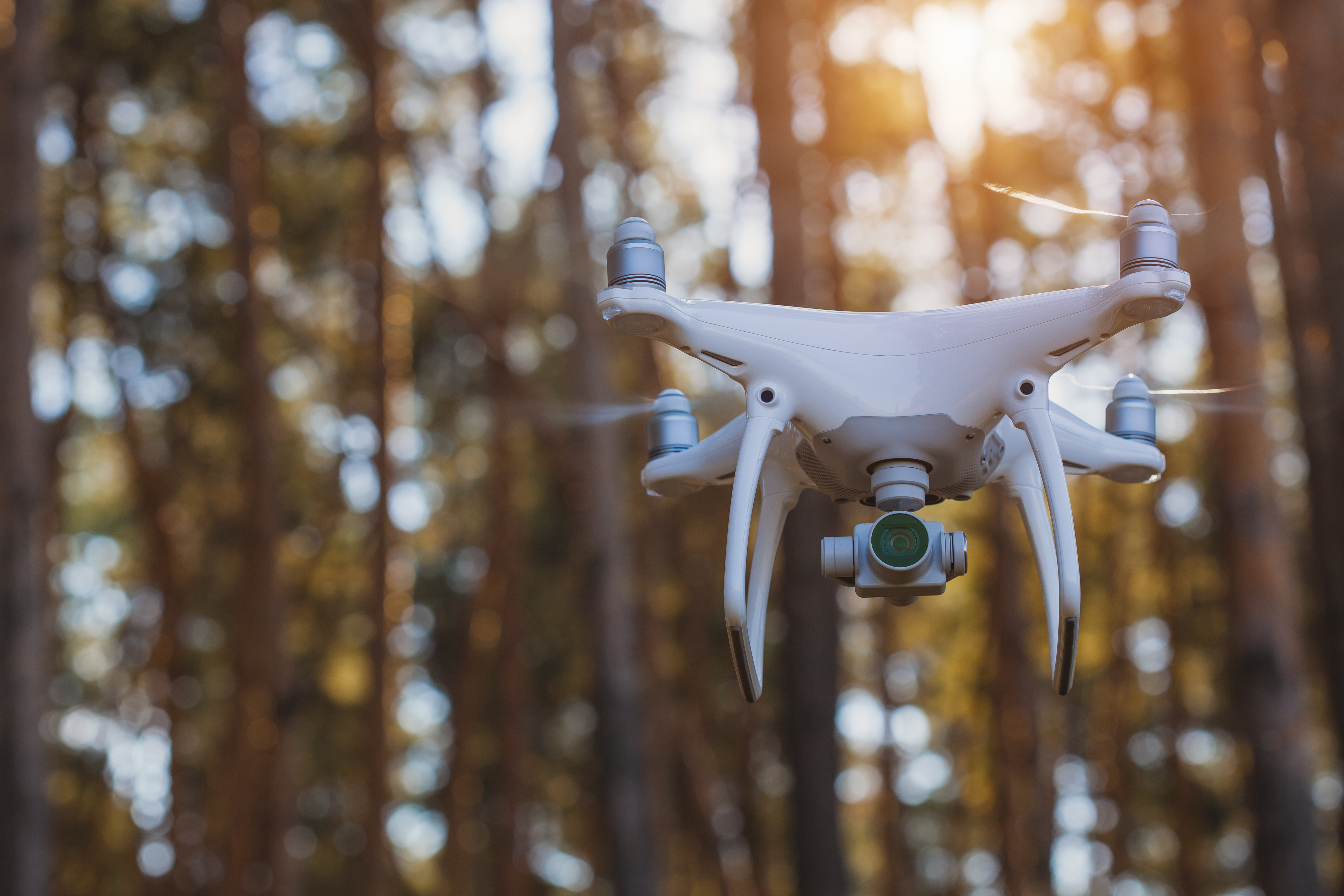
From smart and self-driving vehicles to data-crunching drones, Forestry 4.0 is ushering in a new era for efficient and sustainable forest management.

Drones and data

If the first industrial revolution was powered by steam, the fourth is being powered by data. Collecting information on every aspect of a process allows smart devices and machines to cut out inefficiencies and optimise a task.

In forestry, capturing and utilising huge amounts of data can build a better understanding of the land and trees that make up forests. One of the best ways to gather this data from wide, complex landscapes is through aerial imaging.

Satellites have long been used to monitor the changing nature of the world’s terrain and in 2021, the European Space Agency plans to use radar in orbit to weigh and monitor the weight of earth’s forests. But with the rise of drones, aerial imagining technology is becoming more widely accessible. Now even small-scale farmers and foresters can take a birds-eye view of their land.

Oxford-based company BioCarbon Engineering focuses on replanting areas of forests. It utilises drone technology to scan environments and identify features such as obstacles and terrain types which it uses to design and optimise planting patterns.

A drone then follows this path roughly three to six feet off the ground, shooting biodegradable seed pods into the ground every six seconds along the way. BioCarbon claims this approach can allow it to plant as many as 100,000 trees in a single day.

Gathering data on the health of working forests doesn’t necessarily require cutting-edge equipment either. In the smartphone era, any forestry professional now has the computing power in their pocket to capture detailed information about a forest’s condition.

Mobile app MOTI was designed by researchers at the School of Agricultural, Forest and Food Sciences at the Bern University of Applied Sciences in Switzerland. It allows users to scan an area of forest with a phone’s camera and receive calculated-estimates on variables such as trees per hectare, tree heights and the basal area (land occupied by tree trunks).

Automating the harvest

Capturing data from forests can play a huge part in developing a better understanding of the land, terrain and trees of working forests, which leads to better decision making for healthier forests, including how and when to harvest and thin. But the equipment and technology carrying out these tasks on the ground are also undergoing smart-tech transformations.

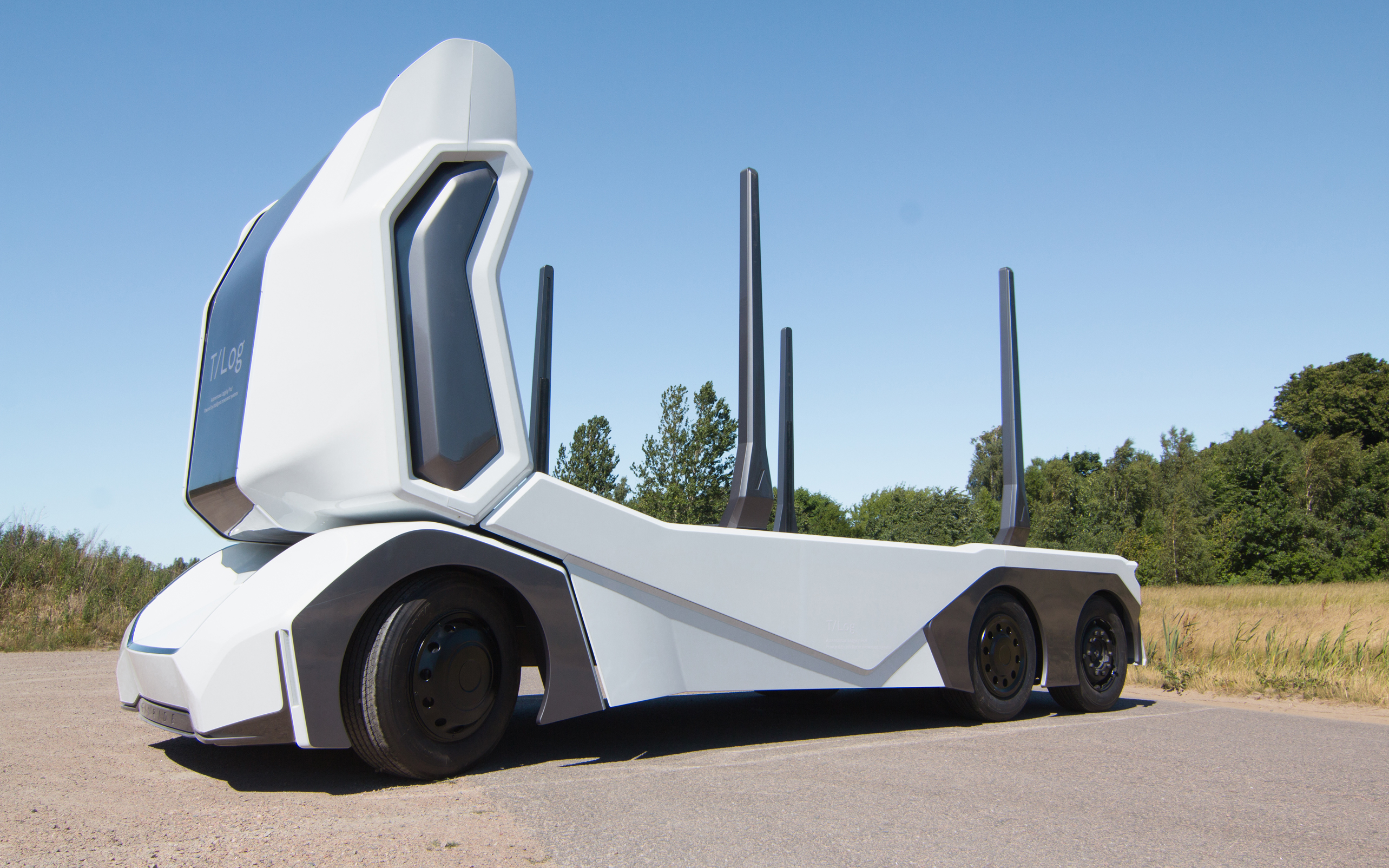
Self-driving and electric vehicles are expected to disrupt multiple industries, including forestry. Swedish startup Einride, recently unveiled a driverless, fully electric truck that can haul as much as 16-tonnes of lumber and is specially designed for off-road, often unmapped, terrain.

There are some pieces of equipment, however, that will be harder to fully automate – for example, harvesters, which are used to fell and remove trees. Their long, digger-like arm normally features a head consisting of a chainsaw, claw-grips and rollers all in one, which are controlled from the vehicle’s cab.

Even as image recognition and sensors improve, automating these types of machines entirely is hugely challenging. An ideal use of artificial intelligence (AI) would be enabling a harvester to identify trees of a particular age or species to remove as part of thinning, for example, without disturbing the rest of the forest. However, trees of the same species and age can differ from each other depending on factors such as regional climates, soil and even lighting at the time of analysis.

This makes programming a machine to harvest a specific species and age of tree is very difficult. Nevertheless, innovation such as intelligent boom control – as John Deere is exploring – can help human operators automate movements and make harvesting safer and more efficient.

Forestry has always changed as technology has advanced – from the invention of the axe to the incorporation of ecology – and the digital revolution is no different. Smart sensors and deeper data will, ultimately, help optimise the lifecycle, biodiversity and health of managed forests.

With thanks to the Institute of Chartered Foresters for inviting us to attend its 2018 National Conference in May – Innovation for Change: New drivers for tomorrow’s forestry.