


Constant, tireless action
The principles and targets of our Sustainability Framework, which aims to deliver positive outcomes for nature, people and climate globally, apply to our operations in Canada.
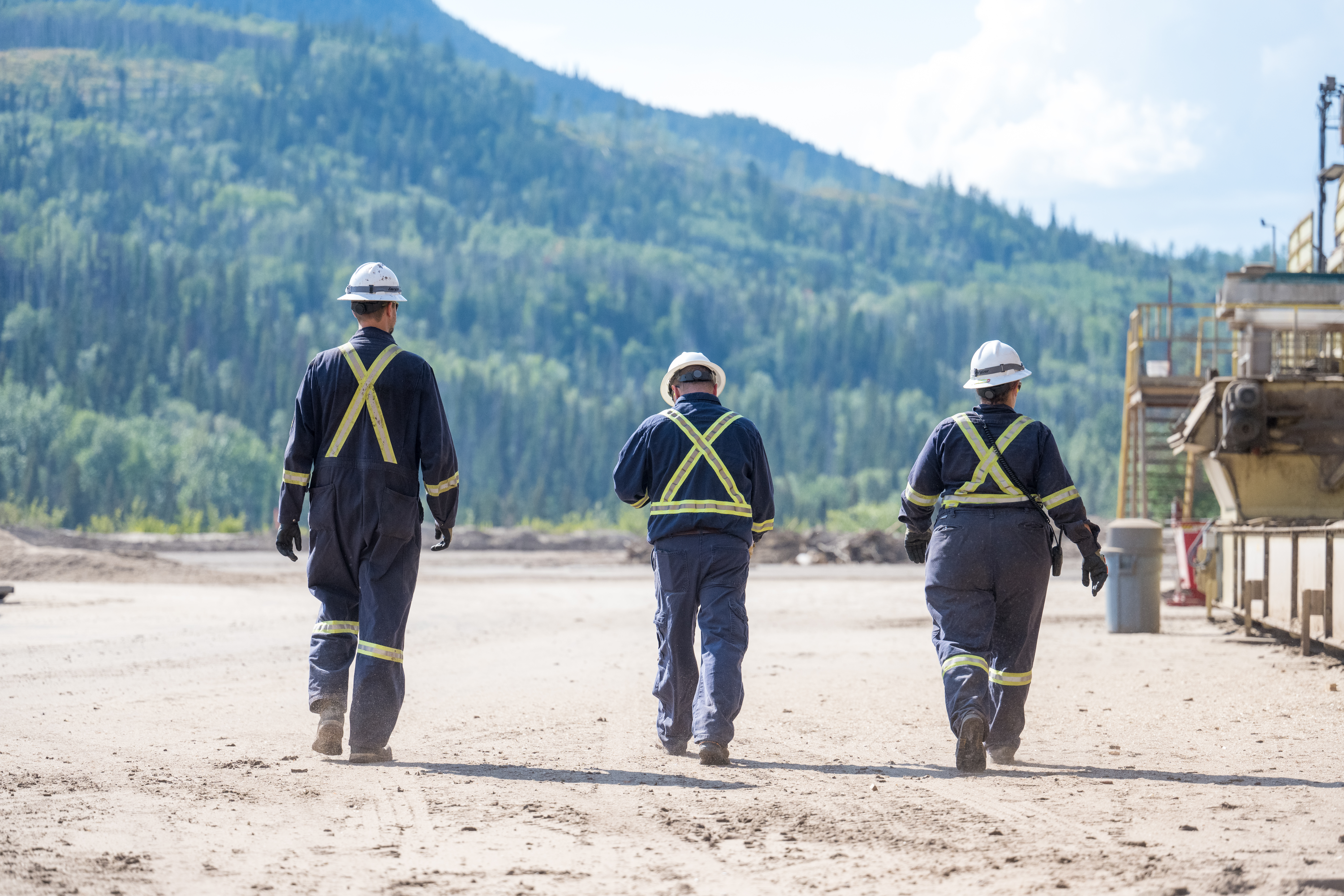
Our nine Canadian pellet production plants follow strict sourcing criteria for the biomass they use – we safeguard our wood sourcing by abiding by the certifications and accreditations applicable to each of the territories and applying our biomass sourcing policy to all biomass we source.
Positive outcomes
Our Sustainability Framework sets out our 26 time-bound targets – and the related actions we’re taking – grouped into three pillars:

Publishing this Framework demonstrates transparency in our plans, processes and operations.
Responsible sourcing
At Drax, we’re committed to ensuring the woody biomass we source comes from well-managed, sustainable forests that promote forest health or reduce the risk of fire or disease.
In Canada, around 94% of the forests are publicly owned and there’s a legal mandate to ensure reforestation takes place on public land.
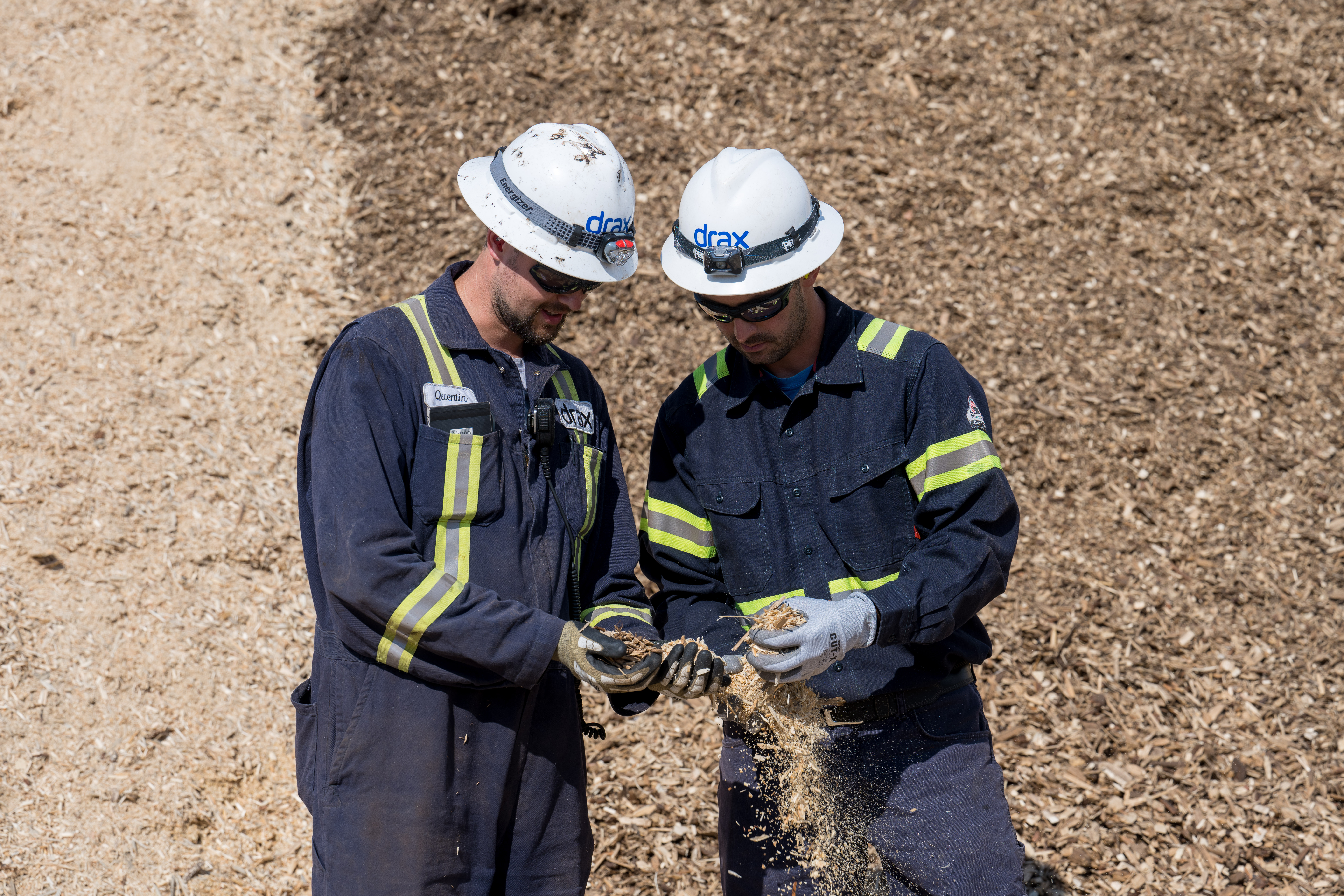
In Canada, 81% of our fibre comes from sawdust and other sawmill residues created during the production of wooden materials for use in construction and other industries. The remaining 19% of our fibre comes from forest residues including low-grade roundwood, tops, branches and bark. By sourcing low-grade forest residuals, we support the Forest Carbon Initiative that the Province of British Columbia established in partnership with Forests For Tomorrow (FFT).
Without a market for the low-grade woody fibre from forests, this material may be burnt on site at sawmills or discarded in piles within the forest. Known as slash, the piles contain the woody debris and timber that’s damaged or otherwise unsuitable for lumber mills. Burning residues or slash doesn’t deliver good climate outcomes, or favourable economic outcomes.

Updated February 2026